



Chain blocks, encompassing a wide array of lifting and hoisting solutions, are fundamentally important to modern industry and infrastructure. These mechanisms, ranging from simple manual chain blocks to complex electric or pneumatic versions, provide controlled lifting capabilities crucial for construction, manufacturing, and maintenance activities globally. Understanding the different types of chain block is paramount for safety, efficiency, and cost-effectiveness in a multitude of applications.
The global demand for efficient and reliable lifting equipment is constantly increasing, fueled by rapid urbanization, infrastructure development, and a growing manufacturing sector, particularly in emerging economies. According to the World Bank, global infrastructure spending is projected to reach $94 trillion by 2040, heavily relying on effective material handling technologies like chain blocks. This creates a significant opportunity for innovation and refinement in the various types of chain block available.
A key challenge addressed by understanding the diverse selection of chain blocks is ensuring the right tool is selected for the job. Incorrectly specified equipment can lead to accidents, delays, and increased operational costs. Moreover, the need for standardized safety protocols and adherence to ISO regulations (like ISO 9001 for quality management) further emphasizes the importance of informed decision-making regarding these critical lifting devices.
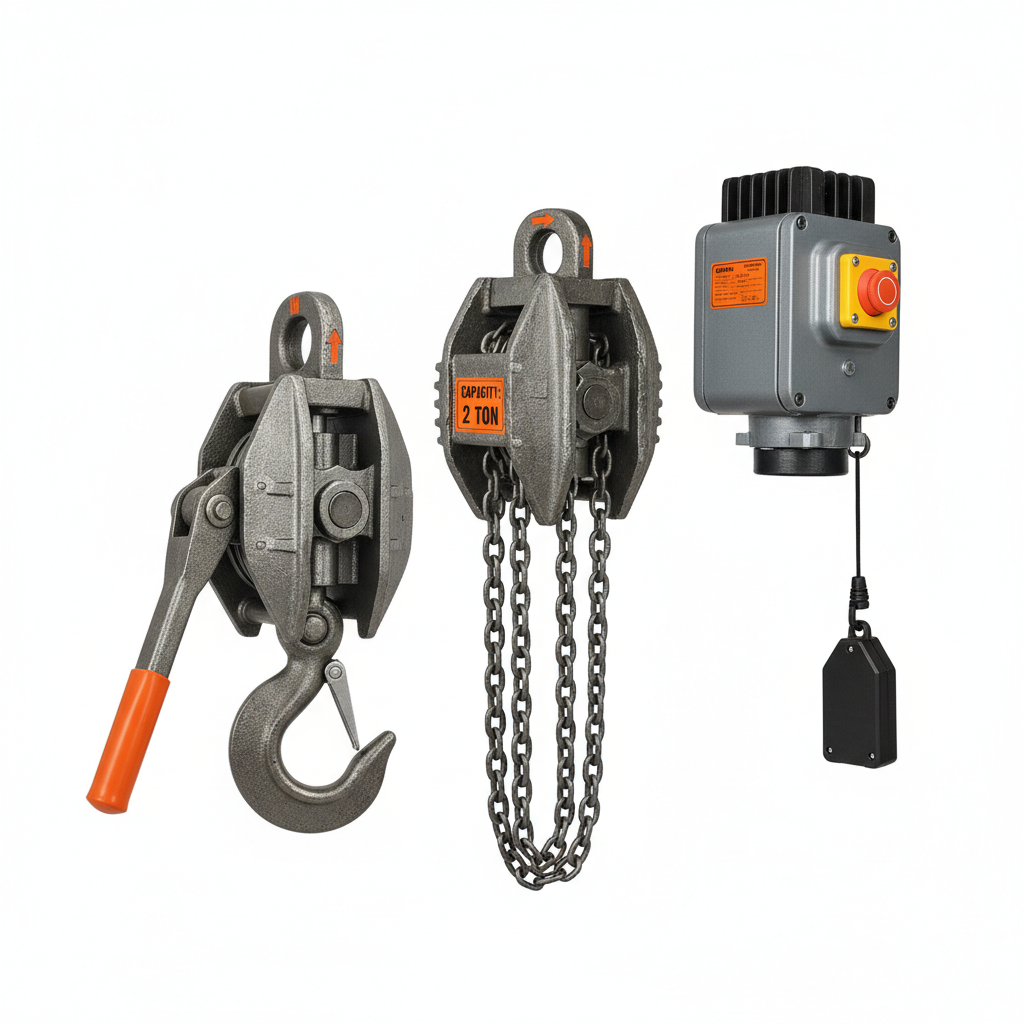
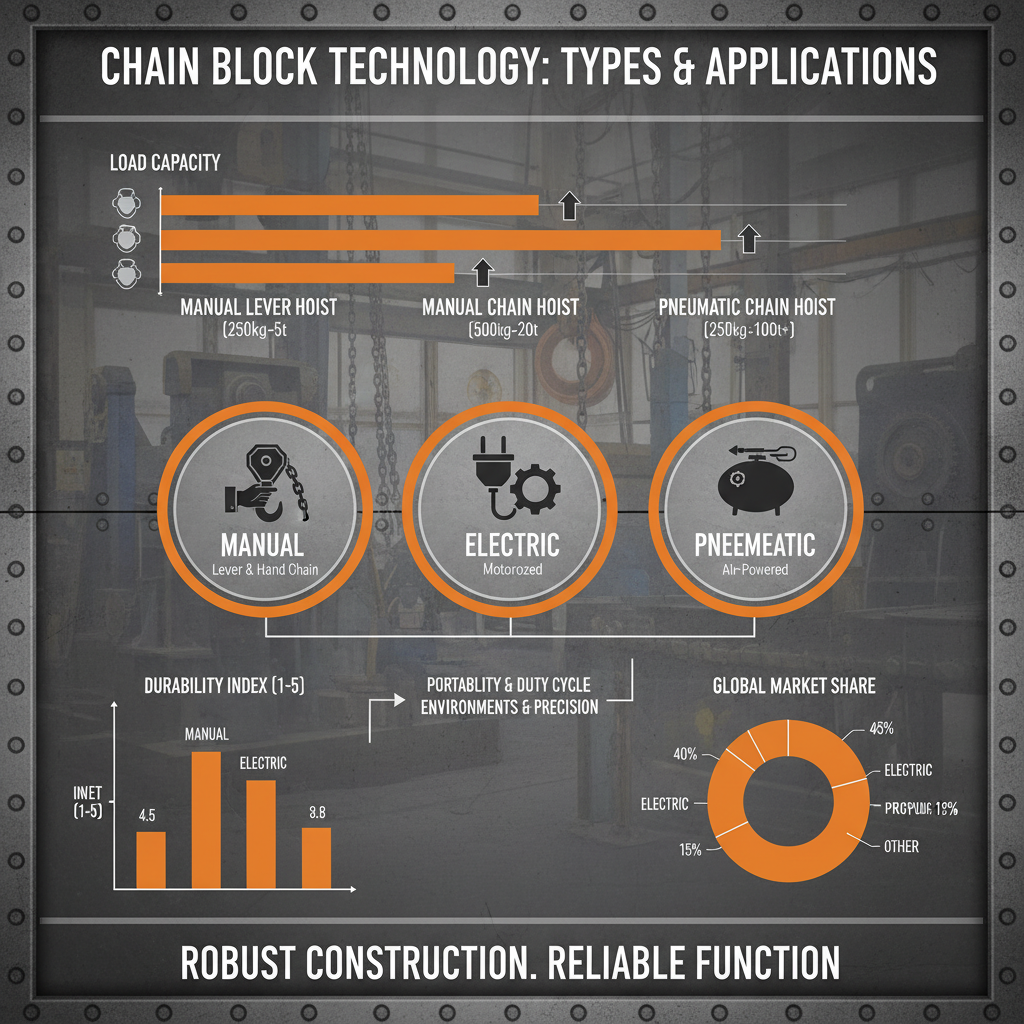
The term “types of chain block” doesn’t simply refer to different brands; it encompasses a diverse range of designs and functionalities tailored to specific lifting needs. From the manually operated chain blocks common in workshops to the more sophisticated electric or air-powered versions used in heavy industry, each variation offers unique advantages and limitations. Choosing the correct type of chain block is critical for both safety and operational efficiency.
A proper understanding facilitates informed decisions about load capacity, lifting height, and the overall work environment, preventing potential accidents and maximizing productivity. Different types of chain block have unique maintenance requirements as well, which understanding impacts long-term costs.
Manual chain blocks rely on human power for operation, making them cost-effective for light-duty applications and areas without electricity. Electric chain blocks, powered by a motor, provide faster lifting speeds and require less physical effort, making them suitable for heavy loads and continuous use. The selection depends on the load weight, frequency of use, and available power source. A careful assessment of these factors will determine the most appropriate types of chain block for the specific task.
Chain blocks should be inspected regularly, ideally before each use, for any signs of damage, wear, or malfunction. A thorough annual inspection by a qualified professional is also recommended. Maintenance includes lubricating moving parts, checking the chain for wear, and inspecting the lifting hook for cracks or deformation. Proper maintenance ensures safe operation and extends the lifespan of the types of chain block.
Always ensure the chain block is properly secured and rated for the load weight. Never exceed the specified lifting capacity. Keep the load balanced and avoid sudden movements. Ensure the area below the load is clear of personnel. Use appropriate personal protective equipment (PPE), such as gloves and safety glasses. Thorough training on the correct operation of the types of chain block is essential for all operators.
Geared chain blocks offer increased mechanical advantage, requiring less pulling force to lift heavy loads. This makes them ideal for applications where manual lifting is challenging or where operators have limited strength. They provide precise control and are particularly useful in situations where slow, controlled lifting is required. They represent one of the specialized types of chain block designed for specific applications.
Extreme temperatures, humidity, and corrosive environments can significantly impact chain block performance. Cold temperatures can make the chain brittle, while humidity can lead to corrosion. In corrosive environments, specialized chain blocks with corrosion-resistant coatings are necessary. Regularly cleaning and lubricating the chain block, as well as storing it in a dry environment, can mitigate these effects and ensure the longevity of the types of chain block.
The chain length determines the maximum lifting height and influences the efficiency of the lifting operation. A chain that is too short will restrict the lifting range, while a chain that is too long can be cumbersome and pose a safety hazard. It’s crucial to select a chain length that is appropriate for the intended application, considering the lifting height required and the surrounding workspace. Considering the correct chain length is a vital step in selecting from the available types of chain block.
Understanding the diverse types of chain block is critical for ensuring safety, efficiency, and cost-effectiveness in a wide range of industries. From manual to electric and pneumatic models, each variation offers unique advantages and limitations. By carefully considering factors such as lifting capacity, scalability, durability, and operating environment, users can select the optimal chain block for their specific needs, minimizing risks and maximizing productivity.
Looking ahead, innovation in chain block technology, driven by IoT integration, advanced materials, and automation, promises to further enhance performance, safety, and sustainability. Investing in high-quality chain blocks, coupled with proper training and maintenance, is a strategic decision that delivers long-term value and contributes to a safer, more efficient, and more sustainable future.



 Afrikaans
 Albanian
 Amharic
 Arabic
 Armenian
 Azerbaijani
 Basque
 Belarusian
 Bengali
 Bosnian
 Bulgarian
 Catalan
 Cebuano
 China
China
 China (Taiwan)
 Corsican
 Croatian
 Czech
Czech
 Danish
 Dutch
Dutch
 Esperanto
 Estonian
 Finnish
 French
 Frisian
 Galician
 Georgian
 German
 Greek
Greek
 Gujarati
 Haitian Creole
 Hausa
Hausa
 Hawaiian
 Hebrew
 Hindi
Hindi
 Miao
Miao
 Hungarian
 Icelandic
 Igbo
Igbo
 Indonesian
 Irish
Irish
 Italian
 Japanese
 Javanese
 Kannada
 Kazakh
 Khmer
Khmer
 Rwandese
 Korean
 Kurdish
 Kyrgyz
 Lao
Lao
 Latin
Latin
 Latvian
 Lithuanian
 Luxembourgish
 Macedonian
 Malgashi
 Malay
Malay
 Malayalam
 Maltese
 Maori
Maori
 Marathi
 Mongolian
 Myanmar
 Nepali
 Norwegian
 Norwegian
 Occitan
 Pashto
 Persian
 Polish
 Portuguese
 Punjabi
 Romanian
 Russian
 Samoan
 Scottish Gaelic
 Serbian
 Sesotho
 Shona
Shona
 Sindhi
 Sinhala
 Slovak
 Slovenian
 Somali
 Spanish
 Sundanese
 Swahili
 Swedish
 Tagalog
 Tajik
Tajik
 Tamil
Tamil
 Tatar
Tatar
 Telugu
 Thai
Thai
 Turkish
 Turkmen
 Ukrainian
 Urdu
Urdu
 Uighur
 Uzbek
Uzbek
 Vietnamese
 Welsh
Welsh
 Bantu
Bantu
 Yiddish
 Yoruba
 Zulu
Zulu
 English