

Pallet trucks, essential pieces of material handling equipment, are integral to modern supply chains globally. From bustling warehouses to efficient loading docks, these devices facilitate the movement of palletized goods, dramatically increasing productivity and reducing labor costs. Understanding the diverse types of pallet truck available – from simple hand jacks to sophisticated powered models – is crucial for optimizing logistics and ensuring safe and efficient operations. This knowledge impacts businesses of all sizes, contributing to smoother workflows and ultimately, greater profitability.
The global demand for pallet trucks is closely linked to economic growth and the expansion of international trade. According to statistics from the World Bank, global trade volume continues to rise, creating a greater need for efficient material handling solutions. The International Organization for Standardization (ISO) sets standards for pallet sizes and materials, further influencing the design and adoption of pallet trucks. A key challenge remains the need for adaptable and cost-effective solutions that can meet the evolving demands of various industries.
Pallet trucks are vital not only in commercial settings but also in humanitarian aid and disaster relief efforts. Their ability to quickly and efficiently move supplies in challenging environments makes them indispensable for organizations responding to emergencies. The selection of the appropriate types of pallet truck can be the difference between timely assistance and significant delays in delivering essential resources.
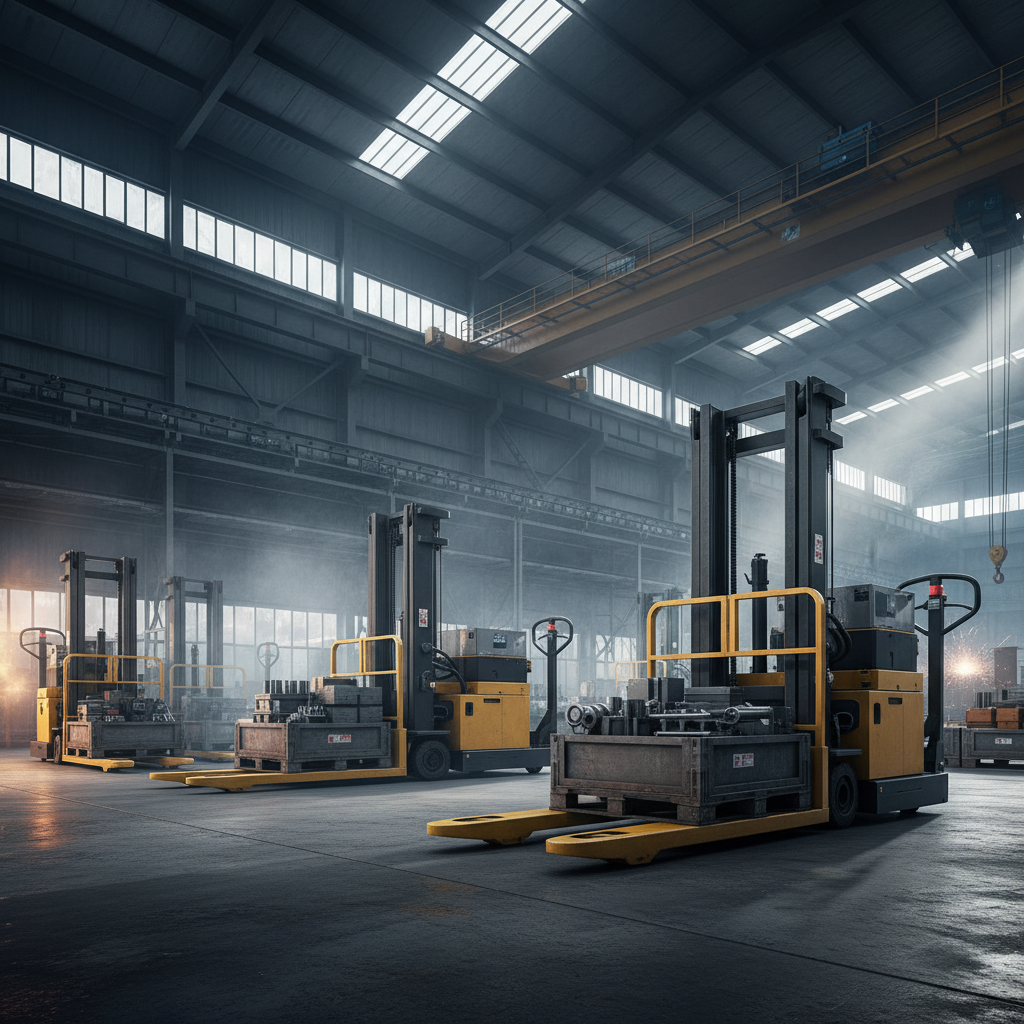
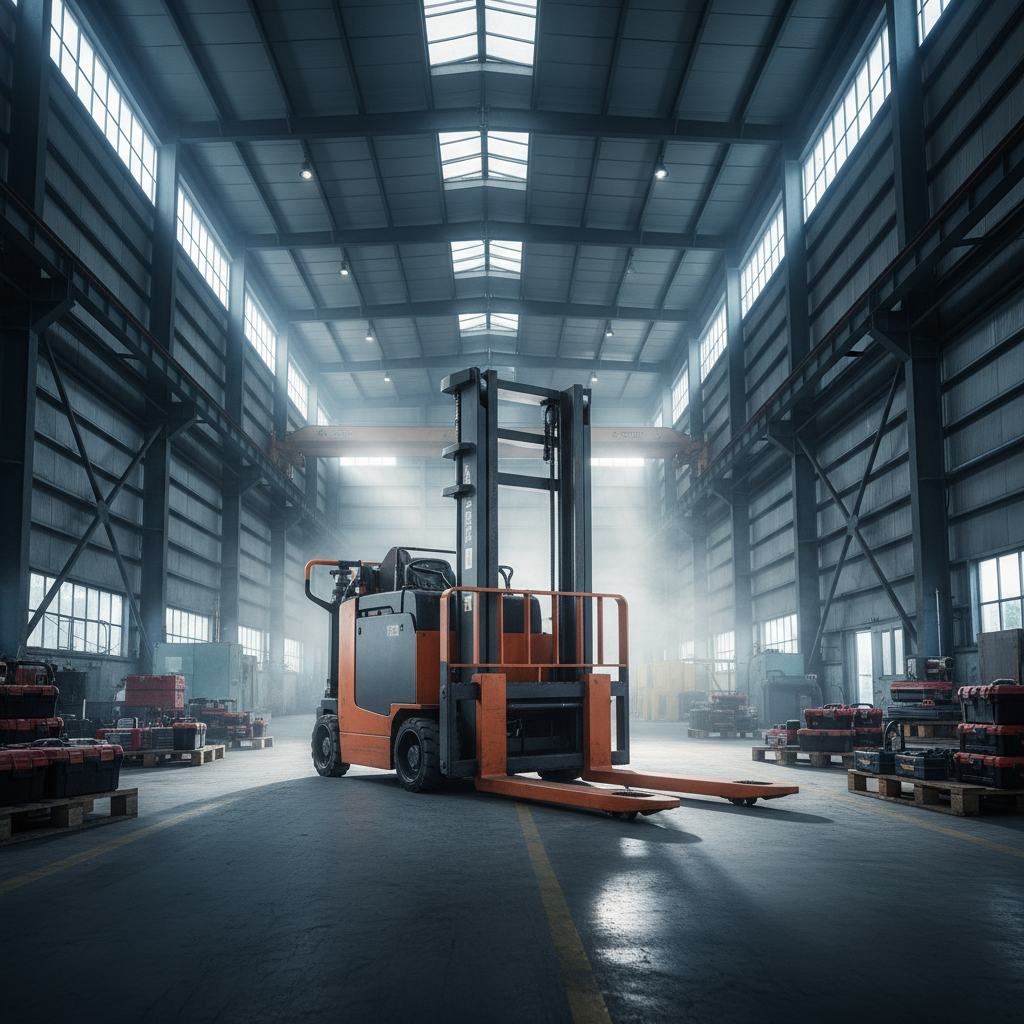
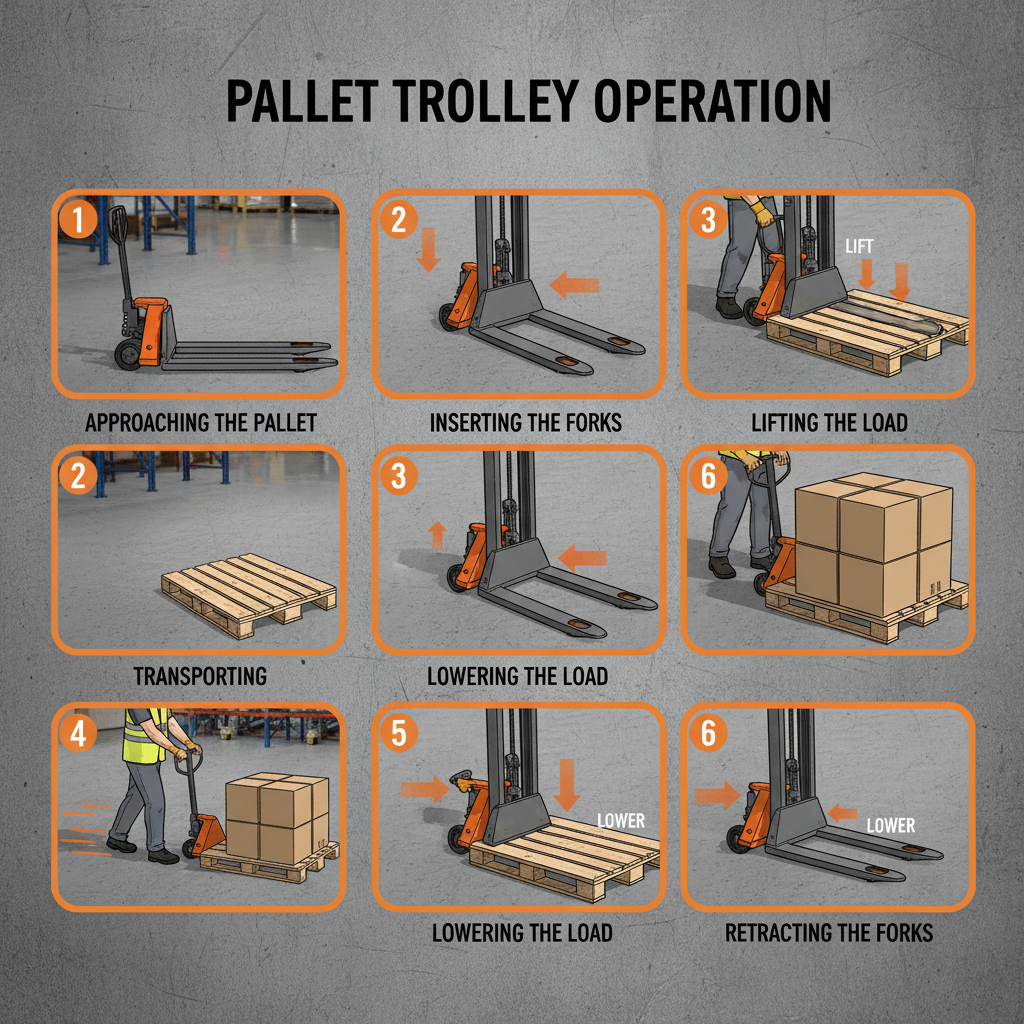
There's a broad spectrum of types of pallet truck designed to cater to different operational requirements. These range from basic manual pallet jacks, ideal for light-duty applications and limited budgets, to fully powered pallet trucks that offer increased lifting capacity, speed, and operator comfort. The choice depends on factors like load weight, warehouse layout, and the frequency of use.
Understanding these different types allows businesses to make informed decisions, optimizing their material handling processes for maximum efficiency and safety. Selecting the wrong pallet truck can lead to increased operational costs, potential safety hazards, and decreased productivity. A well-chosen pallet truck, however, represents a long-term investment that streamlines workflows and contributes to a more robust supply chain.
While often used interchangeably, a pallet jack is a manual, human-powered device, whereas a pallet truck can be manual or powered (electric or gas). Pallet trucks generally offer greater lifting capacity and ease of use, particularly for frequent or heavy loads. The core function of both is to move palletized goods, but the level of automation and physical effort required differs significantly.
Determine the heaviest load you will regularly move on a pallet, and then add a safety margin of at least 10-20%. Always select a pallet truck with a lifting capacity that exceeds your maximum load to prevent overloading and ensure safe operation. Failing to do so can damage the equipment and create a dangerous situation.
Initially, electric pallet trucks are more expensive to purchase. However, maintenance costs can be comparable or even lower in the long run. While they require battery maintenance and occasional motor repairs, they eliminate the physical strain on operators associated with manual pallet jacks, reducing the risk of worker's compensation claims. Regular maintenance is key to maximizing the lifespan of any pallet truck.
Essential safety features include robust forks, a secure handle with ergonomic grip, and a reliable braking system. Electric pallet trucks should have emergency stop buttons and horn functionality. Consider models with load wheels to enhance stability and prevent accidental tipping. Regular inspections and operator training are also crucial for ensuring safe operation.
With proper maintenance and regular servicing, a high-quality pallet truck can last for 5-10 years, or even longer. Electric models generally have a longer lifespan than manual jacks, provided the batteries are properly maintained. Factors like usage frequency, load weight, and operating environment also influence the truck's longevity.
Stainless steel pallet trucks are ideal for environments requiring high levels of hygiene, such as food processing facilities, pharmaceutical companies, and laboratories. They are resistant to corrosion, easy to clean, and prevent contamination, ensuring compliance with stringent safety regulations. While more expensive upfront, they offer long-term benefits in these specialized applications.
In conclusion, understanding the various types of pallet truck is paramount for businesses seeking to optimize their material handling processes. From manual jacks to sophisticated powered models, each type offers unique advantages depending on the specific application and operational requirements. Investing in the right pallet truck translates to increased efficiency, reduced labor costs, improved safety, and a stronger bottom line.
Looking ahead, the continued evolution of pallet truck technology promises even greater automation, sustainability, and integration with digital supply chain management systems. By embracing these innovations and prioritizing operator safety and training, businesses can unlock the full potential of pallet trucks and maintain a competitive edge in today’s dynamic global marketplace. Visit our website at www.qyjuli.com to explore our complete range of pallet truck solutions.



 Afrikaans
 Albanian
 Amharic
 Arabic
 Armenian
 Azerbaijani
 Basque
 Belarusian
 Bengali
 Bosnian
 Bulgarian
 Catalan
 Cebuano
 China
China
 China (Taiwan)
 Corsican
 Croatian
 Czech
Czech
 Danish
 Dutch
Dutch
 Esperanto
 Estonian
 Finnish
 French
 Frisian
 Galician
 Georgian
 German
 Greek
Greek
 Gujarati
 Haitian Creole
 Hausa
Hausa
 Hawaiian
 Hebrew
 Hindi
Hindi
 Miao
Miao
 Hungarian
 Icelandic
 Igbo
Igbo
 Indonesian
 Irish
Irish
 Italian
 Japanese
 Javanese
 Kannada
 Kazakh
 Khmer
Khmer
 Rwandese
 Korean
 Kurdish
 Kyrgyz
 Lao
Lao
 Latin
Latin
 Latvian
 Lithuanian
 Luxembourgish
 Macedonian
 Malgashi
 Malay
Malay
 Malayalam
 Maltese
 Maori
Maori
 Marathi
 Mongolian
 Myanmar
 Nepali
 Norwegian
 Norwegian
 Occitan
 Pashto
 Persian
 Polish
 Portuguese
 Punjabi
 Romanian
 Russian
 Samoan
 Scottish Gaelic
 Serbian
 Sesotho
 Shona
Shona
 Sindhi
 Sinhala
 Slovak
 Slovenian
 Somali
 Spanish
 Sundanese
 Swahili
 Swedish
 Tagalog
 Tajik
Tajik
 Tamil
Tamil
 Tatar
Tatar
 Telugu
 Thai
Thai
 Turkish
 Turkmen
 Ukrainian
 Urdu
Urdu
 Uighur
 Uzbek
Uzbek
 Vietnamese
 Welsh
Welsh
 Bantu
Bantu
 Yiddish
 Yoruba
 Zulu
Zulu
 English