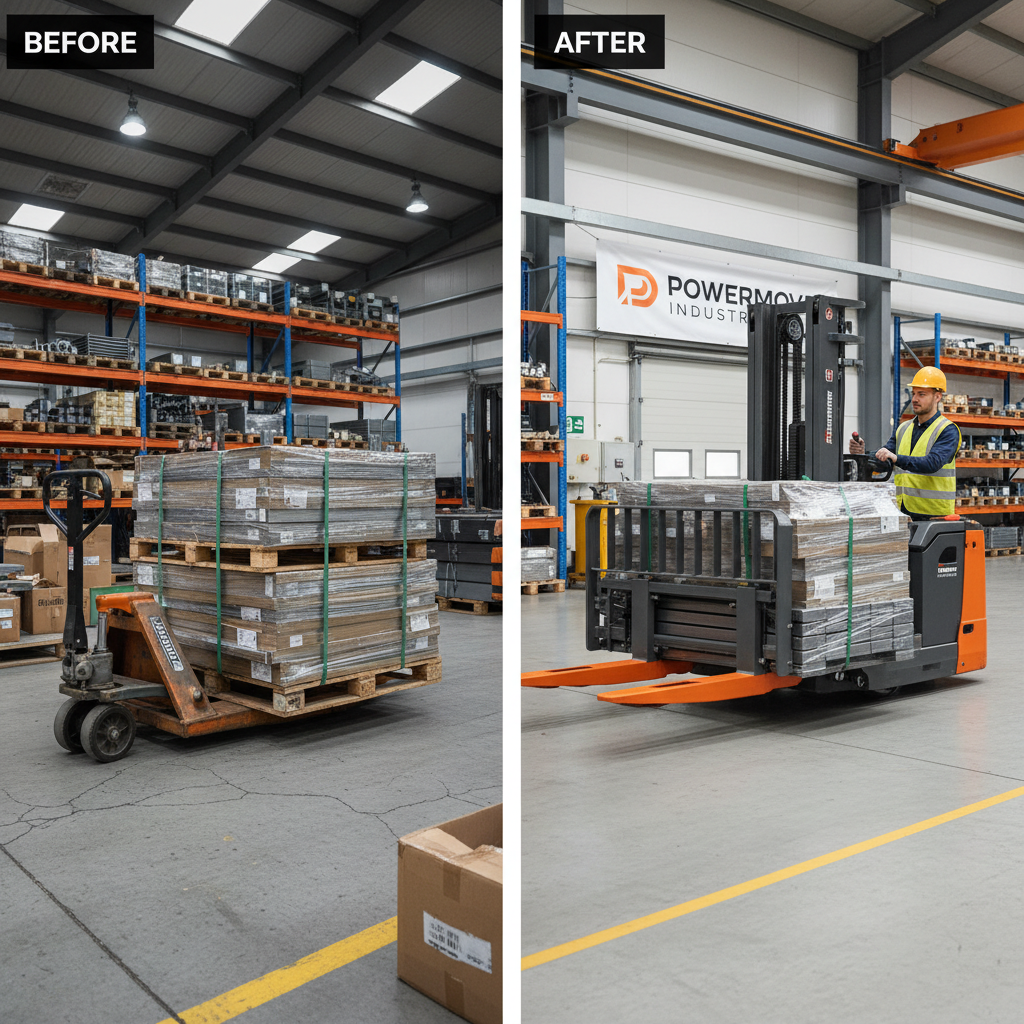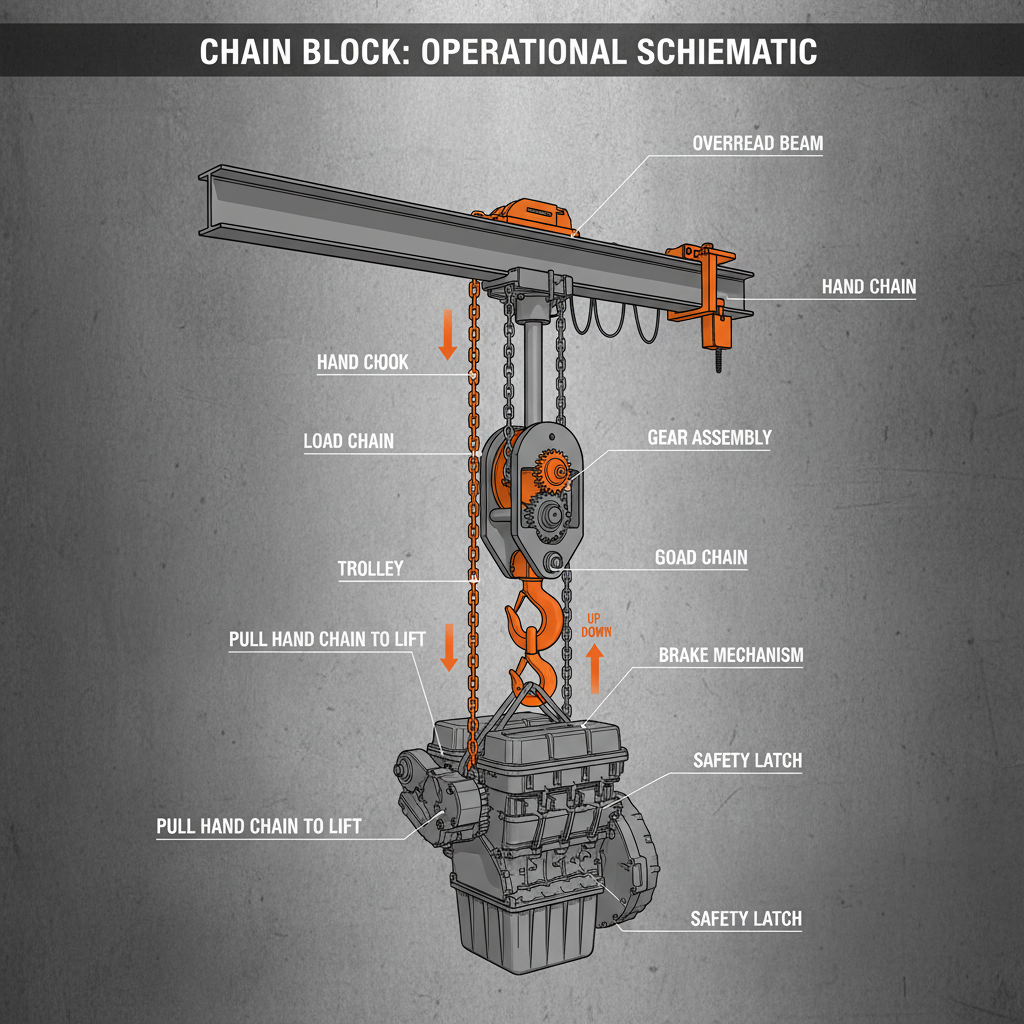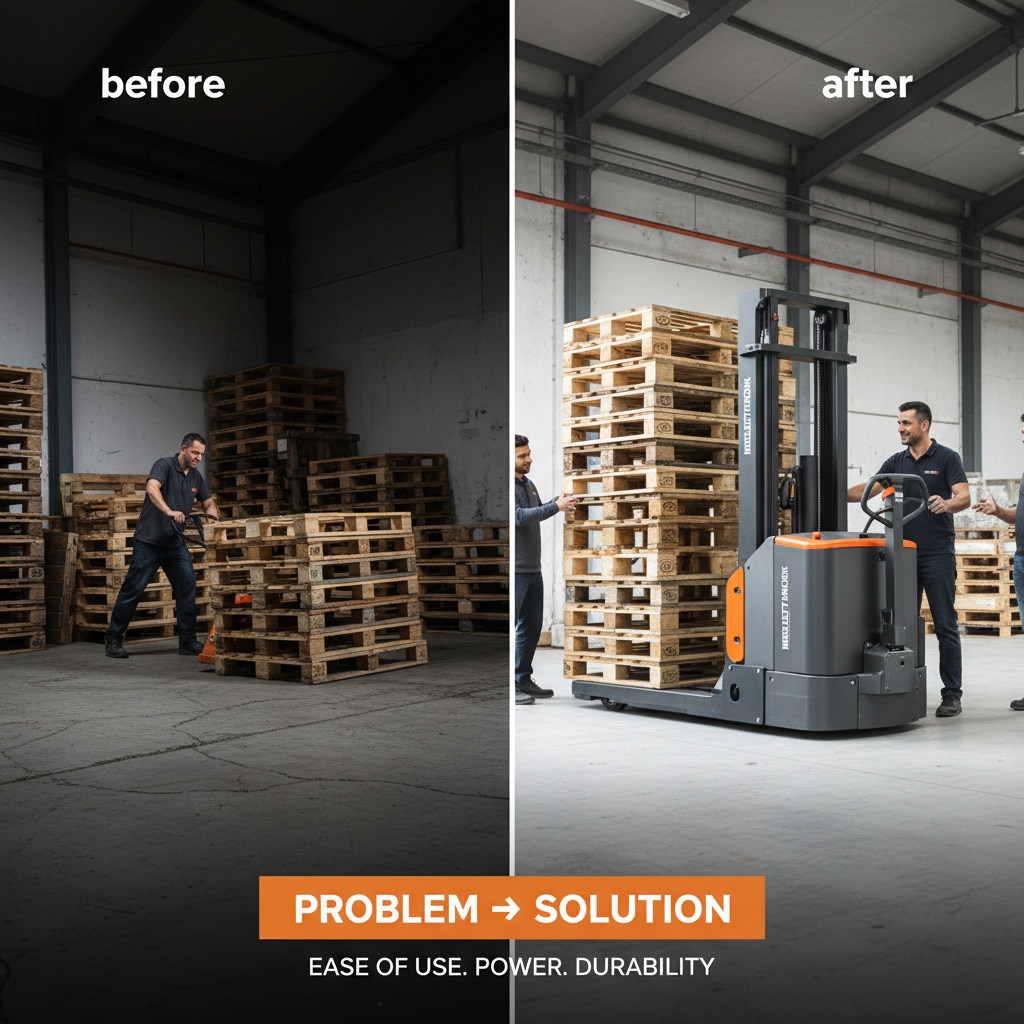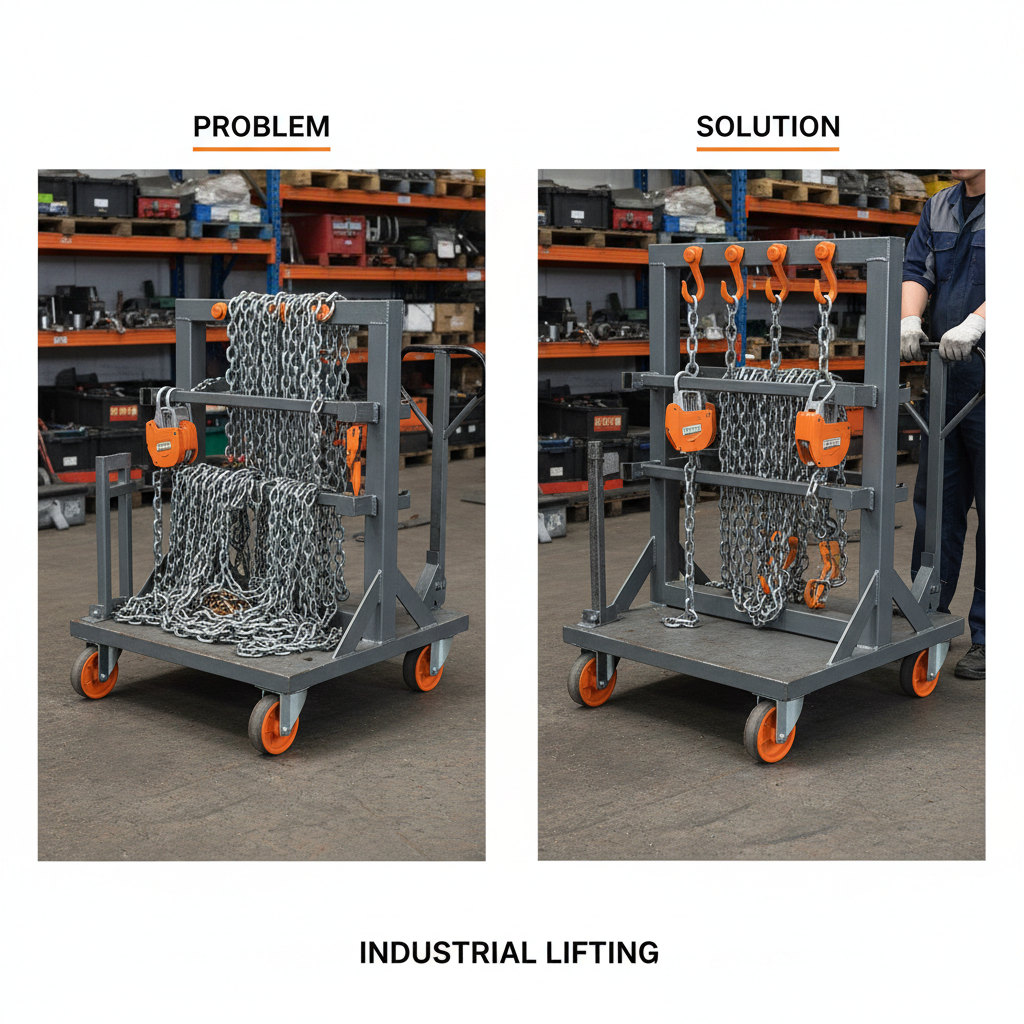


In the fast-paced environment of modern logistics and warehousing, the mechanical pallet truck remains an indispensable tool for efficient material handling. By combining hydraulic power with ergonomic design, these devices allow operators to move heavy palletized loads with minimal physical exertion, bridging the gap between manual lifting and expensive automated systems. Understanding the nuances of these tools is critical for any business looking to optimize its supply chain throughput while maintaining a safe working environment.
Across the globe, the adoption of high-quality material handling equipment is closely linked to industrial productivity. From small retail stockrooms to massive distribution centers, the ability to swiftly transport goods from receiving docks to storage racks defines the operational cadence of a facility. The mechanical pallet truck solves the fundamental challenge of "the last mile" of internal transport, ensuring that heavy goods do not become bottlenecks in the production or shipping cycle.
Investing in the right lifting equipment is not merely about purchasing a tool; it is about enhancing workforce safety and operational reliability. By reducing the risk of musculoskeletal injuries associated with manual lifting, businesses can lower turnover and insurance costs. In this comprehensive guide, we will explore the technical specifications, global applications, and future trajectories of the mechanical pallet truck to help you make an informed procurement decision.
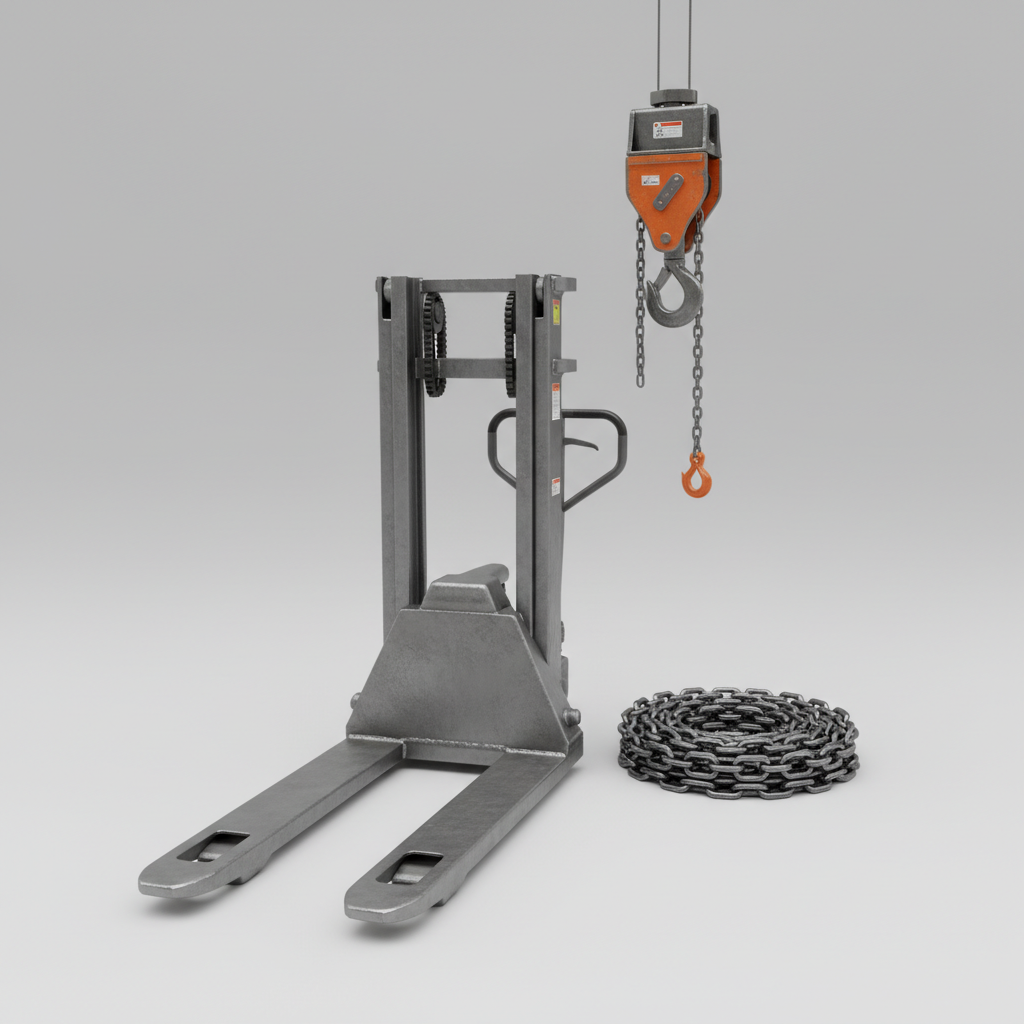
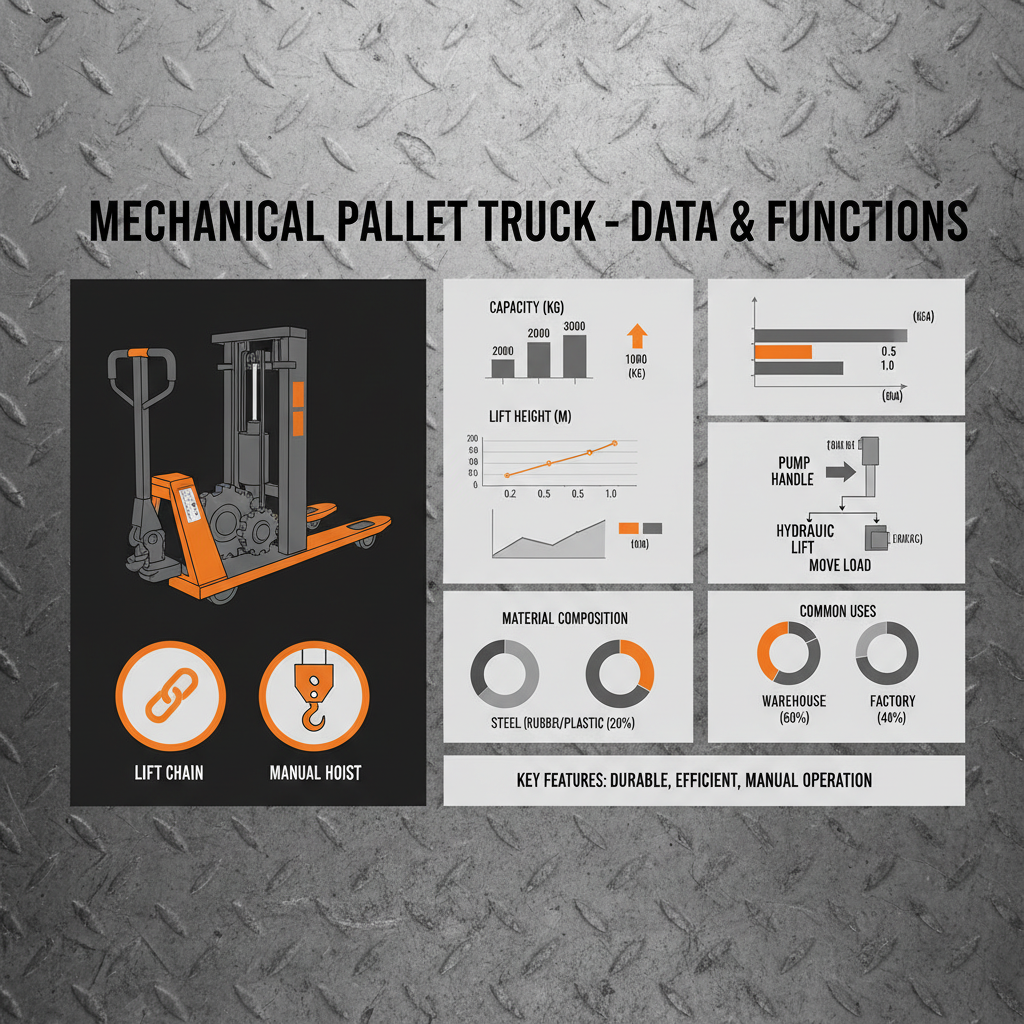
The global demand for efficient logistics has surged, with ISO standards increasingly emphasizing the ergonomics of material handling to prevent workplace injuries. In the context of global trade, the mechanical pallet truck serves as the primary interface between the shipping container and the warehouse shelf. As e-commerce continues to expand, the pressure on warehouse personnel to move goods faster has made the reliability of these hydraulic tools a critical factor in supply chain resilience.
Industry data suggests that facilities utilizing standardized pallet-handling equipment see a marked increase in "picks per hour" compared to those relying on outdated manual methods. The challenge remains in balancing load capacity with maneuverability, especially in narrow-aisle environments common in urban distribution hubs. This has led to a global shift toward high-tensile steel constructions and precision-engineered hydraulic pumps.
For high-intensity use, we recommend a basic inspection every 3 months. This includes checking the hydraulic oil levels, lubricating the grease nipples on the wheels and chassis, and inspecting the seals for leaks. Regular maintenance prevents sudden failure and extends the equipment's life by years.
Polyurethane wheels are softer, quieter, and won't mark your warehouse floors, making them ideal for retail or food service. Nylon wheels are harder and more durable, offering less rolling resistance on smooth surfaces and better resistance to chemicals, though they are noisier and can scratch floor coatings.
Standard models are designed for flat warehouse floors. However, "all-terrain" versions with wider, reinforced wheels can handle slightly uneven surfaces. Always ensure the load is centered and the pallet is stable before moving across any non-level ground to prevent tipping.
The most common cause is air trapped in the hydraulic system or low oil levels. Try pumping the handle rapidly several times to bleed the air. If that fails, check the oil reservoir. If oil is leaking from the pump, the seals may need replacement by a professional technician.
Yes, for many small businesses, the mechanical pallet truck is superior due to the absence of charging requirements, lower upfront costs, and minimal maintenance. It provides a reliable, "always-ready" solution without the complexity of battery management or expensive electrical repairs.
Measure your most commonly used pallets. Standard forks are usually 1150mm, but if you use oversized industrial pallets, you may need extended forks. Ensure the forks are slightly shorter than the pallet depth to allow for easy maneuvering and retrieval without hitting the load.
The mechanical pallet truck remains a cornerstone of global logistics because it perfectly balances simplicity, cost-effectiveness, and rugged utility. By focusing on high-quality hydraulic systems, durable frame materials, and ergonomic design, businesses can significantly improve their operational throughput while safeguarding their most valuable asset—their workers. Whether deployed in a high-tech distribution center or a remote relief camp, the reliability of the manual pallet jack ensures that the flow of goods never stops.
Looking ahead, the integration of sustainable materials and predictive maintenance will only enhance the value of these essential tools. We encourage facility managers to evaluate their current material handling fleet and prioritize ergonomic upgrades to drive long-term productivity. For those seeking industry-leading lifting and handling solutions, we invite you to explore our full range of professional equipment. Visit our website: www.qyjuli.com



 Afrikaans
 Albanian
 Amharic
 Arabic
 Armenian
 Azerbaijani
 Basque
 Belarusian
 Bengali
 Bosnian
 Bulgarian
 Catalan
 Cebuano
 China
China
 China (Taiwan)
 Corsican
 Croatian
 Czech
Czech
 Danish
 Dutch
Dutch
 Esperanto
 Estonian
 Finnish
 French
 Frisian
 Galician
 Georgian
 German
 Greek
Greek
 Gujarati
 Haitian Creole
 Hausa
Hausa
 Hawaiian
 Hebrew
 Hindi
Hindi
 Miao
Miao
 Hungarian
 Icelandic
 Igbo
Igbo
 Indonesian
 Irish
Irish
 Italian
 Japanese
 Javanese
 Kannada
 Kazakh
 Khmer
Khmer
 Rwandese
 Korean
 Kurdish
 Kyrgyz
 Lao
Lao
 Latin
Latin
 Latvian
 Lithuanian
 Luxembourgish
 Macedonian
 Malgashi
 Malay
Malay
 Malayalam
 Maltese
 Maori
Maori
 Marathi
 Mongolian
 Myanmar
 Nepali
 Norwegian
 Norwegian
 Occitan
 Pashto
 Persian
 Polish
 Portuguese
 Punjabi
 Romanian
 Russian
 Samoan
 Scottish Gaelic
 Serbian
 Sesotho
 Shona
Shona
 Sindhi
 Sinhala
 Slovak
 Slovenian
 Somali
 Spanish
 Sundanese
 Swahili
 Swedish
 Tagalog
 Tajik
Tajik
 Tamil
Tamil
 Tatar
Tatar
 Telugu
 Thai
Thai
 Turkish
 Turkmen
 Ukrainian
 Urdu
Urdu
 Uighur
 Uzbek
Uzbek
 Vietnamese
 Welsh
Welsh
 Bantu
Bantu
 Yiddish
 Yoruba
 Zulu
Zulu
 English