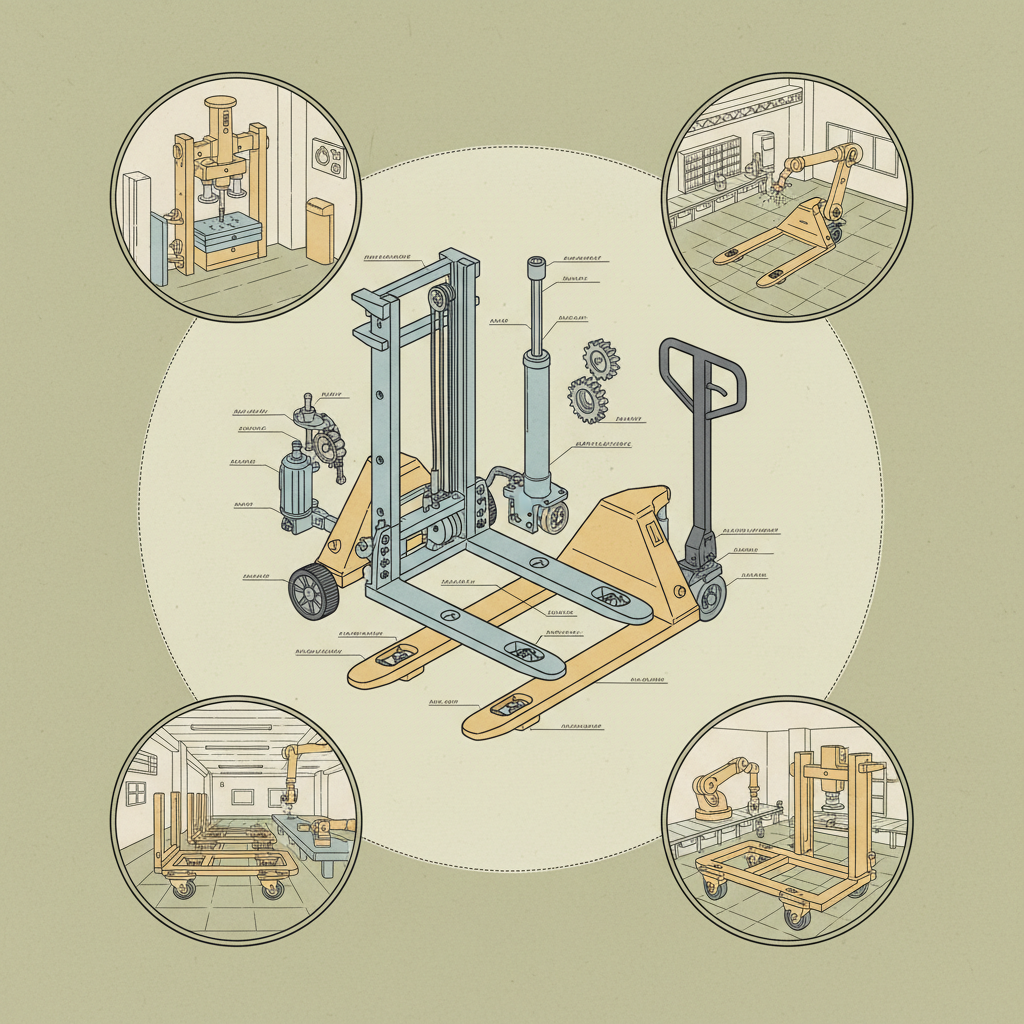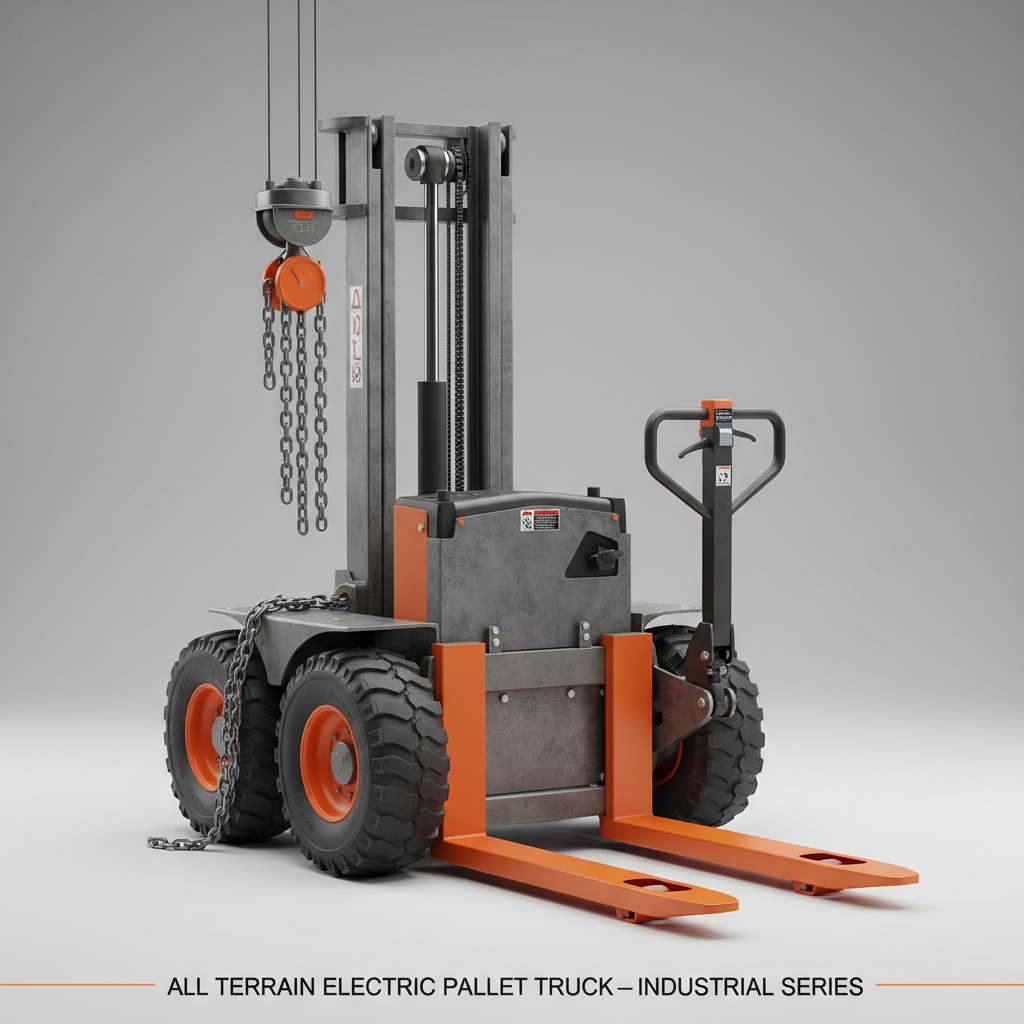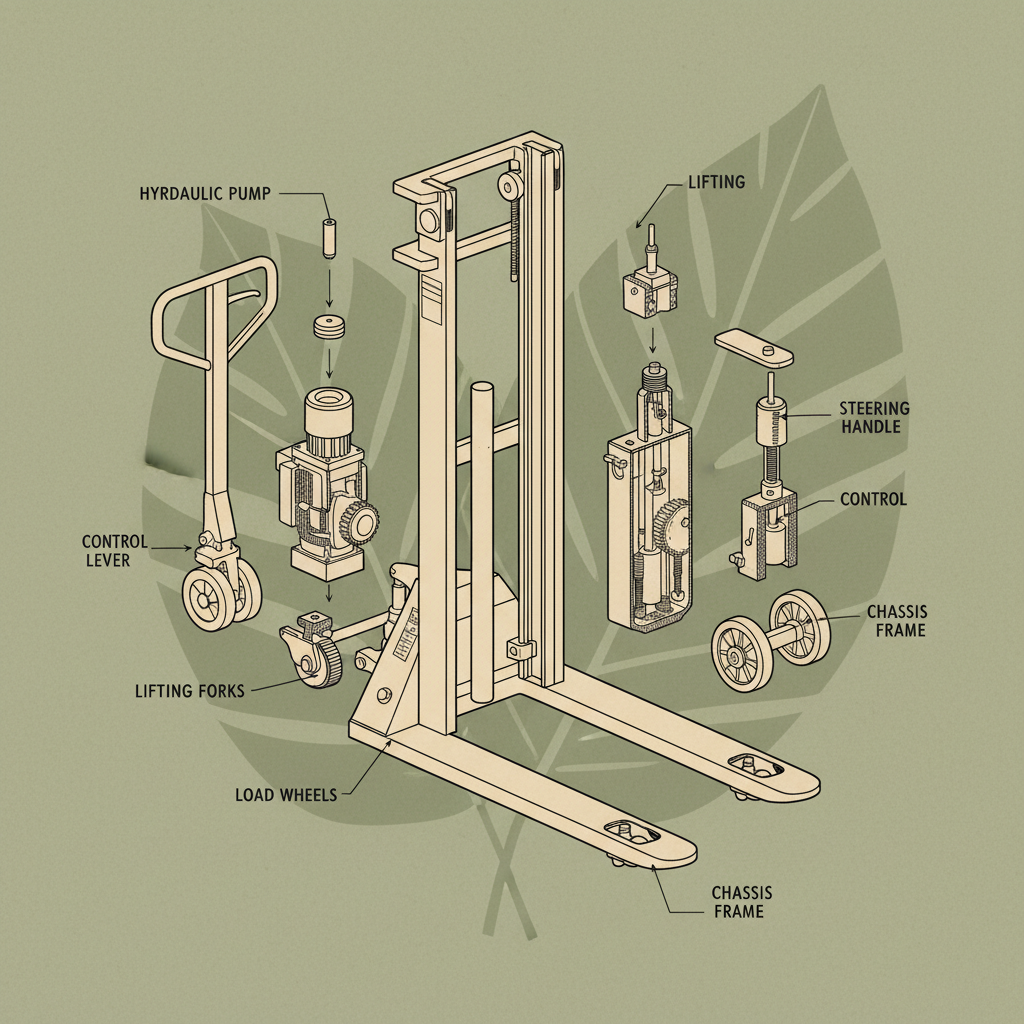


You know, things are moving fast these days. Everyone’s talking about prefabrication, modular construction… honestly, it’s a bit of a whirlwind. I’ve been on sites where they’re trying to bolt together entire bathroom pods – it’s impressive, sure, but also feels… fragile somehow. There’s a push for speed, for efficiency, but sometimes I wonder if we’re sacrificing robustness. Chain block factories are playing a bigger role in all of this, naturally. They're the backbone of lifting and moving these bigger, heavier modules. It’s not just about lifting, it’s about precision too, getting everything aligned right.
Have you noticed how everyone wants ‘smart’ everything? Smart chain blocks, with load sensors and remote controls… it's good, I suppose, but it adds another layer of potential failure. I saw a unit glitch out at a wind farm project last year. Took a whole day to troubleshoot. Gave me a headache just thinking about it. To be honest, I still trust a well-maintained, manual chain block more in a pinch.
And the demand is up. Big time. Not just construction, but shipbuilding, aerospace… anywhere you need to lift something heavy. The global lifting and hoisting equipment market is projected to reach $38.5 billion by 2027 (according to a report I skimmed on the train last week – don’t quote me on that exact number!). That's a lot of chain blocks.
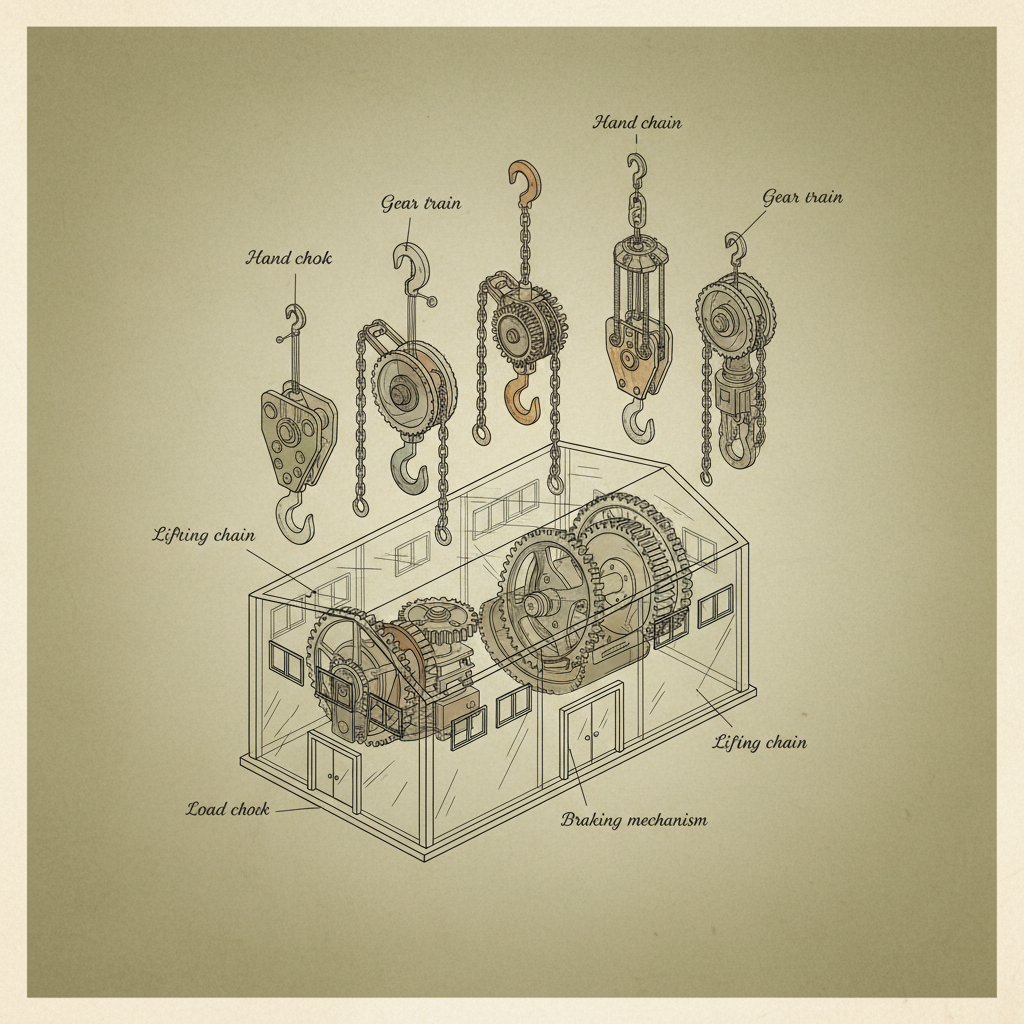
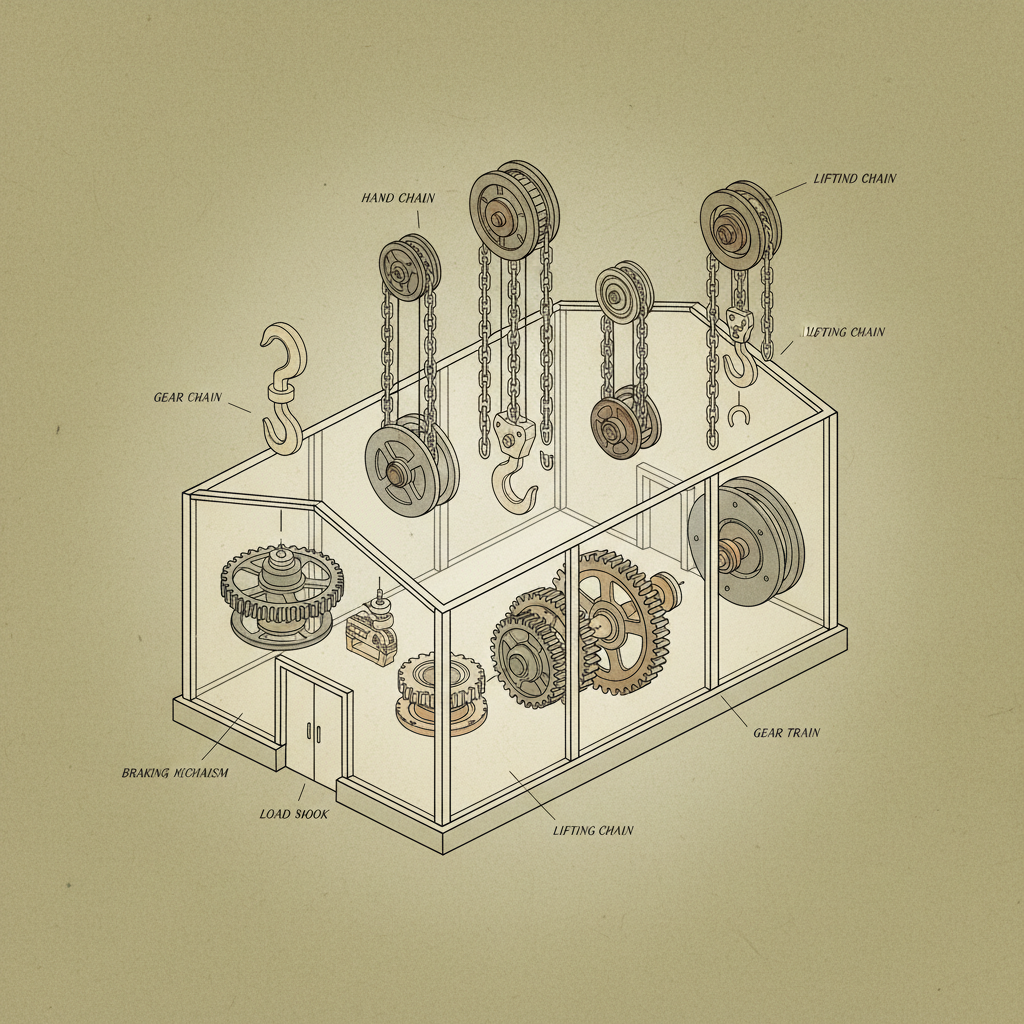
It’s not all just bigger lifts, either. Strangely, there’s been a resurgence in demand for smaller, more specialized chain blocks. Things like stainless steel blocks for food processing plants, or blocks with explosion-proof features for chemical facilities. Folks are getting a lot more specific with their requirements. And the Asian manufacturers… well, they’ve really stepped up their game. The quality control is getting better, the lead times are shorter, and the prices are competitive. I encountered this at a factory in Ningbo last time – seriously impressive stuff.
They’re pushing the limits of what these things can do. You’ve got chain blocks that can handle insane loads, operate in extreme temperatures, and even be controlled remotely via Bluetooth. It's a race to the top, and it benefits everyone in the end.
Honestly, it depends. A well-maintained chain block can easily last 10-15 years, sometimes even longer. But it really comes down to the workload and the environment it’s used in. A block that’s constantly lifting heavy loads in a harsh environment will wear out much faster than one that’s used sparingly indoors. Regular inspection, lubrication, and chain replacement are key.
Definitely. Look for features like overload protection, which prevents the block from lifting loads that are too heavy. A robust braking system is also essential – you want to be able to stop the lift quickly and securely. And make sure the block has a clear load rating label, so you know its maximum capacity. Don’t skimp on safety, it's not worth the risk.
Simple. A manual chain block is operated by pulling a chain – you’re providing the power yourself. An electric chain block uses a motor to do the lifting. Electric blocks are faster and require less effort, but they’re more complex and require a power source. Manual blocks are more reliable and can be used in situations where electricity isn’t available.
At a minimum, you should inspect a chain block before each use. Look for any signs of damage, such as cracks, dents, or worn chains. A more thorough inspection should be conducted at least once a year, or more frequently if the block is heavily used. Keep a record of your inspections!
Use a high-quality chain lubricant specifically designed for lifting chains. Avoid using WD-40 or other penetrating oils, as they can attract dirt and grime. A good lubricant will reduce friction, prevent corrosion, and extend the life of the chain. Apply it liberally and wipe off any excess.
Honestly? Probably not. Unless you’re a qualified technician, you shouldn’t attempt to repair a chain block yourself. It’s too risky. Damaged chain blocks should be taken to a professional for inspection and repair. A faulty repair can lead to catastrophic failure and serious injury.
So, there you have it. Chain blocks are a fundamental piece of kit, whether you’re building skyscrapers, ships, or just trying to move some heavy equipment around. They’ve come a long way, with innovations in materials, design, and technology. But at the end of the day, it's a pretty simple machine.
Ultimately, whether this thing works or not, the worker will know the moment he tightens the screw. And that's the truth. If you're looking for reliable chain blocks for your project, check out chain block factory. They've got a solid reputation and a wide range of options to choose from.



 Afrikaans
 Albanian
 Amharic
 Arabic
 Armenian
 Azerbaijani
 Basque
 Belarusian
 Bengali
 Bosnian
 Bulgarian
 Catalan
 Cebuano
 China
China
 China (Taiwan)
 Corsican
 Croatian
 Czech
Czech
 Danish
 Dutch
Dutch
 Esperanto
 Estonian
 Finnish
 French
 Frisian
 Galician
 Georgian
 German
 Greek
Greek
 Gujarati
 Haitian Creole
 Hausa
Hausa
 Hawaiian
 Hebrew
 Hindi
Hindi
 Miao
Miao
 Hungarian
 Icelandic
 Igbo
Igbo
 Indonesian
 Irish
Irish
 Italian
 Japanese
 Javanese
 Kannada
 Kazakh
 Khmer
Khmer
 Rwandese
 Korean
 Kurdish
 Kyrgyz
 Lao
Lao
 Latin
Latin
 Latvian
 Lithuanian
 Luxembourgish
 Macedonian
 Malgashi
 Malay
Malay
 Malayalam
 Maltese
 Maori
Maori
 Marathi
 Mongolian
 Myanmar
 Nepali
 Norwegian
 Norwegian
 Occitan
 Pashto
 Persian
 Polish
 Portuguese
 Punjabi
 Romanian
 Russian
 Samoan
 Scottish Gaelic
 Serbian
 Sesotho
 Shona
Shona
 Sindhi
 Sinhala
 Slovak
 Slovenian
 Somali
 Spanish
 Sundanese
 Swahili
 Swedish
 Tagalog
 Tajik
Tajik
 Tamil
Tamil
 Tatar
Tatar
 Telugu
 Thai
Thai
 Turkish
 Turkmen
 Ukrainian
 Urdu
Urdu
 Uighur
 Uzbek
Uzbek
 Vietnamese
 Welsh
Welsh
 Bantu
Bantu
 Yiddish
 Yoruba
 Zulu
Zulu
 English