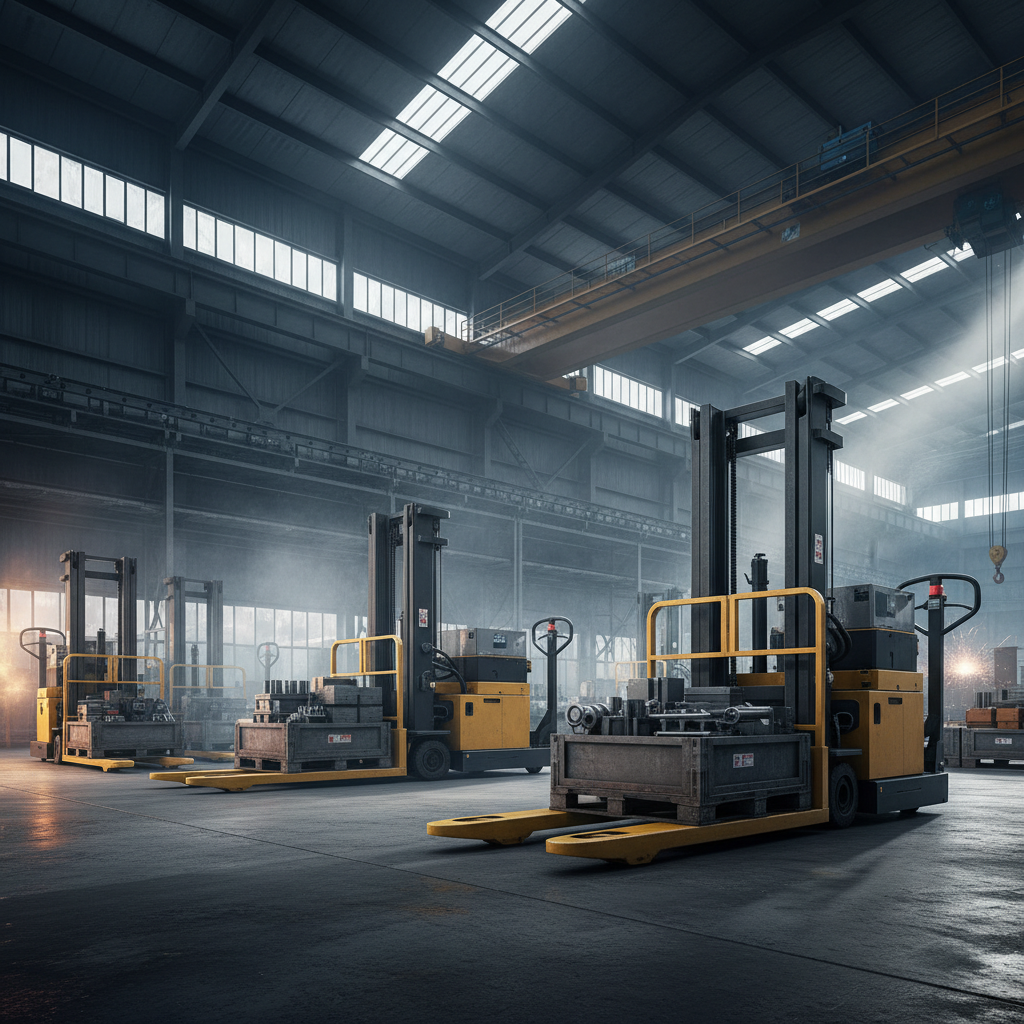


Selecting the right material handling equipment often comes down to a critical decision: which hand pallet truck suppliers can provide the balance of structural durability and hydraulic precision required for high-cycle environments. In warehouse logistics, a pallet truck is not merely a tool but the primary link in the internal supply chain.
The shift toward leaner inventory management has placed immense pressure on the reliability of manual lifting tools. When equipment fails, the ripple effect impacts loading docks, sorting areas, and overall outbound efficiency. Consequently, procurement teams are moving away from generic sourcing toward suppliers who integrate specific metallurgical standards with ergonomic design.
This analysis examines the technical benchmarks of modern pallet trucks, the procurement logic used by global logistics hubs, and how to evaluate supplier capabilities to ensure long-term operational uptime.


The hand pallet truck transitioned from a simple mechanical lever to a precision hydraulic instrument. Early iterations suffered from seal leakage and frame warping under asymmetric loads, which necessitated a shift toward reinforced steel chassis and integrated valve systems.
Today, the focus has moved from mere lifting capacity to the "effort-to-load" ratio. Modern engineering seeks to minimize the physical strain on the operator through optimized pump ratios and low-friction wheel materials, reflecting a broader industrial trend toward occupational health and safety.
The structural integrity of a pallet truck relies on the grade of steel used in the forks. Cold-rolled reinforced steel is standard for preventing permanent deformation, especially when dealing with non-standard pallet sizes that may place stress on the fork tips rather than the base.
Hydraulic efficiency is governed by the seal material and the precision of the piston cylinder. High-performance units utilize polyurethane seals that resist temperature fluctuations and chemical corrosion, ensuring that the lifting mechanism does not drift under heavy loads over extended periods.
Wheel composition further dictates performance; nylon wheels offer lower rolling resistance on smooth epoxy floors, whereas polyurethane wheels provide better grip and noise reduction on concrete surfaces. The choice of material directly affects the operator's fatigue levels and the speed of transport.
When auditing potential partners, the depth of their quality control system is more indicative of product lifespan than the initial price point. Professional manufacturers implement stress-testing protocols that simulate thousands of lift cycles to identify potential failure points in the weld joints.
Reliability in material handling is not found in the maximum load rating, but in the consistency of the lifting effort across the entire range of the hydraulic stroke.
Companies like Qingyuan Juli Hoisting Machinery Co., Ltd. demonstrate this approach by utilizing advanced manufacturing equipment and adhering to ISO9001 and CE certifications. This ensures that every unit leaving the factory meets a standardized performance threshold, reducing the variance often found in low-cost, uncertified alternatives.
Understanding the relationship between load weight and operational efficiency is key to optimizing fleet size. A truck operating at 90% of its rated capacity requires significantly more effort to initiate movement than one at 60%, impacting the overall throughput of the warehouse.
The following index illustrates the relative operational effort and stability when utilizing various equipment tiers across different load percentages.
In a typical cold-storage environment, standard lubricants in the hydraulic pump can thicken, leading to sluggish response times. In these scenarios, procurement must specify low-temperature hydraulic oils and stainless steel components to prevent oxidation and mechanical seizure.
Conversely, in high-traffic shipping docks, the primary concern is impact resistance. Equipment must feature reinforced toe guards and heavy-duty cast iron pumps to withstand the constant collisions associated with rapid loading and unloading cycles.
The industry is seeing a gradual convergence between manual and semi-automated systems. While the traditional hand pallet truck remains indispensable for short-distance movement, the integration of ergonomic handles with adjustable heights is reducing workplace injuries.
There is also a growing demand for specialized lifting tools. For instance, in environments where vertical lifting is combined with horizontal transport, the use of complementary equipment like mini electric hoists or chain blocks becomes a necessity for a complete material handling ecosystem.
The focus for future developments is likely to remain on "sustainable durability"—creating equipment that is easier to repair rather than replace. This shift towards modular components allows businesses to replace a single valve or seal without scrapping the entire chassis.
Choosing between different hand pallet truck suppliers requires a structured evaluation of trade-offs. A lower initial cost often correlates with higher maintenance frequencies and shorter operational lifespans, which can increase the total cost of ownership (TCO).
Decision-makers should prioritize the "Duty Cycle" of their operation. A truck used for two hours a day has different requirements than one used in three shifts. For high-intensity use, the investment in premium alloys and precision-machined pumps is a financial necessity.
The following framework provides a qualitative comparison of equipment tiers based on typical industrial requirements.
| Evaluation Factor | Economy Tier | Industrial Tier | Heavy-Duty Tier |
|---|---|---|---|
| Frame Material | Standard Steel | Reinforced Steel | Alloy-Reinforced |
| Pump Construction | Cast Iron | Precision Cast | Hardened Alloy |
| Seal Durability | Standard Rubber | Polyurethane | High-Temp Polymer |
| Wheel Type | Basic Nylon | PU/Nylon Hybrid | Premium Polyurethane |
| Recommended Use | Light Retail | General Warehouse | Manufacturing Plant |
| Maintenance Cycle | Short/Frequent | Standard | Extended/Low |
You should calculate the maximum weight of your heaviest pallet including the weight of the pallet itself. It is recommended to select a truck with a capacity 20% higher than your maximum load to avoid operating at the absolute limit, which reduces wear on the hydraulic pump and prevents frame fatigue over time.
Nylon wheels are harder and offer less rolling resistance, making them ideal for smooth, hard floors. However, they are noisier and can damage delicate flooring. Polyurethane wheels are softer, provide better shock absorption, and are quieter, making them better for uneven surfaces or environments where noise reduction is a priority.
This is typically caused by air trapped in the hydraulic system or a leak in the pump seals. First, try pumping the handle several times rapidly to bleed the air. If the problem persists, the hydraulic oil level may be low or a seal may have failed, requiring professional maintenance or a pump rebuild.
For high-use industrial environments, a quarterly inspection is recommended. This should include checking hydraulic oil levels, lubricating the grease points on the wheels and chassis, and inspecting the fork tips for deformation. Regular maintenance can extend the equipment life by several years.
Yes, these certifications ensure that the manufacturer adheres to international safety and quality management standards. CE certification specifically confirms the equipment meets EU safety requirements, which is vital for reducing workplace liability and ensuring that the load-bearing calculations are verified and safe for operators.
Standard painted steel trucks will corrode quickly in wet or salty environments. For such conditions, you should specifically request galvanized steel or stainless steel versions. Additionally, ensure the wheels are made of materials resistant to the specific chemicals used in your facility to prevent wheel degradation.
The efficiency of a warehouse is fundamentally tied to the reliability of its most basic tools. By shifting the focus from initial procurement costs to the technical specifications of the hydraulic system and frame metallurgy, businesses can significantly reduce downtime and operator fatigue.
Ultimately, the value of partnering with experienced hand pallet truck suppliers lies in their ability to match equipment to specific operational stresses, ensuring that the tools deployed are fit for the actual rigors of the industrial environment.