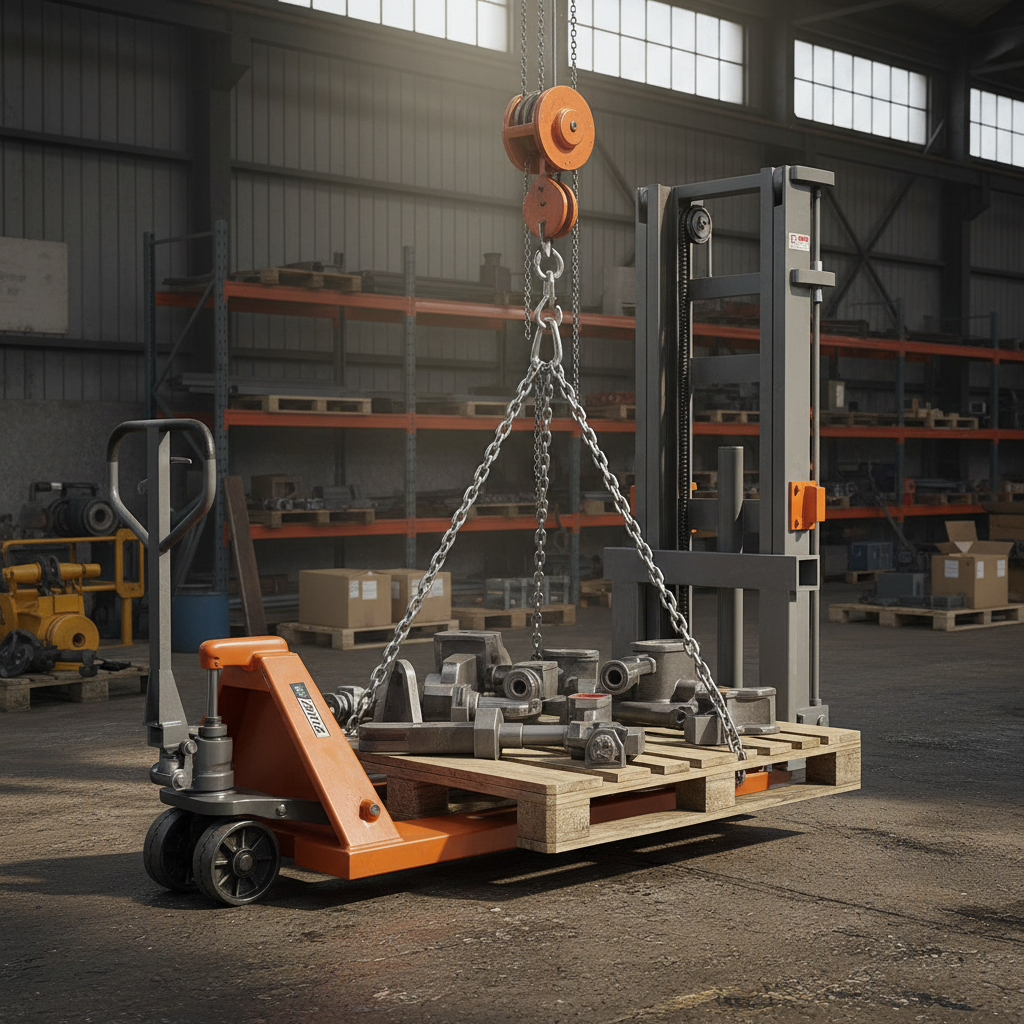


Selecting the right hand pallet truck manufacturers is a critical decision for warehouse managers and procurement officers in the lifting and conveying equipment industry. As the backbone of material handling, the quality of a pallet truck directly influences operational throughput, worker safety, and long-term maintenance costs in high-intensity environments.
The primary challenge for buyers is distinguishing between generic equipment and high-performance tools that can withstand continuous industrial load cycles. Many procurement failures stem from overlooking the structural integrity of the chassis or the precision of the hydraulic pump, leading to premature failure and costly downtime.
This guide provides a professional framework for evaluating manufacturers, analyzing key technical specifications, and matching specific equipment types to industrial applications to ensure a sustainable return on investment.

Essential Criteria for Evaluating Manufacturers

When vetting hand pallet truck manufacturers, the focus must shift from unit price to the manufacturer's integrated production capability. Professional manufacturers, such as Qingyuan Juli Hoisting Machinery Co., Ltd, utilize specialized facilities—often covering thousands of square meters—to integrate design, production, and strict quality testing under one roof. This integration ensures that every component, from the fork steel to the hydraulic seals, meets international standards like ISO9001 and CE.
A reliable manufacturer is identified by their investment in precision machinery. The use of high-accuracy large machine tools and automated chain or component lines indicates a capability for consistent tolerances, which is vital for the long-term stability of the lifting mechanism and the reduction of hydraulic leaks over thousands of cycles.
Technical Architecture of High-Performance Pallet Trucks
The structural integrity of a pallet truck depends on the grade of steel used in the chassis and forks. High-performance models employ reinforced alloy steel that undergoes specific tempering processes to prevent bending under maximum rated capacity. The hydraulic pump is the heart of the machine; manufacturers who implement precision-ground pistons and high-grade sealing rings significantly reduce the "drift" phenomenon where the load slowly lowers during transport.
Furthermore, the choice of wheel materials—polyurethane, nylon, or rubber—must be aligned with the floor surface. Professional manufacturers provide various wheel configurations to balance rolling resistance with noise reduction and floor protection, ensuring that the equipment operates efficiently without damaging the facility's epoxy or concrete surfaces.
Matching Pallet Truck Specifications to Use Cases
Selecting the correct pallet truck requires a detailed analysis of the load profile and environment. For standard warehouse operations, a classic 2.5-ton capacity truck with standard fork lengths is usually sufficient. However, in specialized environments, such as cold storage or chemical plants, buyers must seek manufacturers who offer galvanized coatings or stainless steel options to prevent corrosion and ensure longevity.
In narrow-aisle configurations, the turning radius becomes the primary metric. Buyers should evaluate the steer-wheel offset and the overall length of the chassis. For heavy-duty industrial applications, the focus shifts to the thickness of the fork plates and the capacity of the hydraulic cylinder to handle peak loads without structural fatigue.
Operational Performance Indices
Evaluating the efficiency of material handling equipment involves measuring relative performance across different operational dimensions. The following illustrative framework represents the normalized priority of technical factors when selecting equipment from different hand pallet truck manufacturers based on operational goals.
This conceptual comparison indicates that while durability is a baseline requirement for all industrial users, high-throughput environments prioritize "Effortless Maneuverability" and "Hydraulic Response Speed" to reduce operator fatigue and increase the number of pallets moved per hour.
Supply Chain Risks and Quality Assurance
A significant risk in sourcing from budget manufacturers is the "component drift," where the quality of internal parts varies between batches. Trustworthy manufacturers implement a strict quality supervision system using professional inspection equipment. This includes load-testing every unit to 125% of its rated capacity to ensure there are no weld failures or hydraulic bypasses before the product leaves the factory.
Certification such as CE and GS is not just a formality but a reflection of the manufacturer's adherence to safety standards. These certifications ensure that the equipment has been designed to prevent accidental load drops and that the ergonomic handles reduce the risk of repetitive strain injuries for the workforce.
Avoiding Common Procurement Pitfalls
One of the most common mistakes is purchasing based solely on the lowest initial cost. Low-cost trucks often use inferior seals that leak within six months, leading to a higher Total Cost of Ownership (TCO) due to frequent repairs and lost productivity. Buyers should instead calculate the cost per lift cycle over a three-year period.
Another pitfall is neglecting the availability of spare parts. A pallet truck is a mechanical tool that requires maintenance. When choosing hand pallet truck manufacturers, verify if they provide easy access to replacement wheels, seals, and handle assemblies. A manufacturer that supports their products long after the sale is a partner in operational stability.
Manufacturer Decision Framework
To simplify the selection process, procurement teams can use a comparative matrix to evaluate potential suppliers. This framework focuses on the balance between technical capability, certification, and application suitability.
| Manufacturer Type | Quality Focus | Best Application | Primary Risk |
|---|---|---|---|
| Industrial Specialist | High Durability | Heavy Manufacturing | Higher Initial Cost |
| General Equipment | Cost Efficiency | Light Warehousing | Shorter Lifecycle |
| Customized Fabricator | Specific Needs | Cold/Chemical Stores | Longer Lead Times |
| Mass Market Supplier | Standardization | Retail Back-rooms | Generic Components |
| Certified Expert | Safety/Compliance | Regulated Industries | Strict Specs |
| Integrated OEM | Consistent Quality | Global Logistics | Minimum Order Qty |
By utilizing this matrix, companies can align their procurement strategy with their actual operational intensity, ensuring that the selected manufacturer provides a tool that is neither under-specified for the job nor over-engineered for the budget.
Frequently Asked Questions
The thickness and grade of the fork steel are paramount. For heavy-duty use, ensure the manufacturer uses reinforced alloy steel with precision welding to prevent fork deflection under peak loads.
Look for pumps with precision-ground pistons and high-grade synthetic seals. A quality pump will provide a smooth lift without "stuttering" and will maintain the load height without drifting.
Polyurethane wheels are generally best for epoxy floors as they provide a balance of load capacity, low rolling resistance, and protection against floor scratching.
At a minimum, look for ISO9001 for quality management and CE or GS certifications to ensure the equipment meets safety and health standards for industrial use.
Depending on usage intensity, a basic inspection of the hydraulic oil level and wheel wear should be done monthly, with a full professional service every 6 to 12 months.
Standard trucks may suffer from seal failure and corrosion in cold storage. It is recommended to source specialized versions from manufacturers that offer low-temperature hydraulic oil and galvanized finishes.
Conclusion
The decision to partner with specific hand pallet truck manufacturers should be based on a rigorous evaluation of their production capabilities, quality control systems, and the alignment of their technical specifications with your operational needs. Investing in equipment from a certified, integrated manufacturer reduces long-term TCO and enhances workplace safety.
For organizations seeking reliable material handling solutions, reviewing technical specifications and contacting experienced suppliers is the first step toward optimizing warehouse efficiency. Detailed product information is available at www.julihoisting.com for those evaluating high-standard lifting tools.