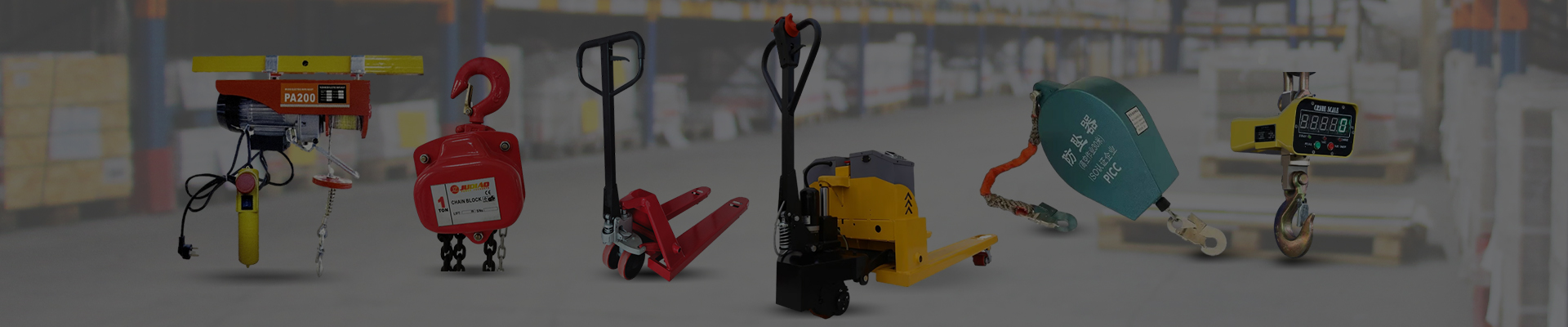


If you're ever on a construction site, in a warehouse, or even helping out in a disaster zone, you might notice the quiet workhorse of lifting equipment: the chain block 1 ton. It’s a deceptively simple device, yet it plays a crucial role in various sectors globally. Why does it matter so much? Well, industries depend on it to lift heavy loads safely and efficiently, whether moving machine parts or delivering humanitarian aid. Knowing more about this device unlocks a better appreciation for everyday industrial operations—and frankly, it might just save lives when applied correctly.
Lifting heavy items is one of the universal challenges in manufacturing, construction, and logistics. According to the International Organization for Standardization (ISO), safe lifting practices reduce workplace injuries significantly (ISO Standards). The chain block 1 ton, specifically designed to hoist loads up to 1,000 kilograms, has become a global staple—used everywhere from bustling urban factories to remote humanitarian camps.
With the World Bank reporting increasing manufacturing activity worldwide, particularly in emerging economies, the need for reliable lifting equipment like the chain block 1 ton has never been more urgent. It addresses practical problems: how to move heavy goods securely and with minimal manpower. This is especially critical in post-disaster scenarios, where quick deployment of aid materials can hinge on dependable lifting tools.
At its core, the chain block 1 ton is a mechanical device consisting of metal chains and a manual or powered pulley system designed to lift loads weighing up to 1 ton (about 2,204 pounds). It’s sometimes called a chain hoist or block and tackle, but this one specifically refers to those rated for a 1-ton capacity, ensuring safety and efficiency in medium-weight lifting tasks.
It’s connected deeply with industrial processes — for example, in manufacturing assembly lines or construction scaffolding. Moreover, it plays a vital role in humanitarian logistics, allowing teams to unload heavy shipments of emergency supplies without requiring cranes or electricity.
Chain blocks are built to last. Typically made from forged alloy steel chains with corrosion-resistant coatings, these devices withstand tough environments—rain, dust, and heavy use. This durability is key, especially in industries where equipment downtime slows operations drastically.
Safety can’t be an afterthought here. Quality chain blocks incorporate load brakes that lock automatically if the lifting force decreases, preventing accidental drops. This feature is often mandated by workplace safety regulations globally.
One thing engineers love is how portable chain blocks are. Designed for manual operation, these hoists require minimal training and can be quickly set up or relocated, which comes in handy for short-term projects or emergency setups.
Compared to powered lifts or cranes, chain blocks cost significantly less to buy and maintain. This makes them a budget-friendly solution for small to medium-sized enterprises or NGOs working in resource-limited environments.
They work indoors and outdoors, in construction, maritime loading, mining, or warehousing—the adaptability of chain blocks is a huge reason for their continued popularity.
| Parameter | Specification |
|---|---|
| Rated Load | 1 Ton (1000 kg) |
| Load Chain Material | Alloy steel, galvanized or coated |
| Lift Height Options | Typically 1.5m to 3m, customizable |
| Operating Mechanism | Manual chain hand wheel |
| Safety Features | Load brake, safety latch hook |
Mini Takeaway: The chain block 1 ton combines rugged design with safety and affordability, making it a go-to for many medium-weight lifting needs.
| Vendor | Price Range (USD) | Warranty | Certifications | Key Strength |
|---|---|---|---|---|
| ABC Hoists | $150–$200 | 2 years | ISO 9001, CE | Affordable, widely available |
| Global Lift Co. | $220–$280 | 3 years | ISO 9001, ASME B30.16 | High-end safety features |
| LiftPro Technologies | $180–$230 | 2 years | CE, ANSI | Good balance of price and durability |
From manufacturing plants in Southeast Asia to construction sites across Africa, the chain block 1 ton is a silent enabler. In post-disaster relief efforts, for instance, NGOs often depend on chain blocks to unload heavy pallets of food and medical supplies quickly—especially where cranes are unavailable. Oddly enough, their small size and manual operation allow them to be transported into rough terrain, supporting emergency logistics where power sources are unreliable.
In remote mining operations, these hoists lift equipment parts underground, where space and power are scarce. Similarly, shipyards use them during the assembly phases, where precision and safety cannot be compromised. These real-world examples show just how versatile a tool the chain block 1 ton is.
Interestingly, the chain block is not stuck in the past. Recent innovations include integrating wear sensors that alert operators in real-time to chain fatigue, improving preventive maintenance. Also, the use of eco-friendly coatings and lighter yet stronger alloys is gaining traction, increasing sustainability without sacrificing durability.
On the policy side, international standards are evolving to enforce tougher safety requirements, driving manufacturers to innovate smarter, safer devices continuously. One can also see a push towards semi-automated chain hoists combining manual and motorized functions, marrying tradition with technology.
Of course, chain blocks aren’t perfect. A common challenge is limited lift height, which sometimes requires multiple units or supplementary equipment to meet job demands. There’s also the matter of operator fatigue on manual models—lifting repeatedly can be exhausting.
Experts suggest ergonomic design improvements, such as optimized gears and handle grips, to reduce strain. Also, modular systems that allow quick changes in chain length improve versatility. Training and certification programs are critical to ensuring safety and optimal use, a recommendation echoed by the International Labor Organization (ILO).
In the grand scheme, the chain block 1 ton embodies a perfect balance of simplicity, safety, and global utility, whether in booming industrial zones or emergency settings. Its enduring design is a testament to engineering meeting real-world demands. If you’re in the market for reliable lifting equipment or want to learn more, don’t hesitate to explore options and specs at chain block 1 ton. Reliable lifting starts there.
Oddly enough, sometimes the simplest tools have the biggest impact.


 Afrikaans
 Albanian
 Amharic
 Arabic
 Armenian
 Azerbaijani
 Basque
 Belarusian
 Bengali
 Bosnian
 Bulgarian
 Catalan
 Cebuano
 China
China
 China (Taiwan)
 Corsican
 Croatian
 Czech
Czech
 Danish
 Dutch
Dutch
 Esperanto
 Estonian
 Finnish
 French
 Frisian
 Galician
 Georgian
 German
 Greek
Greek
 Gujarati
 Haitian Creole
 Hausa
Hausa
 Hawaiian
 Hebrew
 Hindi
Hindi
 Miao
Miao
 Hungarian
 Icelandic
 Igbo
Igbo
 Indonesian
 Irish
Irish
 Italian
 Japanese
 Javanese
 Kannada
 Kazakh
 Khmer
Khmer
 Rwandese
 Korean
 Kurdish
 Kyrgyz
 Lao
Lao
 Latin
Latin
 Latvian
 Lithuanian
 Luxembourgish
 Macedonian
 Malgashi
 Malay
Malay
 Malayalam
 Maltese
 Maori
Maori
 Marathi
 Mongolian
 Myanmar
 Nepali
 Norwegian
 Norwegian
 Occitan
 Pashto
 Persian
 Polish
 Portuguese
 Punjabi
 Romanian
 Russian
 Samoan
 Scottish Gaelic
 Serbian
 Sesotho
 Shona
Shona
 Sindhi
 Sinhala
 Slovak
 Slovenian
 Somali
 Spanish
 Sundanese
 Swahili
 Swedish
 Tagalog
 Tajik
Tajik
 Tamil
Tamil
 Tatar
Tatar
 Telugu
 Thai
Thai
 Turkish
 Turkmen
 Ukrainian
 Urdu
Urdu
 Uighur
 Uzbek
Uzbek
 Vietnamese
 Welsh
Welsh
 Bantu
Bantu
 Yiddish
 Yoruba
 Zulu
Zulu
 English