

I’ve watched dropped-object tolerance go from “don’t let it happen” to “design it out.” The anti fall arrester—sometimes called a self-locking lifeline for loads—sits right in that shift. In plain terms, it senses a sudden acceleration and locks a steel cable within a short distance, arresting the drop of tools, fixtures, or suspended components. Origin-wise, this model comes from Donglv Industrial Zone, Donglu Township, Qingyuan District, Baoding City, Hebei Province; I’ve been there—busy, practical manufacturing culture.
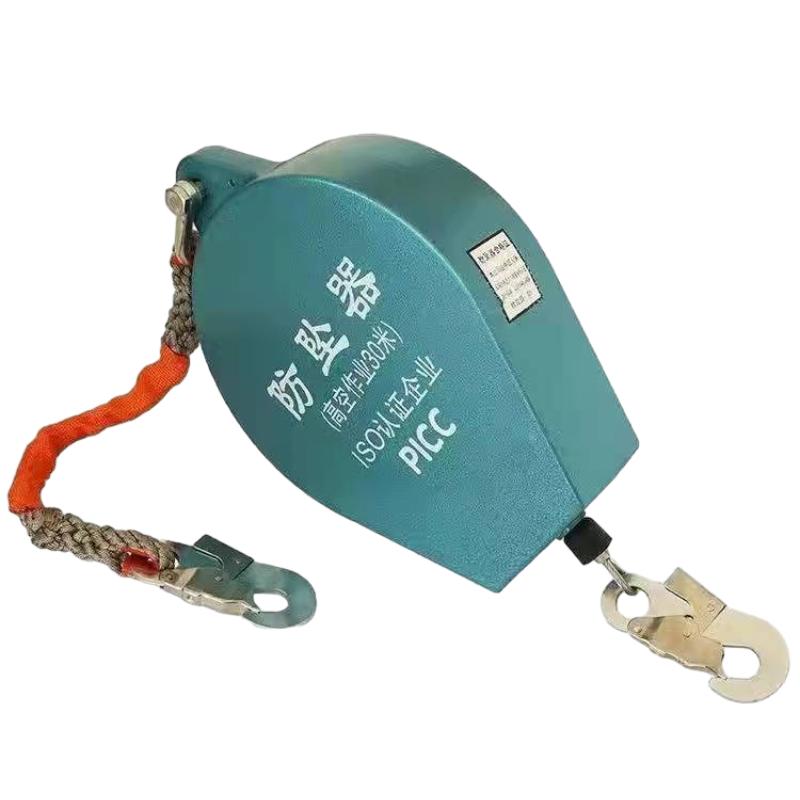
| Product name | Anti Fall Arrester (Self-locking Lifeline for loads) |
| Working load | 150–300 kg (≈330–660 lb), real-world use may vary by mounting |
| Cable | Galvanized steel, Ø ≈ 4–6 mm; abrasion-resistant guide |
| Mechanism | Centrifugal brake + pawl, auto lock on sudden acceleration |
| Arrest distance | Typically < 0.5–1.2 m depending on load and slack |
| Housing | Aluminum or reinforced polymer; IP-rated options on request |
| Standards benchmark | Drop-prevention per ANSI/ISEA 121; dynamic tests referencing EN 360 methodology for performance |
| Service life | Up to 5–10 years or arrest-count limit (inspect before each use) |
Materials: alloy-steel pawls and cams (heat-treated), precision springs, galvanized or stainless cable, CNC-machined hubs, sealed bearings. Methods: shot-peening, salt-spray corrosion checks, and final-line function tests. Testing: static proof at 1.25–1.5× WLL, dynamic drop tests per EN 360-style protocols, and cycle testing (≈5–10k retractions). Service environments: -20 to +50 °C typical.
Note: this anti fall arrester is for loads and tools. For personal fall arrest, use certified SRLs explicitly rated for people, per ANSI/ASSP Z359 and EN 360.
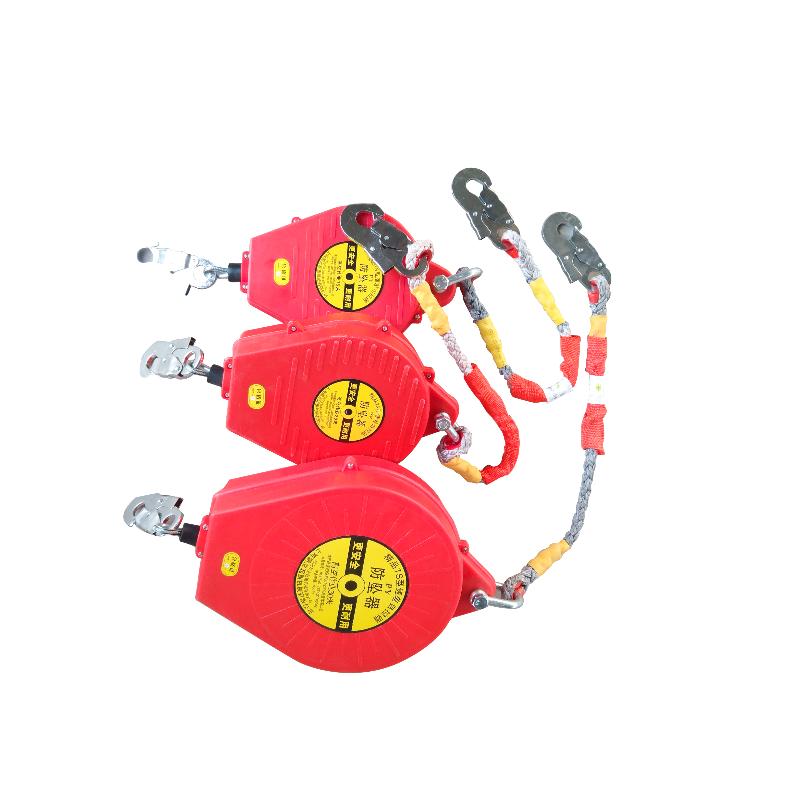
Advantages: quick lock, compact, less downtime from “near-miss” drops, and insurance folks sleep better. Many customers say the reset is straightforward—usually a visual inspection, retract, and you’re back on task.
| Vendor | Origin | Certificates | Lead time | Customization | After-sales |
|---|---|---|---|---|---|
| QY Juli (Hebei) | Baoding, China | Factory ISO 9001; test reports vs ANSI/ISEA 121, EN 360 | Around 15–30 days | Load range, cable length, housing, IP options | Spare kits, inspection guide |
| Regional Fabricator | Local | Limited; in-house tests | 7–21 days | Some customization | On-site support |
| Generic Importer | Mixed | Varies; request data | Stock-dependent | Minimal | Email-only |
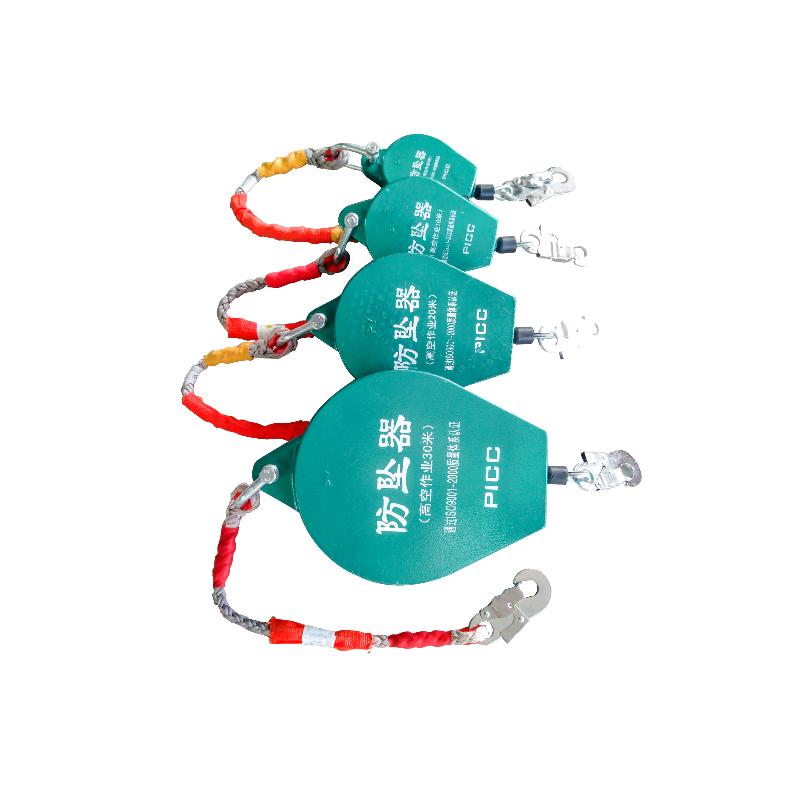
Custom options I’ve seen work: extended cable (10–25 m), stainless for coastal plants, high-temp springs for foundries, and indicator tags that flag an arrest event. Typical test data for a 200 kg load: peak arrest force ≈ 3–5 kN; arrest distance ≈ 0.7 m; reset time < 60 s after inspection.
A wind OEM retrofitted six anti fall arrester units above a nacelle tooling bay. Result over 9 months: zero dropped-tool incidents, two recorded arrests (no damage), and a 23% cut in downtime related to near-miss reports. Feedback was almost boringly positive—“install and forget”—which is exactly what you want in safety hardware.
Use this anti fall arrester within rated load, inspect daily, and log any arrest event. For personal fall protection, switch to SRLs certified to ANSI/ASSP Z359 or EN 360. For dropped-object programs, align with ANSI/ISEA 121 and OSHA’s PPE/general duty requirements.


 Afrikaans
 Albanian
 Amharic
 Arabic
 Armenian
 Azerbaijani
 Basque
 Belarusian
 Bengali
 Bosnian
 Bulgarian
 Catalan
 Cebuano
 China
China
 China (Taiwan)
 Corsican
 Croatian
 Czech
Czech
 Danish
 Dutch
Dutch
 Esperanto
 Estonian
 Finnish
 French
 Frisian
 Galician
 Georgian
 German
 Greek
Greek
 Gujarati
 Haitian Creole
 Hausa
Hausa
 Hawaiian
 Hebrew
 Hindi
Hindi
 Miao
Miao
 Hungarian
 Icelandic
 Igbo
Igbo
 Indonesian
 Irish
Irish
 Italian
 Japanese
 Javanese
 Kannada
 Kazakh
 Khmer
Khmer
 Rwandese
 Korean
 Kurdish
 Kyrgyz
 Lao
Lao
 Latin
Latin
 Latvian
 Lithuanian
 Luxembourgish
 Macedonian
 Malgashi
 Malay
Malay
 Malayalam
 Maltese
 Maori
Maori
 Marathi
 Mongolian
 Myanmar
 Nepali
 Norwegian
 Norwegian
 Occitan
 Pashto
 Persian
 Polish
 Portuguese
 Punjabi
 Romanian
 Russian
 Samoan
 Scottish Gaelic
 Serbian
 Sesotho
 Shona
Shona
 Sindhi
 Sinhala
 Slovak
 Slovenian
 Somali
 Spanish
 Sundanese
 Swahili
 Swedish
 Tagalog
 Tajik
Tajik
 Tamil
Tamil
 Tatar
Tatar
 Telugu
 Thai
Thai
 Turkish
 Turkmen
 Ukrainian
 Urdu
Urdu
 Uighur
 Uzbek
Uzbek
 Vietnamese
 Welsh
Welsh
 Bantu
Bantu
 Yiddish
 Yoruba
 Zulu
Zulu
 English