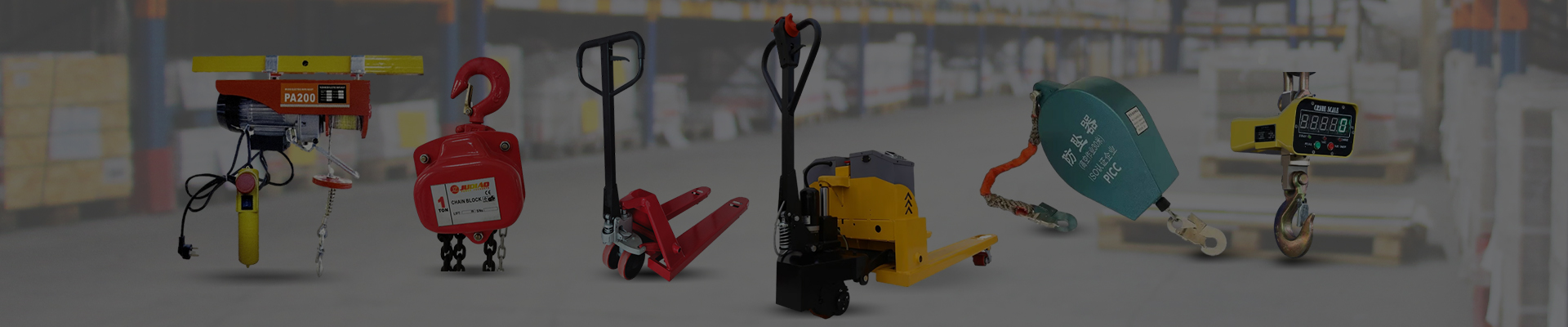


Having spent a good chunk of my career in the industrial equipment sector, I’ve seen a lot of lifting devices come and go, but chain pulley blocks, especially the 500 kg chain pulley block, have a special place on site and in the workshop. Oddly enough, it’s their simplicity that keeps them relevant despite newer tech innovations.
In real terms, a 500 kg capacity hits a sweet spot — strong enough for many medium-duty lifting tasks but still compact and easy to handle. You know, in environments cluttered with gear and tight spaces, bulky equipment just won’t do. A unit that feels solid but not cumbersome is invaluable.
Let me share what I’ve learned about these blocks over the years. First off, their design hasn't changed dramatically—and that’s because it works. A chain pulley block generally consists of a steel shell housing hardened gears and a precision-engineered chain. Robust materials like heat-treated alloy steel give it longevity under heavy loads.
Many engineers I know swear by the durability of the load chain. It’s usually made of high-quality zinc-plated steel to resist corrosion, which is a godsend if you’re working outdoors or in humid conditions. Having rigged numerous lifting assemblies, I’ve noticed that a smoothly operating chain block prevents accidents and downtime. This is quite critical considering safety is paramount.
| Specification | Details |
|---|---|
| Rated Capacity | 500 kilograms (0.5 tonnes) |
| Load Chain Material | Heat-treated zinc-plated alloy steel |
| Load Chain Diameter | 6 mm |
| Lift Height | 3 meters (standard) |
| Safety Factor | 4:1 |
| Operation | Manual hand chain |
One thing that often surprises newcomers is how much maintenance these chain blocks require to stay safe and efficient. You do need to grease the gears and inspect the chain regularly for wear or deformation.
Speaking of maintenance, I recall a client incident where a neglected chain block led to a small but costly delay. After some discussion, the maintenance crew switched to a brand offering better corrosion resistance and spare parts availability. Frankly, that investment paid off in smooth operations and fewer replacements.
| Vendor | Material Quality | Load Chain Corrosion Resistance | Price Range (USD) | Warranty |
|---|---|---|---|---|
| QYJULI | High-grade alloy steel | Excellent (zinc-plated) | $70 - $95 | 1 year |
| Vendor B | Medium quality carbon steel | Moderate (paint-coated) | $50 - $75 | 6 months |
| Vendor C | High-quality steel but inconsistent QC | Good (galvanized) | $85 - $110 | 1 year |
Customization options are often overlooked, but they do matter. For instance, you can find 500 kg blocks with extended lift heights, special chain types for aggressive environments, or hooks designed for specific rigging needs. I suppose that really speaks to an understanding of field practicalities.
From my experience, operators value reliability above flashy extras. When you depend on a tool to hoist half a ton safely day in and day out, trust is everything.
So yes, a 500 kg chain pulley block may seem like a straightforward tool. Yet behind its rugged exterior is decades of engineering refinement and lessons learned on factory floors and construction sites worldwide.
In summary: if you’re scouting for a hoist that balances strength, simplicity, and price, the 500 kg chain pulley block is a perennial choice. It’s the kind of gear that, when properly maintained, just stays out of your way and gets the job done.
A small takeaway? Never underestimate the power of a well-built classic.


 Afrikaans
 Albanian
 Amharic
 Arabic
 Armenian
 Azerbaijani
 Basque
 Belarusian
 Bengali
 Bosnian
 Bulgarian
 Catalan
 Cebuano
 China
China
 China (Taiwan)
 Corsican
 Croatian
 Czech
Czech
 Danish
 Dutch
Dutch
 Esperanto
 Estonian
 Finnish
 French
 Frisian
 Galician
 Georgian
 German
 Greek
Greek
 Gujarati
 Haitian Creole
 Hausa
Hausa
 Hawaiian
 Hebrew
 Hindi
Hindi
 Miao
Miao
 Hungarian
 Icelandic
 Igbo
Igbo
 Indonesian
 Irish
Irish
 Italian
 Japanese
 Javanese
 Kannada
 Kazakh
 Khmer
Khmer
 Rwandese
 Korean
 Kurdish
 Kyrgyz
 Lao
Lao
 Latin
Latin
 Latvian
 Lithuanian
 Luxembourgish
 Macedonian
 Malgashi
 Malay
Malay
 Malayalam
 Maltese
 Maori
Maori
 Marathi
 Mongolian
 Myanmar
 Nepali
 Norwegian
 Norwegian
 Occitan
 Pashto
 Persian
 Polish
 Portuguese
 Punjabi
 Romanian
 Russian
 Samoan
 Scottish Gaelic
 Serbian
 Sesotho
 Shona
Shona
 Sindhi
 Sinhala
 Slovak
 Slovenian
 Somali
 Spanish
 Sundanese
 Swahili
 Swedish
 Tagalog
 Tajik
Tajik
 Tamil
Tamil
 Tatar
Tatar
 Telugu
 Thai
Thai
 Turkish
 Turkmen
 Ukrainian
 Urdu
Urdu
 Uighur
 Uzbek
Uzbek
 Vietnamese
 Welsh
Welsh
 Bantu
Bantu
 Yiddish
 Yoruba
 Zulu
Zulu
 English