

Fall protection is paramount across numerous industries, ensuring worker safety and minimizing potential hazards. As a leading fall protection supplier, we understand the critical importance of reliable, high-quality equipment and comprehensive safety solutions. The global need for effective fall protection stems from increasing industrialization, construction, and infrastructure development, coupled with stringent safety regulations and a growing awareness of workplace risks. Investing in robust fall protection systems isn't just about compliance; it's about protecting lives and fostering a culture of safety.
The demand for advanced fall protection solutions is escalating worldwide, driven by the increasing complexity of work at height. From oil and gas platforms to wind turbine maintenance, and from construction sites to telecommunication towers, professionals require dependable equipment to prevent falls – the leading cause of workplace fatalities. The role of a reputable fall protection supplier extends beyond simply providing products; it encompasses training, inspection services, and ongoing support to ensure systems are properly implemented and maintained.
The benefits of prioritizing fall protection are multifaceted. Beyond the moral imperative of safeguarding workers, effective fall protection programs reduce lost workdays due to injuries, lower insurance premiums, and enhance a company’s reputation for prioritizing employee well-being. Choosing the right fall protection supplier is therefore a strategic decision that impacts both the bottom line and the long-term success of any organization operating at height.
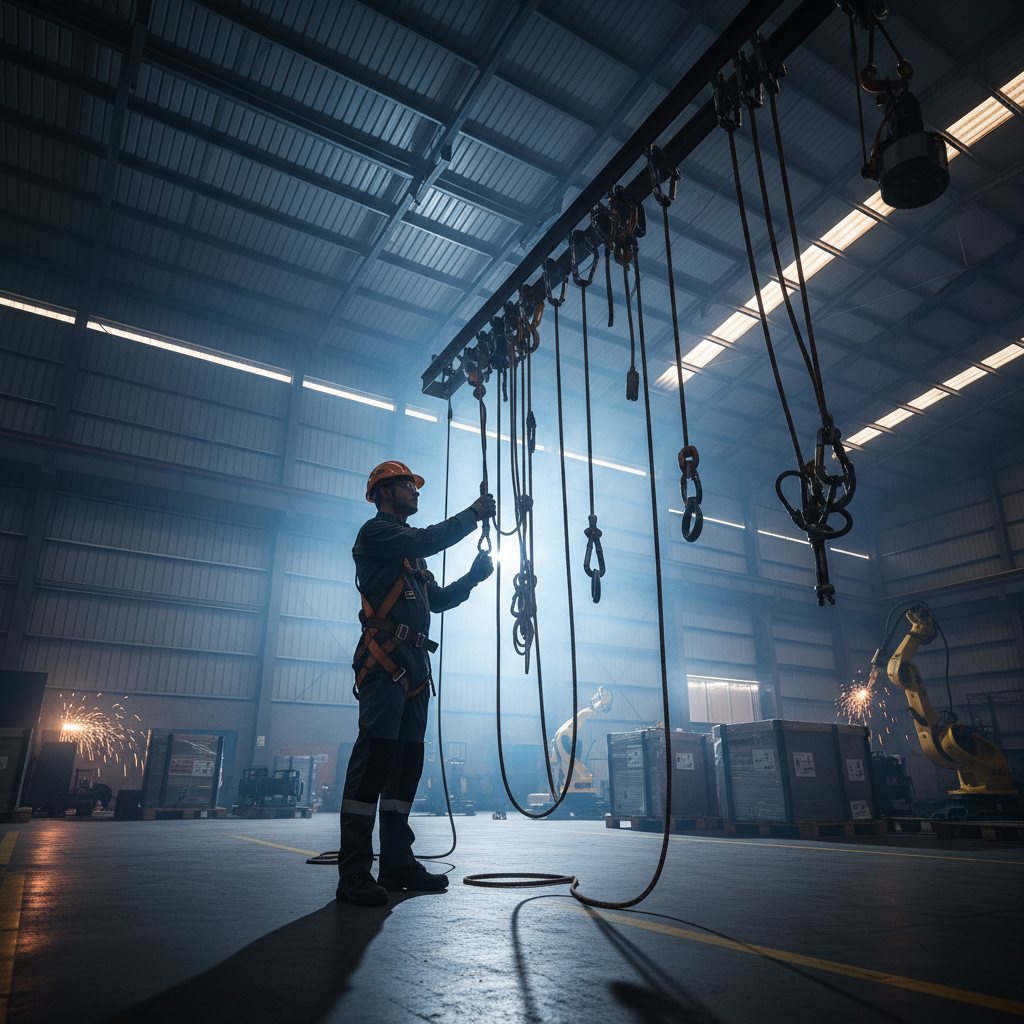
According to the International Labour Organization (ILO), approximately 631,000 workers die each year due to occupational accidents. A significant portion of these fatalities are attributed to falls from height. This statistic underscores the critical global need for effective fall protection systems and reliable fall protection suppliers. The World Bank’s investment in infrastructure projects across developing nations further increases the demand for stringent safety standards, placing a greater emphasis on high-quality fall protection equipment.
The economic impact of falls is also substantial. Beyond the human cost, falls result in significant healthcare expenses, lost productivity, and potential legal liabilities for companies. A competent fall protection supplier plays a pivotal role in mitigating these risks by providing not only products, but also training and consultation services that promote a proactive safety culture.
A comprehensive fall protection supplier should offer a diverse range of solutions, including personal fall arrest systems (harnesses, lanyards, anchors), collective fall protection (guardrails, safety nets), and specialized systems for confined spaces or rescue operations. They should also provide components for creating customized systems tailored to specific worksite needs and regulations. Proper system selection is crucial for ensuring effective fall protection.
Fall protection equipment must be inspected regularly to ensure its continued effectiveness. A competent person should perform a visual inspection before each use, looking for signs of damage, wear, or corrosion. A more detailed inspection should be conducted annually, or as dictated by OSHA or ANSI standards, by a qualified professional. Proper record-keeping of inspections is essential.
Workers exposed to fall hazards must receive thorough training on fall protection procedures. This training should cover hazard recognition, proper use and inspection of equipment, fall arrest techniques, and emergency rescue procedures. The training should be conducted by a qualified trainer and documented appropriately. Refresher training should be provided periodically.
Several key standards govern fall protection equipment. In the United States, OSHA regulations (29 CFR 1926 Subpart M) are paramount. ANSI Z359 provides specific requirements for various types of fall protection equipment. International standards, such as EN 361 and EN 353, are relevant in other regions. A fall protection supplier should ensure its products meet all applicable standards.
Selecting the correct anchor point is critical for the effectiveness of a fall arrest system. Anchor points must be capable of supporting at least 5,000 pounds per worker attached, or meet the specific requirements outlined in OSHA/ANSI standards. A qualified person should assess the structural integrity of the anchor point and ensure it is properly rated. Incorrect anchor point selection can lead to system failure.
Fall arrest systems stop a worker after a fall has occurred, using a harness, lanyard, and anchor point. Fall restraint systems prevent a worker from reaching a fall hazard in the first place, using a lanyard that is short enough to limit access to the edge. Choosing between fall arrest and fall restraint depends on the specific work situation and hazard assessment. A fall protection supplier can help evaluate the best approach.
In conclusion, prioritizing fall protection is not merely a matter of compliance but a fundamental ethical and economic imperative. A reliable fall protection supplier provides more than just equipment; they offer expertise, training, and ongoing support to create a truly safe work environment. Investing in quality fall protection systems safeguards lives, minimizes costs, and builds a culture of safety within any organization.
Looking ahead, the integration of innovative technologies and a commitment to sustainability will continue to drive advancements in fall protection. By partnering with a forward-thinking supplier, businesses can stay ahead of the curve and ensure their workers are protected by the most effective and efficient solutions available. Visit our website today to learn more and discover how we can help you elevate your safety standards: www.qyjuli.com



 Afrikaans
 Albanian
 Amharic
 Arabic
 Armenian
 Azerbaijani
 Basque
 Belarusian
 Bengali
 Bosnian
 Bulgarian
 Catalan
 Cebuano
 China
China
 China (Taiwan)
 Corsican
 Croatian
 Czech
Czech
 Danish
 Dutch
Dutch
 Esperanto
 Estonian
 Finnish
 French
 Frisian
 Galician
 Georgian
 German
 Greek
Greek
 Gujarati
 Haitian Creole
 Hausa
Hausa
 Hawaiian
 Hebrew
 Hindi
Hindi
 Miao
Miao
 Hungarian
 Icelandic
 Igbo
Igbo
 Indonesian
 Irish
Irish
 Italian
 Japanese
 Javanese
 Kannada
 Kazakh
 Khmer
Khmer
 Rwandese
 Korean
 Kurdish
 Kyrgyz
 Lao
Lao
 Latin
Latin
 Latvian
 Lithuanian
 Luxembourgish
 Macedonian
 Malgashi
 Malay
Malay
 Malayalam
 Maltese
 Maori
Maori
 Marathi
 Mongolian
 Myanmar
 Nepali
 Norwegian
 Norwegian
 Occitan
 Pashto
 Persian
 Polish
 Portuguese
 Punjabi
 Romanian
 Russian
 Samoan
 Scottish Gaelic
 Serbian
 Sesotho
 Shona
Shona
 Sindhi
 Sinhala
 Slovak
 Slovenian
 Somali
 Spanish
 Sundanese
 Swahili
 Swedish
 Tagalog
 Tajik
Tajik
 Tamil
Tamil
 Tatar
Tatar
 Telugu
 Thai
Thai
 Turkish
 Turkmen
 Ukrainian
 Urdu
Urdu
 Uighur
 Uzbek
Uzbek
 Vietnamese
 Welsh
Welsh
 Bantu
Bantu
 Yiddish
 Yoruba
 Zulu
Zulu
 English