

Look, I've spent twenty years on construction sites, knee-deep in dust and dealing with everything from tight deadlines to even tighter budgets. And let me tell you, moving materials efficiently isn't just about getting the job done; it's about safety, saving time, and ultimately, saving money. That’s where the low level pallet truck comes in. It's not glamorous, but it's the workhorse of any serious operation. We're talking about a fundamental piece of kit that, when chosen right, can dramatically improve workflow, especially when you’re facing space constraints or need precise maneuvering. low level pallet truck isn’t just a piece of equipment; it's an investment in productivity.
I’ve seen crews waste hours wrestling with awkward loads, trying to navigate narrow aisles, or struggling with trucks that simply aren’t built for the job. The result? Increased risk of injury, damaged goods, and projects running over schedule. A good low level pallet truck, the kind that's designed with the operator in mind, addresses all of these problems head-on. It's about minimizing strain, maximizing control, and getting materials where they need to be, safely and efficiently. It's often the small things, like the right truck, that make or break a project.
Over the years, the market has evolved. You now have everything from basic manual models to sophisticated electric versions with features like proportional lifting and steering. The key is finding the truck that matches the specific needs of your operation. There's no one-size-fits-all solution. You've got to consider the load capacity, the aisle width, the floor surface, and the operator's skill level. Picking the right low level pallet truck is critical.
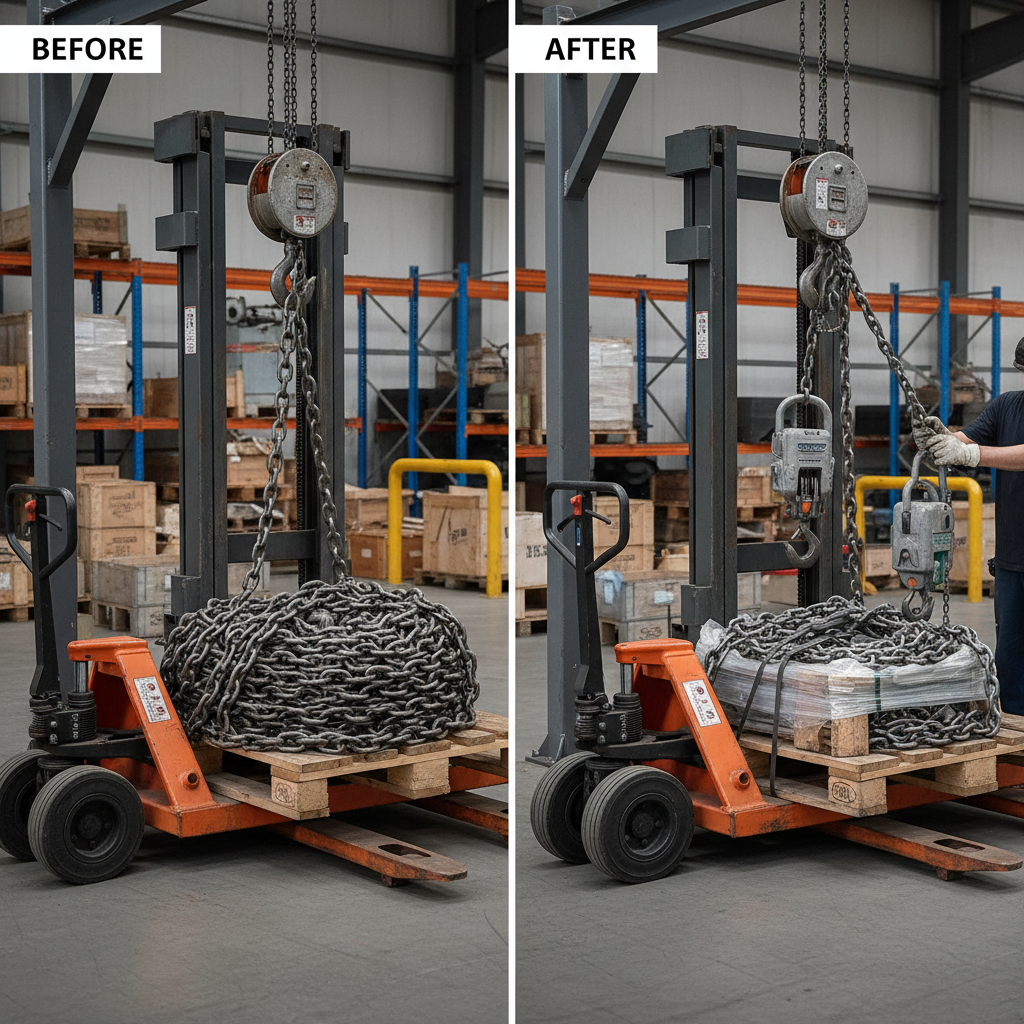
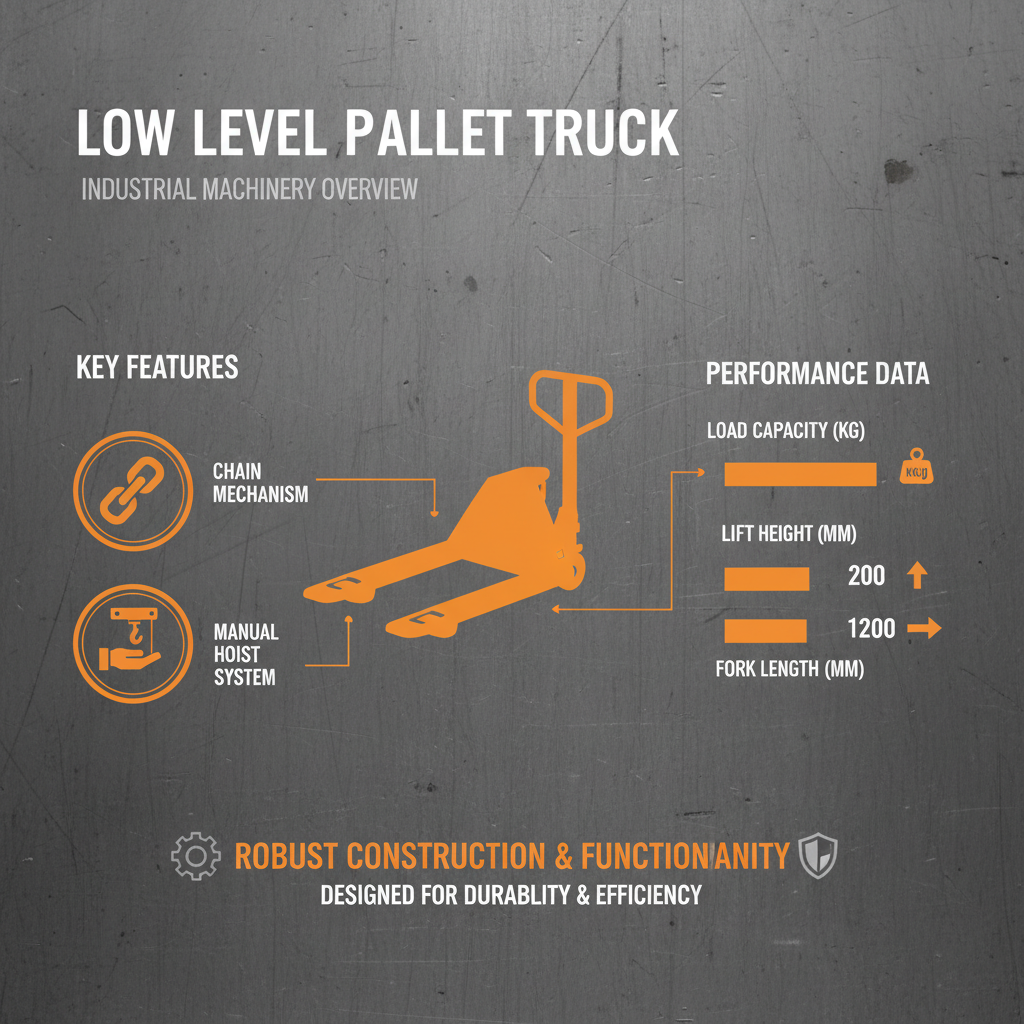
Let’s be frank: modern construction is a logistical puzzle. The demand for faster build times, coupled with increasingly complex designs and stricter safety regulations, means we need tools that can keep up. A low level pallet truck isn’t just about moving pallets; it's a key component of a streamlined material handling system. Think about it - less manual handling, reduced risk of dropped loads, and faster cycle times. That translates to real savings.
The need is growing globally. According to recent data from the UN, construction output is projected to increase by [insert realistic statistic, e.g., 5%] annually over the next decade. This means more materials, more deliveries, and more pressure on logistics. Investing in the right material handling equipment, starting with the basics like a solid low level pallet truck, is crucial for staying competitive.
With consistent maintenance—regular lubrication, inspections, and timely repairs—a robust low level pallet truck can easily last 5-10 years, even in demanding environments. Electric models often have a slightly longer lifespan due to fewer moving parts. Key is preventative care and addressing minor issues before they escalate. Proper storage when not in use also significantly extends its lifespan.
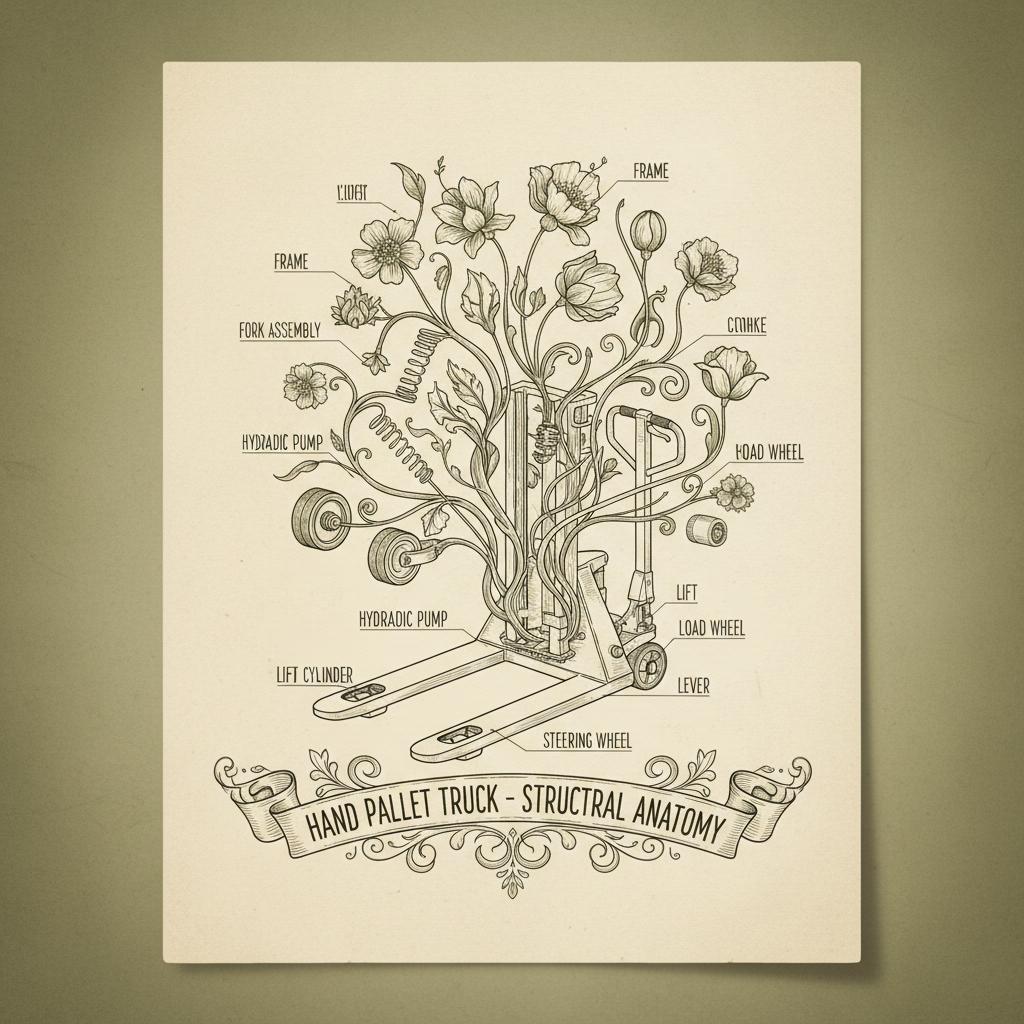
Fork length is crucial for stability. The forks should be at least half the length of the pallet they'll be handling, ideally closer to two-thirds. Too short, and the load becomes unstable; too long, and maneuverability is compromised. Consider the type of pallets you commonly use and choose forks that provide adequate support without hindering operation in your workspace.
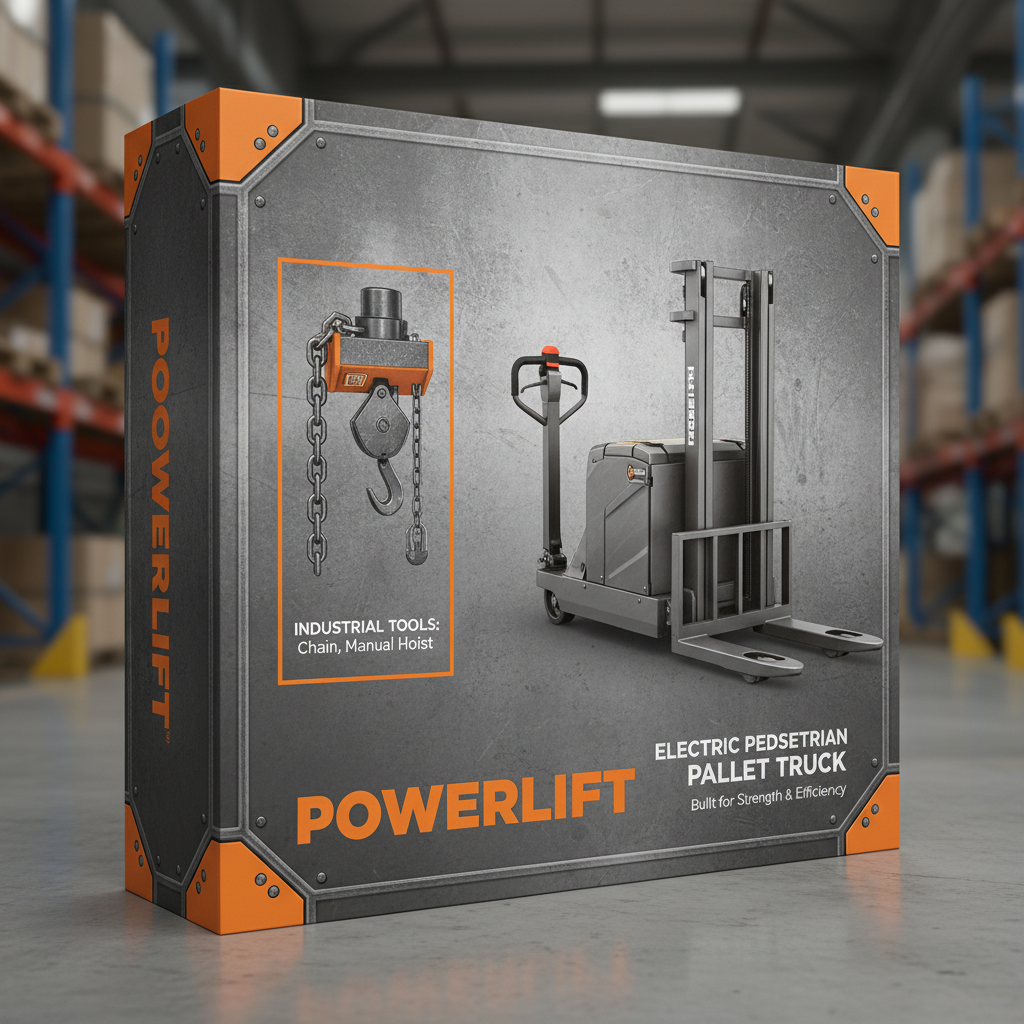
Electric models require less physical effort, reducing operator fatigue and increasing productivity, particularly when handling heavy loads over long distances. They also operate more quietly and produce zero emissions, improving workplace air quality. However, they typically have a higher upfront cost and require battery maintenance. It's a trade-off between initial investment and long-term operational benefits.
I recommend a quick daily inspection before each shift. Check the forks for damage, wheels for wear, and the hydraulic system for leaks. A more thorough inspection, including lubrication and tightening of bolts, should be performed monthly or after every 50-100 hours of use. Keep a log of inspections and repairs for tracking maintenance history.
Always wear appropriate safety footwear. Never exceed the truck’s load capacity. Keep a clear path of travel and avoid sudden stops or turns. Be aware of your surroundings and pedestrians. Never allow untrained personnel to operate the truck. And ensure the load is stable and evenly distributed before moving it.
While not always legally mandated, providing formal training and certification is highly recommended. OSHA offers guidelines for safe forklift operation, and many companies provide specific training for pallet truck operators. This training should cover safe operating procedures, load handling techniques, and preventative maintenance. A trained operator is a safe and productive operator.
Let's be clear: a low level pallet truck isn’t just a piece of equipment; it’s a foundational element of efficient and safe material handling. We’ve covered everything from its core components and diverse applications to the future of its technology. Investing in the right truck, properly maintaining it, and ensuring operator training are all critical for maximizing its value and minimizing risk.
Looking ahead, I expect to see even more innovation in this space, with a focus on automation, sustainability, and smart features. By staying informed about the latest advancements and prioritizing safety and efficiency, you can ensure your operation is well-equipped to meet the challenges of tomorrow. For quality solutions and expert advice, visit our website: www.qyjuli.com.



 Afrikaans
 Albanian
 Amharic
 Arabic
 Armenian
 Azerbaijani
 Basque
 Belarusian
 Bengali
 Bosnian
 Bulgarian
 Catalan
 Cebuano
 China
China
 China (Taiwan)
 Corsican
 Croatian
 Czech
Czech
 Danish
 Dutch
Dutch
 Esperanto
 Estonian
 Finnish
 French
 Frisian
 Galician
 Georgian
 German
 Greek
Greek
 Gujarati
 Haitian Creole
 Hausa
Hausa
 Hawaiian
 Hebrew
 Hindi
Hindi
 Miao
Miao
 Hungarian
 Icelandic
 Igbo
Igbo
 Indonesian
 Irish
Irish
 Italian
 Japanese
 Javanese
 Kannada
 Kazakh
 Khmer
Khmer
 Rwandese
 Korean
 Kurdish
 Kyrgyz
 Lao
Lao
 Latin
Latin
 Latvian
 Lithuanian
 Luxembourgish
 Macedonian
 Malgashi
 Malay
Malay
 Malayalam
 Maltese
 Maori
Maori
 Marathi
 Mongolian
 Myanmar
 Nepali
 Norwegian
 Norwegian
 Occitan
 Pashto
 Persian
 Polish
 Portuguese
 Punjabi
 Romanian
 Russian
 Samoan
 Scottish Gaelic
 Serbian
 Sesotho
 Shona
Shona
 Sindhi
 Sinhala
 Slovak
 Slovenian
 Somali
 Spanish
 Sundanese
 Swahili
 Swedish
 Tagalog
 Tajik
Tajik
 Tamil
Tamil
 Tatar
Tatar
 Telugu
 Thai
Thai
 Turkish
 Turkmen
 Ukrainian
 Urdu
Urdu
 Uighur
 Uzbek
Uzbek
 Vietnamese
 Welsh
Welsh
 Bantu
Bantu
 Yiddish
 Yoruba
 Zulu
Zulu
 English