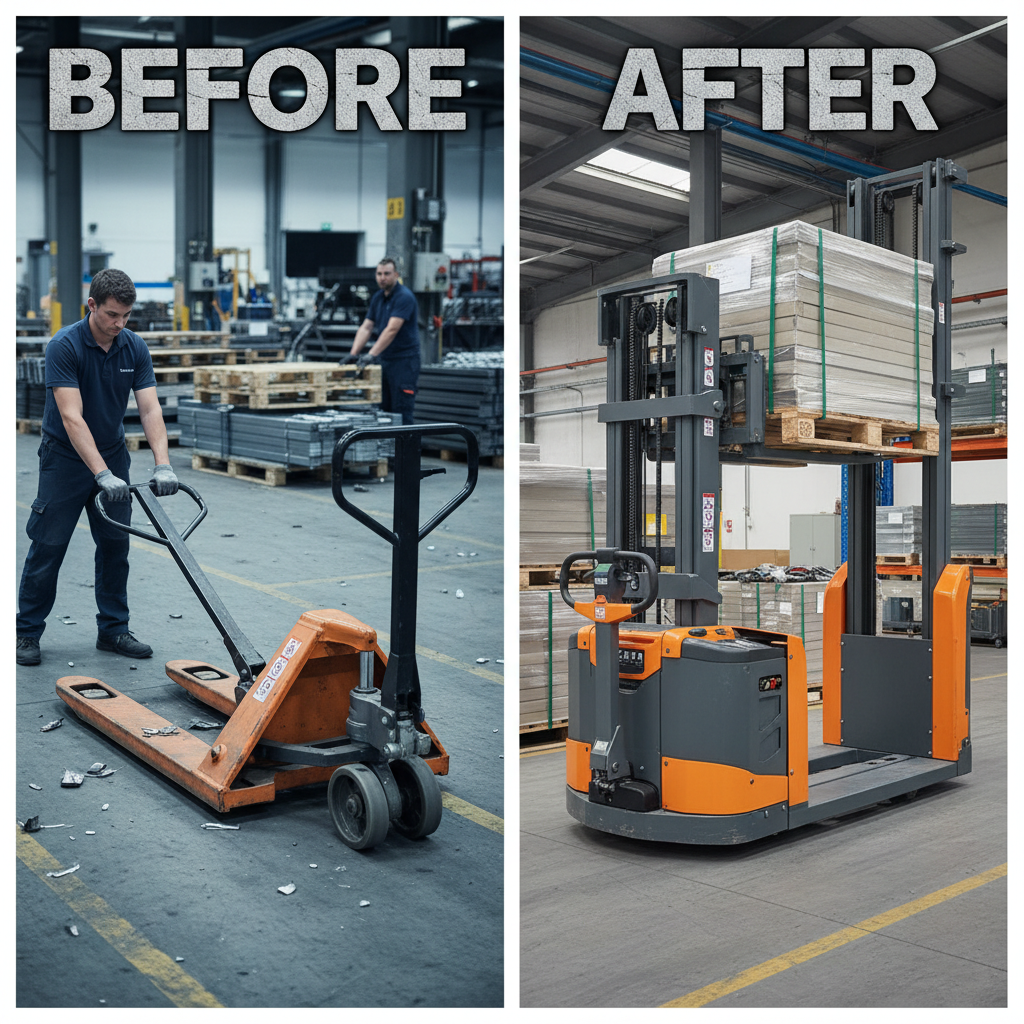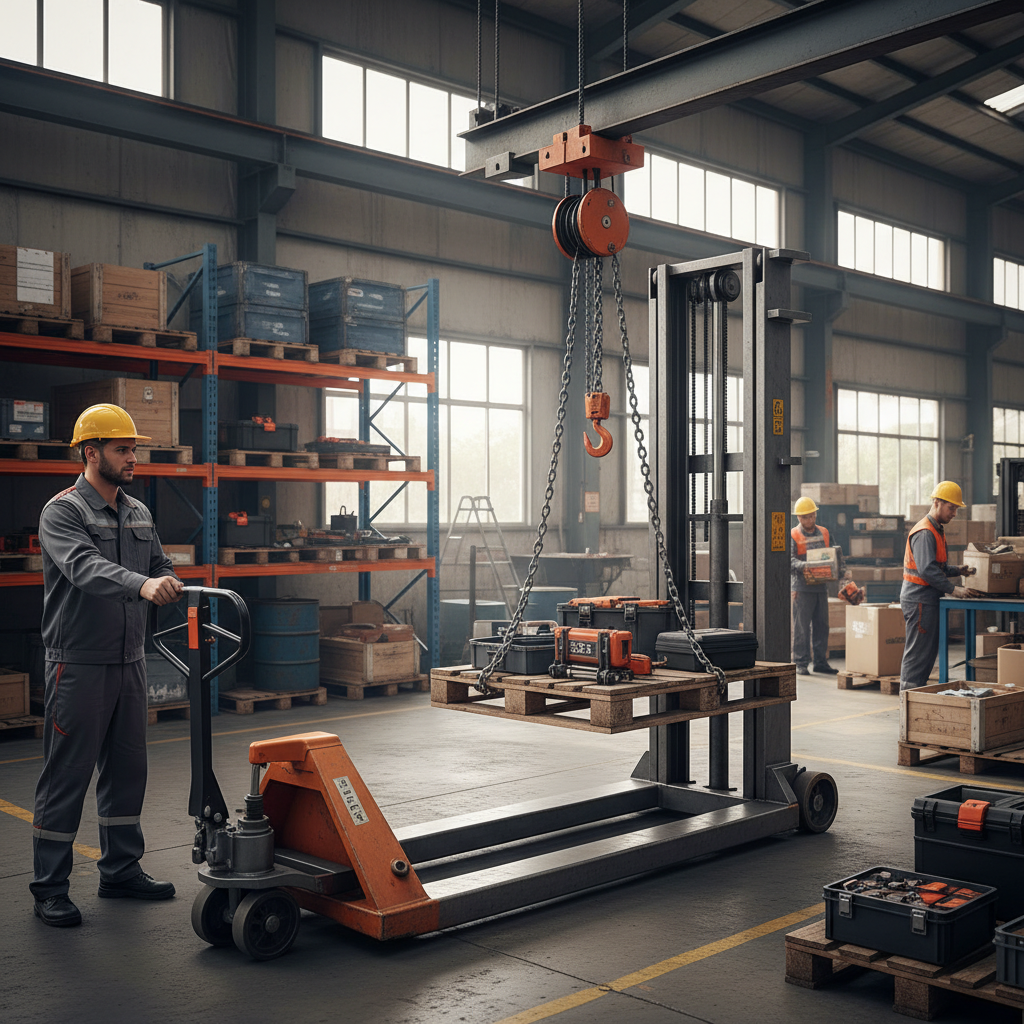


To be honest, these days everyone's talking about automation, smart factories, Industry 4.0… sounds fancy, right? But out on the sites, what I’m seeing is a real push for just…reliable stuff. Less about robots taking over and more about making sure the hand pallet truck doesn’t break down mid-shift. It’s a bit of a grounding effect, actually. We’re a hand pallet truck manufacturer, and people just need things that work.
Have you noticed how many companies try to over-engineer these things? They chase the latest materials, the most complex mechanisms… only to find it creates more problems. I encountered this at a factory in Ningbo last time – beautiful pallet truck, carbon fiber everything… but the floor was slightly uneven, and the whole thing just shuddered to a halt. Turns out, a bit of flex is a good thing. You need something that can take a beating, and a little give is way better than rigid perfection.
Anyway, I think the core of a good hand pallet truck is still in the basics. The steel… oh, the steel. We use Q235, mostly. It smells like…well, steel, obviously. A bit oily, a bit metallic. It’s got a good weight to it, you can feel the quality. Not too hard to weld, not too brittle. And the forks? Those have to be tough. We use 5mm thick plate, heat treated. Strangely, the cheaper ones always skimp on the fork thickness, and those are the ones that bend after a few months.
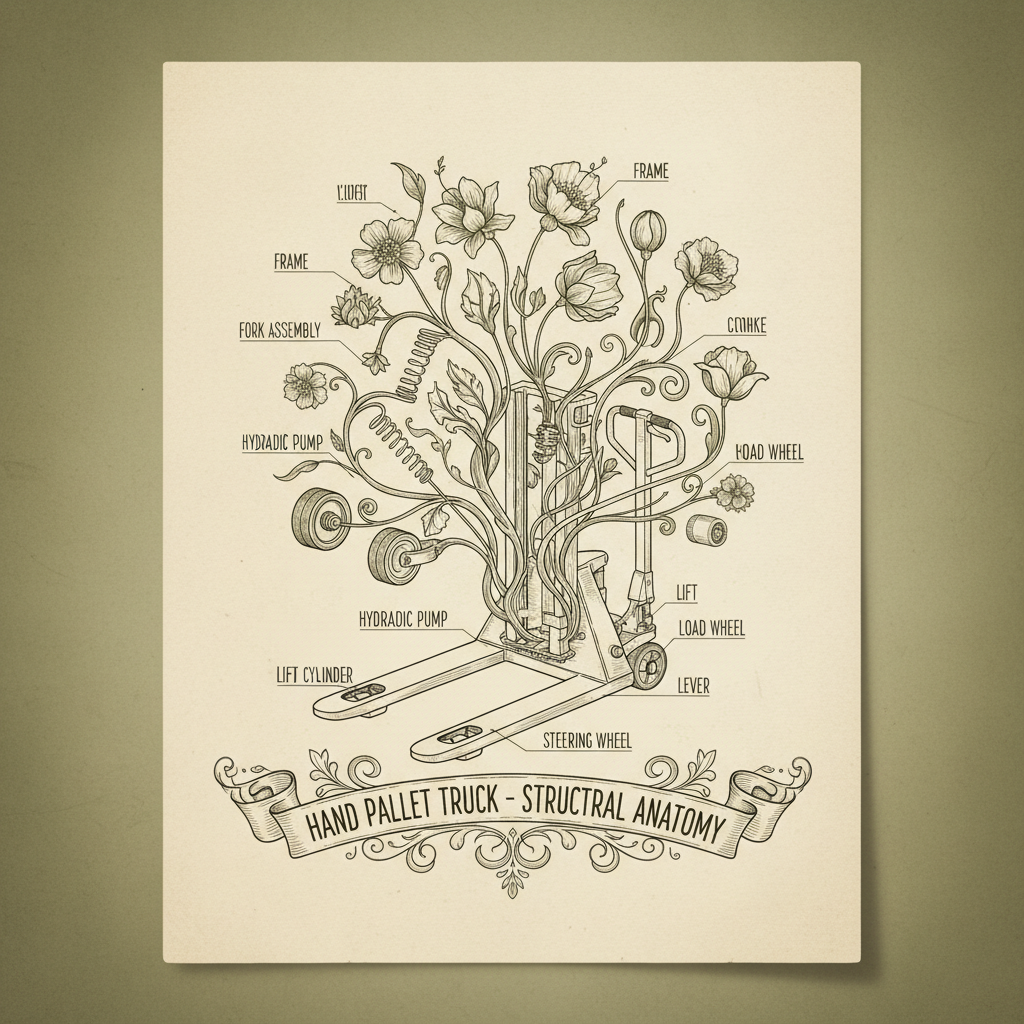
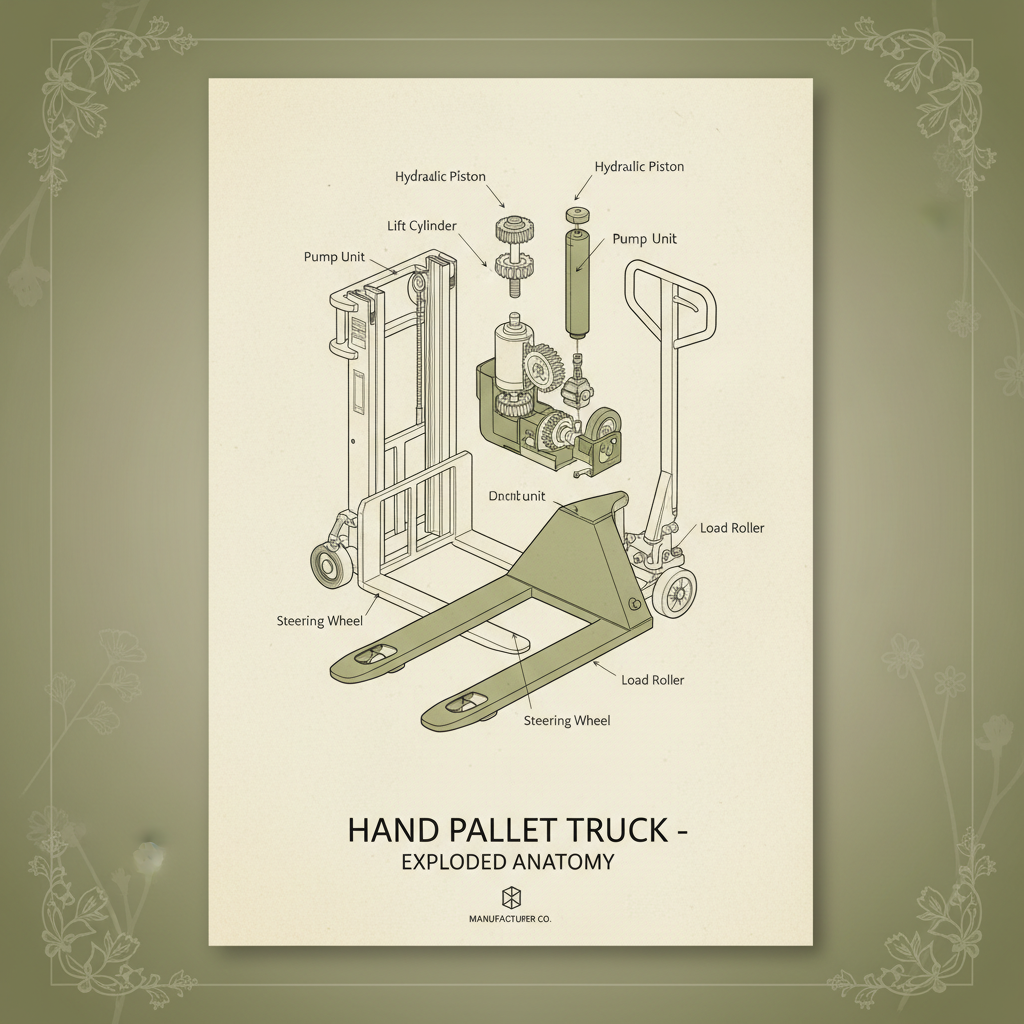
You know, everyone’s chasing lighter weights these days. Aluminum forks, plastic components… it’s all about reducing operator fatigue. Which is good, I guess. But often, it comes at the cost of durability. I’ve seen so many aluminum forks that bend just from regular use. It’s a trade-off, always. And honestly, a well-balanced, steel truck feels…solid. More confidence inspiring. Later… Forget it, I won't mention the one with the plastic wheels.
The biggest pitfall? Ignoring the environment. These things aren't used in sterile warehouses. They're out in loading docks, on uneven floors, sometimes even outside in the rain. Designing for perfect conditions is a recipe for disaster.
Our standard hand pallet trucks have a weight capacity of 2.5 tons (5,500 lbs). However, we offer models with higher capacities up to 3 tons. It's important to choose a truck that can safely handle the weight of your typical loads to ensure both safety and longevity. We always recommend a slight margin of safety, and regularly inspect the load limits based on actual usage.
The hydraulic systems require relatively minimal maintenance. We recommend checking the oil level every 6 months and replacing the hydraulic oil every 1-2 years, depending on usage frequency. Regular use in dusty environments might require more frequent oil changes. Also, it's crucial to visually inspect the hoses and connections for leaks. Don’t ignore a small leak – fix it immediately!
The lifespan of a hand pallet truck varies greatly depending on usage and maintenance. With regular maintenance and proper handling, a well-built truck can easily last 5-10 years. However, heavy-duty use in harsh environments may shorten its lifespan. The key is to address any issues promptly and avoid overloading the truck.
Yes, we offer a range of customization options for the forks, including length, width, and material. We can also add special coatings for corrosion resistance. We frequently customize fork lengths to accommodate specific pallet sizes or load requirements. Just let us know your needs, and we’ll do our best to accommodate them.
We offer a 1-year warranty on all our standard hand pallet trucks, covering defects in materials and workmanship. The warranty does not cover damage caused by misuse, overload, or improper maintenance. We also offer extended warranties for certain models. We stand behind our products, and we're committed to providing excellent customer support.
Yes, we offer specific models designed for cold storage environments. These trucks feature special hydraulic oil that remains fluid at low temperatures and corrosion-resistant coatings to prevent damage from moisture. Standard models may experience reduced performance in extremely cold conditions.
Ultimately, a good hand pallet truck isn’t about fancy features or cutting-edge technology. It's about reliability, durability, and simplicity. It needs to be able to withstand the daily grind, handle the weight, and keep moving. It’s the unglamorous hero of the warehouse, the silent workhorse that keeps the supply chain flowing.
And in the end, whether this thing works or not, the worker will know the moment he tightens the screw. That’s what matters. Visit our website at www.qyjuli.com to find the perfect hand pallet truck for your needs.



 Afrikaans
 Albanian
 Amharic
 Arabic
 Armenian
 Azerbaijani
 Basque
 Belarusian
 Bengali
 Bosnian
 Bulgarian
 Catalan
 Cebuano
 China
China
 China (Taiwan)
 Corsican
 Croatian
 Czech
Czech
 Danish
 Dutch
Dutch
 Esperanto
 Estonian
 Finnish
 French
 Frisian
 Galician
 Georgian
 German
 Greek
Greek
 Gujarati
 Haitian Creole
 Hausa
Hausa
 Hawaiian
 Hebrew
 Hindi
Hindi
 Miao
Miao
 Hungarian
 Icelandic
 Igbo
Igbo
 Indonesian
 Irish
Irish
 Italian
 Japanese
 Javanese
 Kannada
 Kazakh
 Khmer
Khmer
 Rwandese
 Korean
 Kurdish
 Kyrgyz
 Lao
Lao
 Latin
Latin
 Latvian
 Lithuanian
 Luxembourgish
 Macedonian
 Malgashi
 Malay
Malay
 Malayalam
 Maltese
 Maori
Maori
 Marathi
 Mongolian
 Myanmar
 Nepali
 Norwegian
 Norwegian
 Occitan
 Pashto
 Persian
 Polish
 Portuguese
 Punjabi
 Romanian
 Russian
 Samoan
 Scottish Gaelic
 Serbian
 Sesotho
 Shona
Shona
 Sindhi
 Sinhala
 Slovak
 Slovenian
 Somali
 Spanish
 Sundanese
 Swahili
 Swedish
 Tagalog
 Tajik
Tajik
 Tamil
Tamil
 Tatar
Tatar
 Telugu
 Thai
Thai
 Turkish
 Turkmen
 Ukrainian
 Urdu
Urdu
 Uighur
 Uzbek
Uzbek
 Vietnamese
 Welsh
Welsh
 Bantu
Bantu
 Yiddish
 Yoruba
 Zulu
Zulu
 English