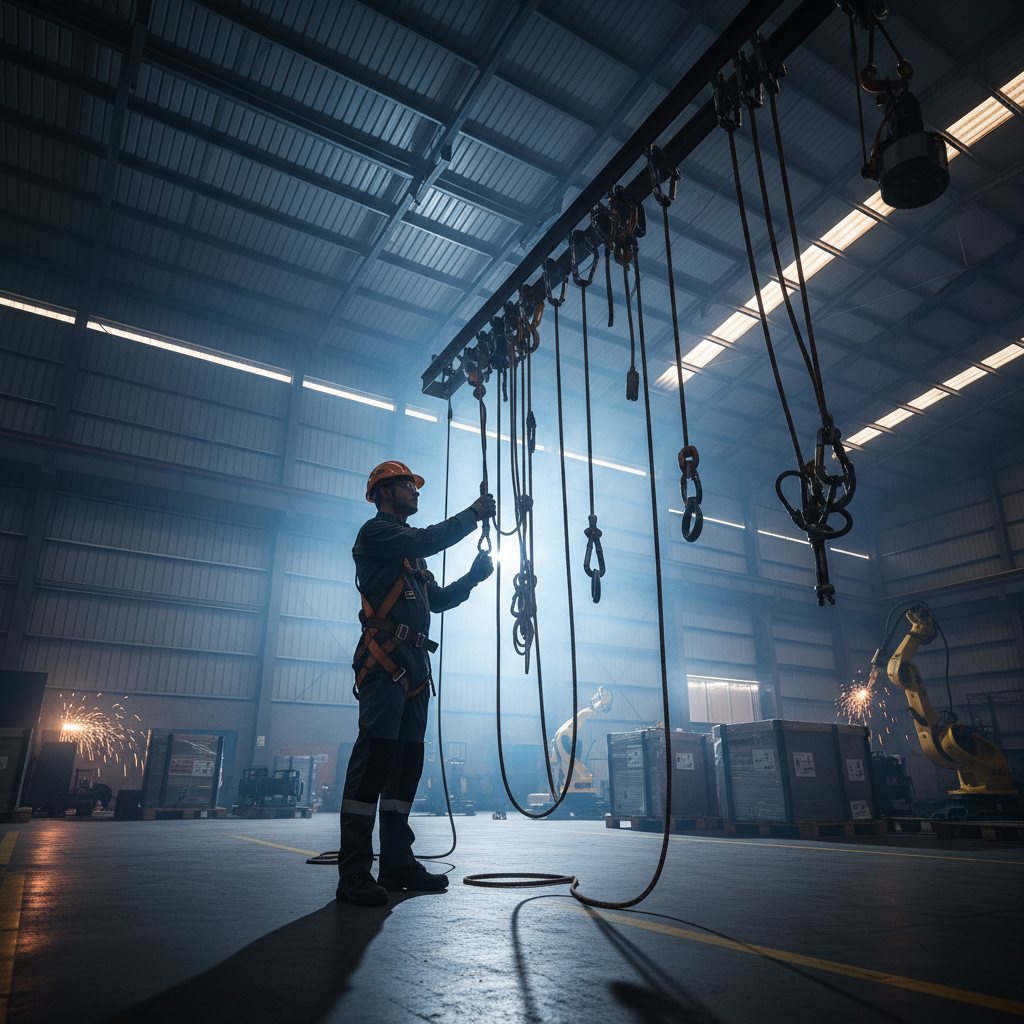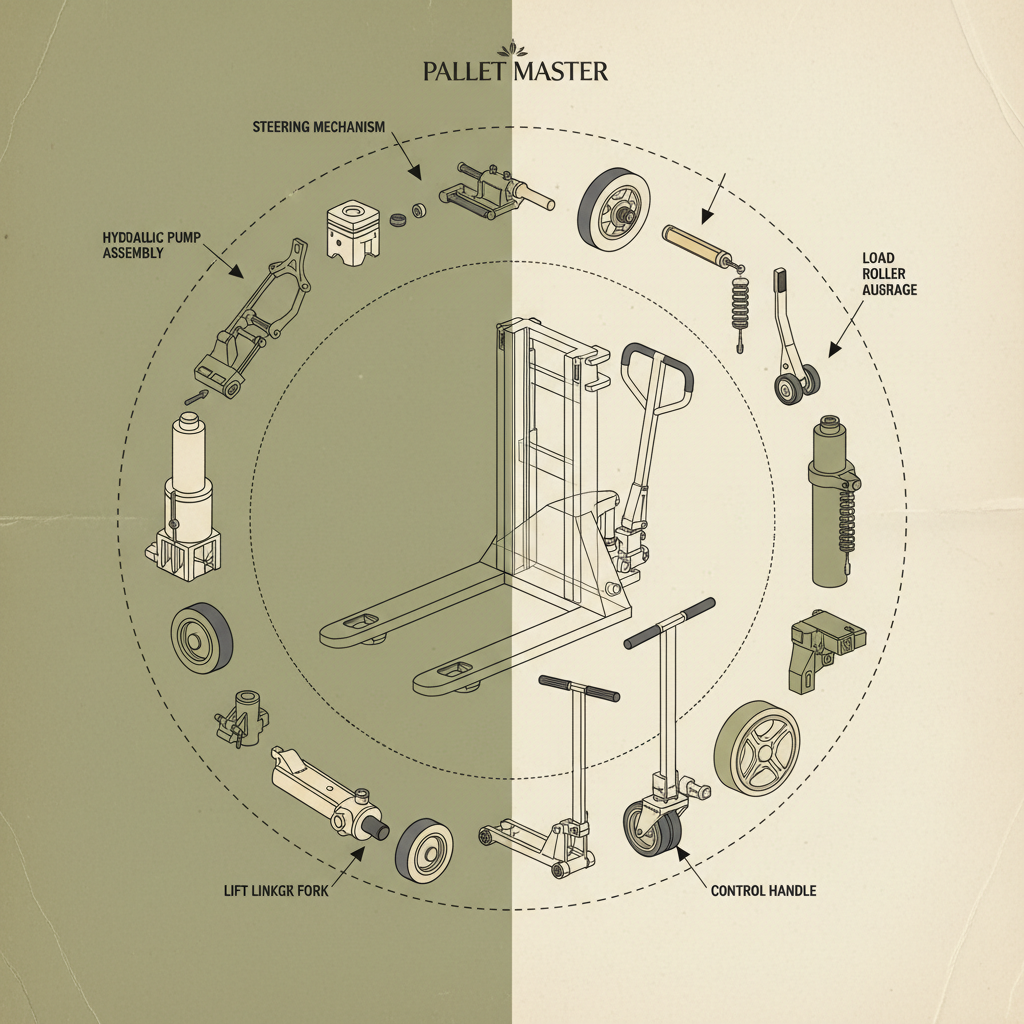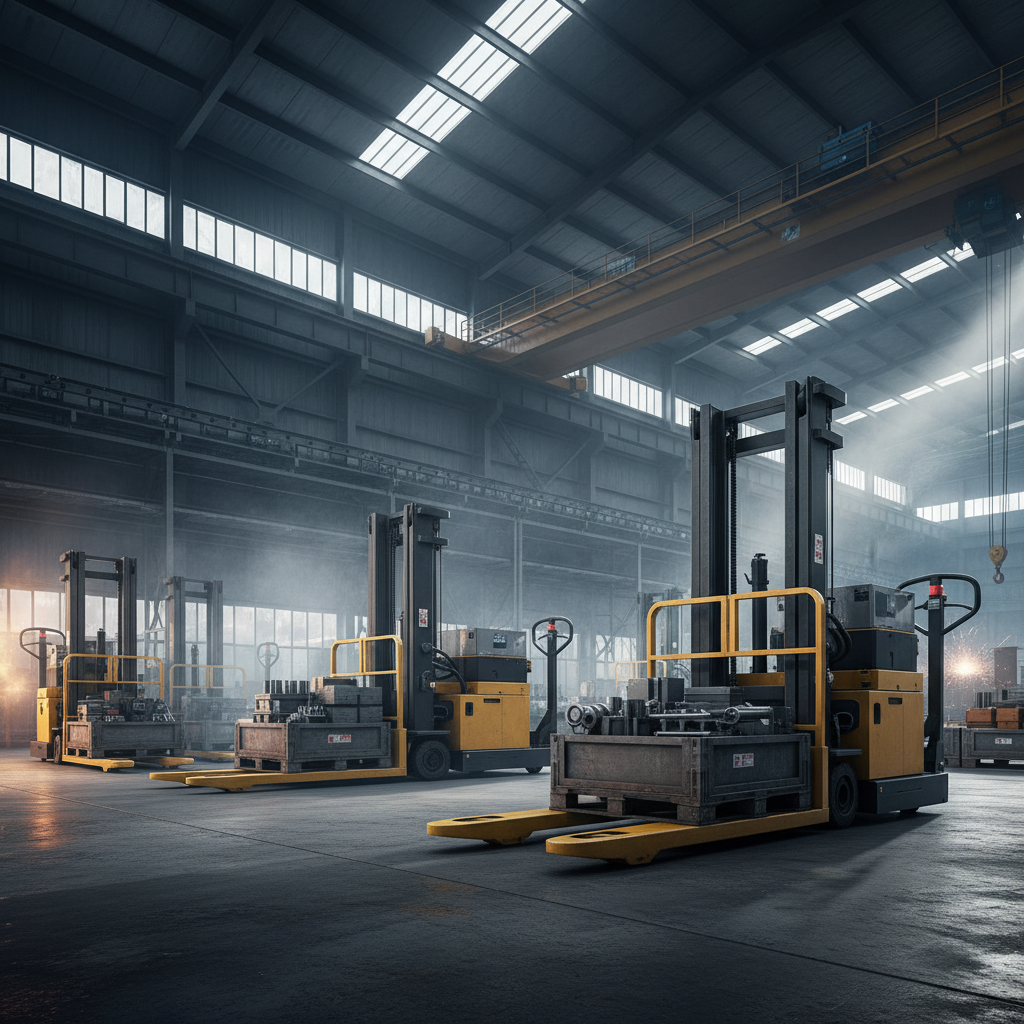


Let me tell you, after years spent on dusty construction sites, wrestling with logistics, and talking shop with engineers, a reliable way to move pallets is critical. It's not just about efficiency; it’s about safety, preventing bottlenecks, and frankly, saving your back. That’s where the electric pallet cart comes in. It's a simple concept, but a game-changer. We’ve seen a real shift in how materials are handled on sites, and these carts are leading the charge.
For too long, we've relied on manual labor or noisy, polluting forklifts for short-to-medium distance pallet movements. Manual methods are slow, prone to injury, and just aren’t scalable for larger projects. Forklifts? They're great for lifting heavy loads, but overkill for moving pallets across a staging area. Plus, indoor air quality and noise regulations are tightening, making traditional options less viable. An electric pallet cart bridges that gap – offering power and efficiency without the drawbacks.
What I’ve seen is a need for adaptability. Every site is different - tight corridors, uneven surfaces, fluctuating workloads. A single, “one-size-fits-all” solution rarely works. That's why the growing range of electric pallet carts, with varying capacities and features, is so promising. It’s about finding the right tool for the job, and more often than not, these carts are it.
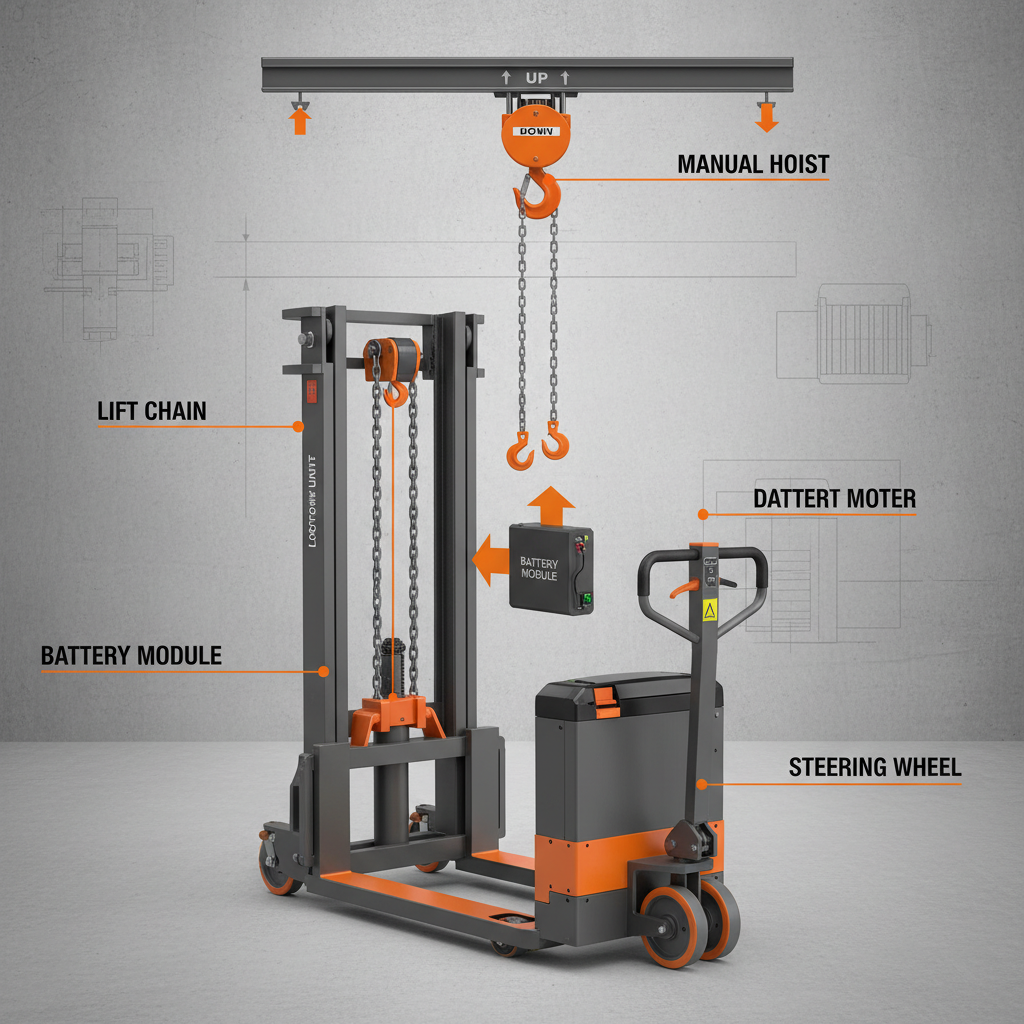
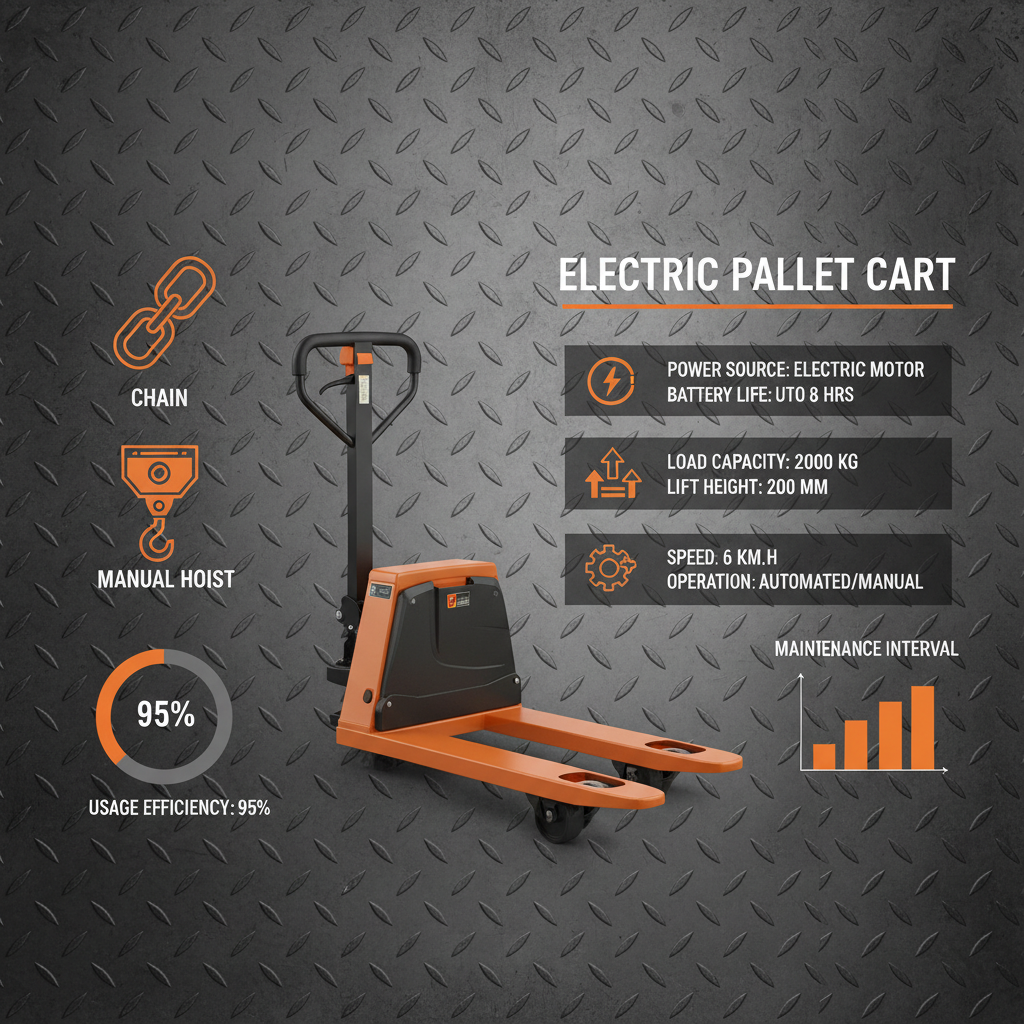
The heart of a good electric pallet cart is its simplicity and reliability. We’re talking durable frames, powerful motors, and long-lasting batteries. It's not about fancy features; it's about doing one job, and doing it well, day in and day out. What I look for first is build quality. You can tell a lot by how the welds look, the gauge of the steel, and the quality of the components.
Beyond the physical build, the control system is vital. Intuitive controls, smooth acceleration and braking, and responsive steering are all critical for operator safety and efficiency. It seems basic, but a poorly designed control system can quickly lead to accidents and frustration. And it must be easily maintainable - something the site crew can handle without needing a specialist every time something needs adjusting.
Battery life varies depending on load, terrain, and usage patterns, but most electric pallet carts offer between 6-8 hours of runtime on a single charge. Some models even feature fast-charging capabilities, allowing you to quickly get back to work. Proper battery maintenance is key to maximizing lifespan.
Many electric pallet carts are designed for both indoor and outdoor use. However, it’s essential to choose a model with appropriate tires and weather protection. Consider factors like ground conditions, temperature, and potential exposure to rain or dust when making your selection.
Regular maintenance is crucial for ensuring the longevity of your electric pallet cart. This includes checking tire pressure, lubricating moving parts, inspecting the battery, and ensuring the brakes are functioning correctly. Simple daily checks can prevent costly repairs down the road.
The weight capacity of electric pallet carts varies significantly depending on the model. You can find carts that handle loads from 2,500 lbs to upwards of 5,000 lbs or even more. It's critical to select a cart with a capacity that matches your specific needs and doesn’t exceed its limits.
Most electric pallet carts come equipped with safety features such as emergency stop buttons, horn, and speed limiters. Some models also have features like pedestrian warning lights and sensors to prevent collisions. Always prioritize operator training and safety protocols.
While the initial investment for an electric pallet cart is typically lower than a forklift, the overall cost-effectiveness depends on your specific needs. Carts excel in short-distance, repetitive tasks, whereas forklifts are more versatile for lifting and maneuvering heavier loads at greater heights. Consider your workload and application before making a decision.
In conclusion, the electric pallet cart isn’t just another piece of material handling equipment; it’s a practical solution to real-world challenges on construction sites, in warehouses, and beyond. Its combination of efficiency, safety, sustainability, and cost-effectiveness makes it an increasingly attractive option for businesses of all sizes. It represents a smart investment for streamlining operations and improving productivity.
Looking ahead, continued innovation in battery technology, automation, and integration with smart warehouse systems will further enhance the capabilities of these carts. I strongly suggest taking the time to assess your material handling needs and consider whether an electric pallet cart could be the right solution for your operation. Visit our website today to learn more and explore our range of models.



 Afrikaans
 Albanian
 Amharic
 Arabic
 Armenian
 Azerbaijani
 Basque
 Belarusian
 Bengali
 Bosnian
 Bulgarian
 Catalan
 Cebuano
 China
China
 China (Taiwan)
 Corsican
 Croatian
 Czech
Czech
 Danish
 Dutch
Dutch
 Esperanto
 Estonian
 Finnish
 French
 Frisian
 Galician
 Georgian
 German
 Greek
Greek
 Gujarati
 Haitian Creole
 Hausa
Hausa
 Hawaiian
 Hebrew
 Hindi
Hindi
 Miao
Miao
 Hungarian
 Icelandic
 Igbo
Igbo
 Indonesian
 Irish
Irish
 Italian
 Japanese
 Javanese
 Kannada
 Kazakh
 Khmer
Khmer
 Rwandese
 Korean
 Kurdish
 Kyrgyz
 Lao
Lao
 Latin
Latin
 Latvian
 Lithuanian
 Luxembourgish
 Macedonian
 Malgashi
 Malay
Malay
 Malayalam
 Maltese
 Maori
Maori
 Marathi
 Mongolian
 Myanmar
 Nepali
 Norwegian
 Norwegian
 Occitan
 Pashto
 Persian
 Polish
 Portuguese
 Punjabi
 Romanian
 Russian
 Samoan
 Scottish Gaelic
 Serbian
 Sesotho
 Shona
Shona
 Sindhi
 Sinhala
 Slovak
 Slovenian
 Somali
 Spanish
 Sundanese
 Swahili
 Swedish
 Tagalog
 Tajik
Tajik
 Tamil
Tamil
 Tatar
Tatar
 Telugu
 Thai
Thai
 Turkish
 Turkmen
 Ukrainian
 Urdu
Urdu
 Uighur
 Uzbek
Uzbek
 Vietnamese
 Welsh
Welsh
 Bantu
Bantu
 Yiddish
 Yoruba
 Zulu
Zulu
 English