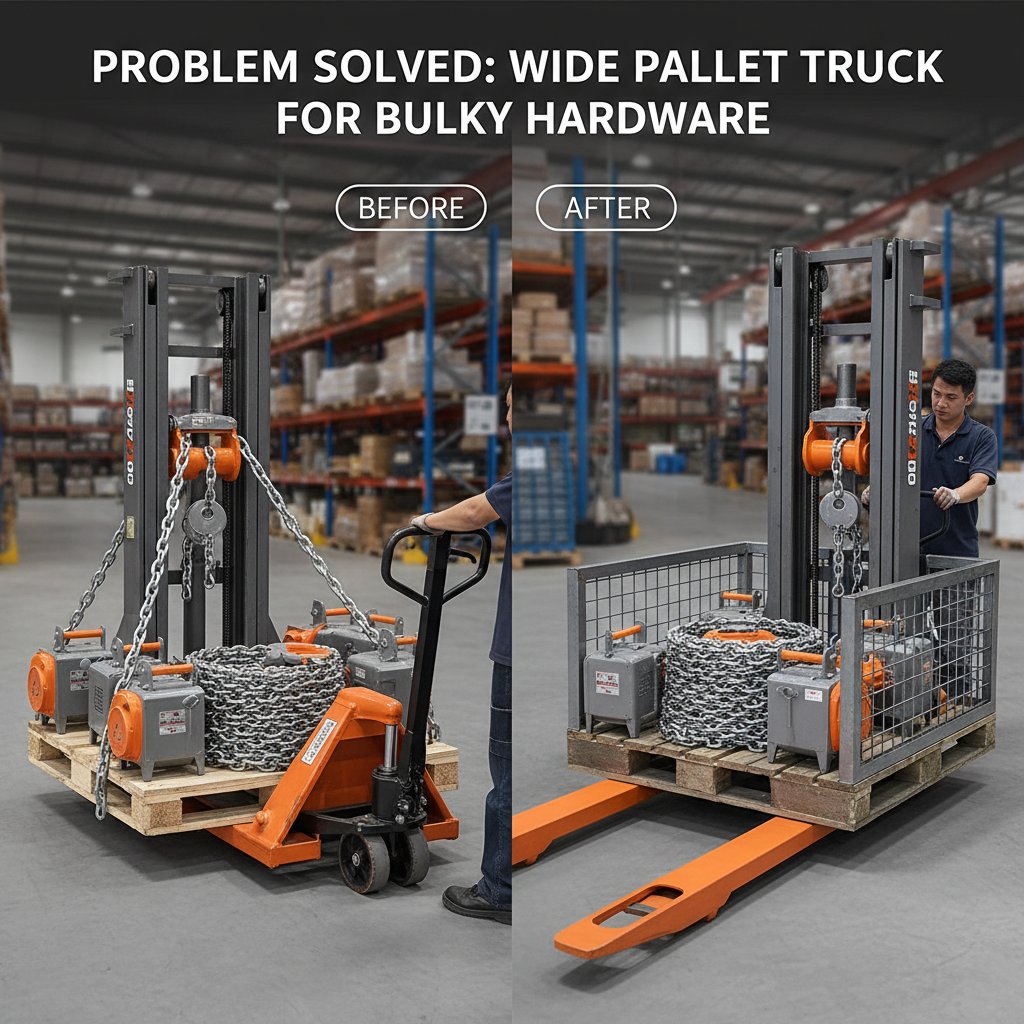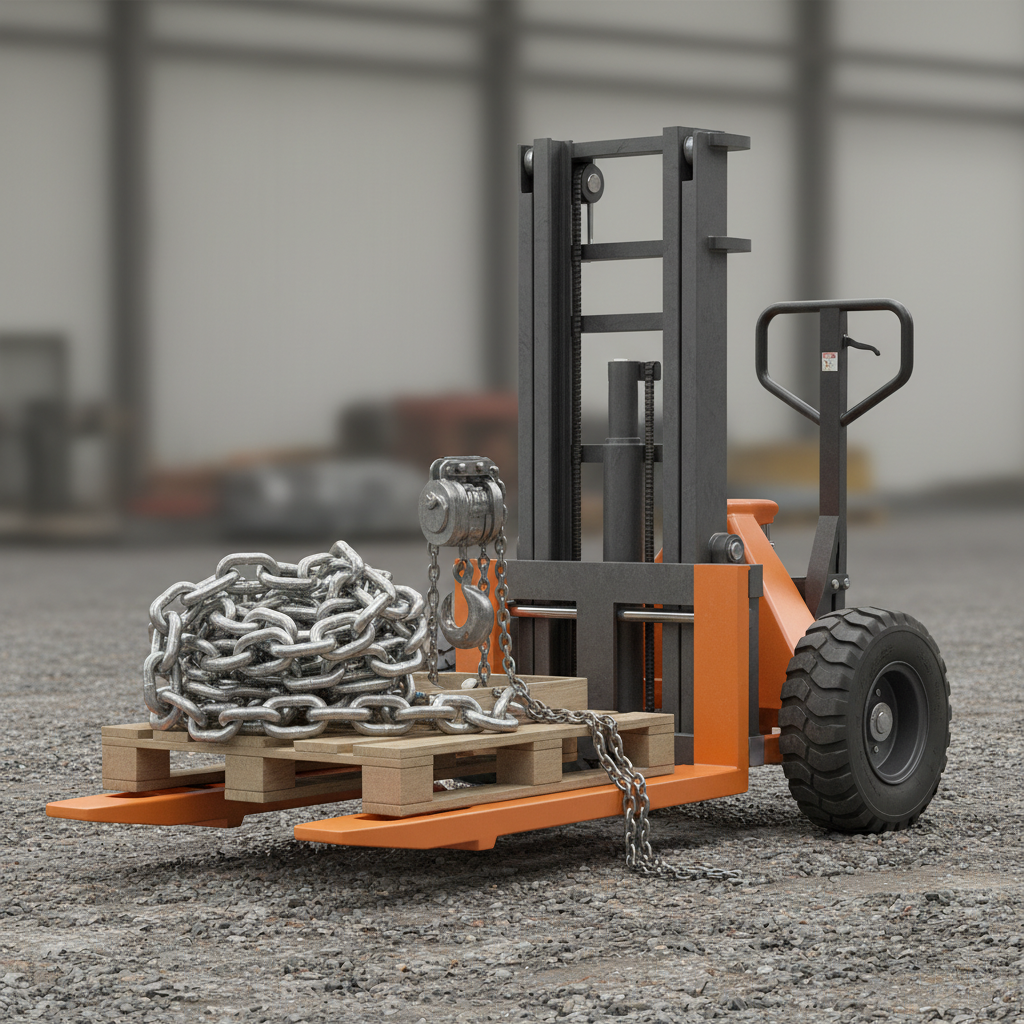


The pallet truck, a seemingly simple piece of material handling equipment, plays a crucial role in the efficiency of modern logistics and supply chains globally. From bustling warehouses to shipping docks and retail stores, the pallet truck facilitates the movement of goods, impacting economies and daily life across continents. Understanding its evolution, applications, and future trends is vital for businesses seeking to optimize operations and navigate an increasingly competitive market.
Globally, the demand for efficient material handling solutions, like the pallet truck, is driven by the exponential growth of e-commerce and international trade. According to the United Nations Conference on Trade and Development (UNCTAD), global trade reached a record $32 trillion in 2022. This surge necessitates streamlined logistics, and the pallet truck remains a cornerstone in achieving that efficiency. The ISO standards relating to pallet dimensions and material handling further underscore the international relevance of this unassuming device.
The increased need for efficient warehousing and distribution networks, particularly in emerging economies, fuels the demand for readily available and cost-effective solutions. The pallet truck addresses a critical need: the safe, efficient, and economical movement of palletized goods.
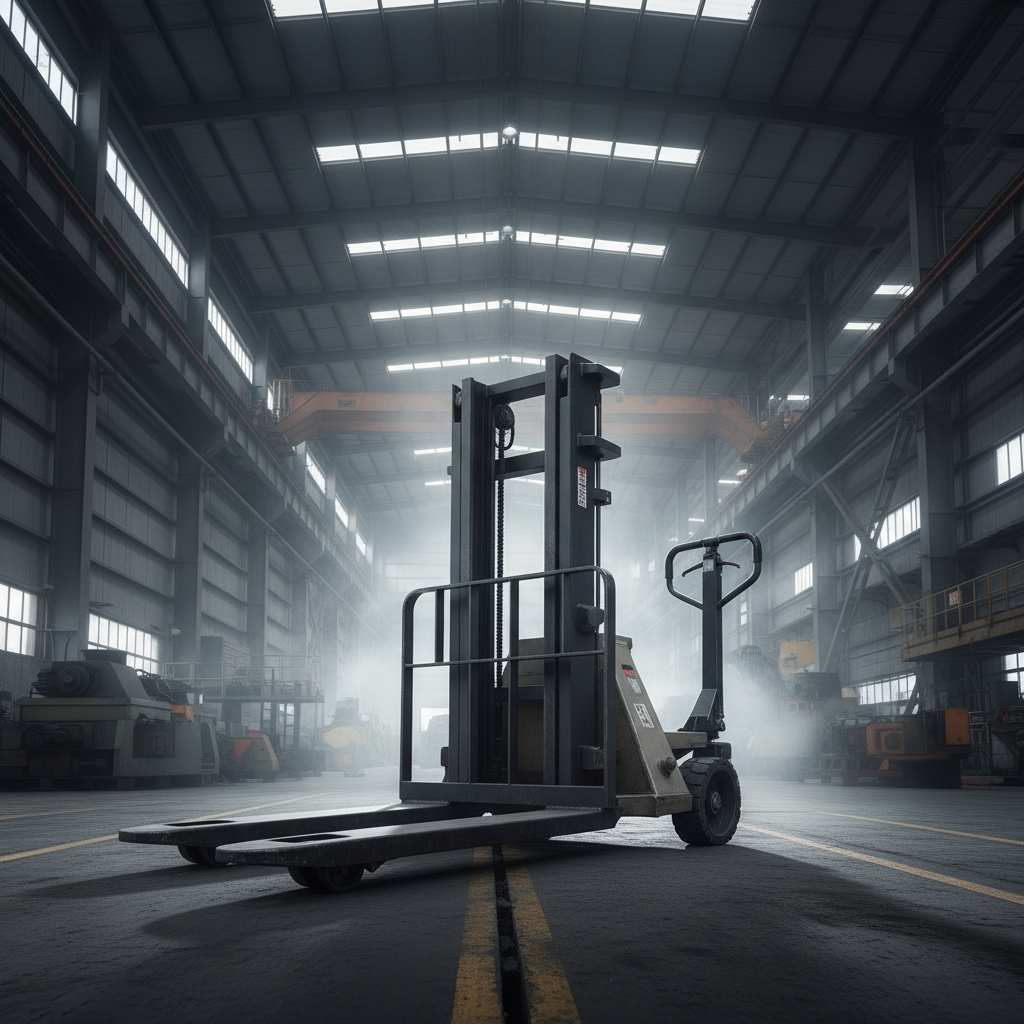
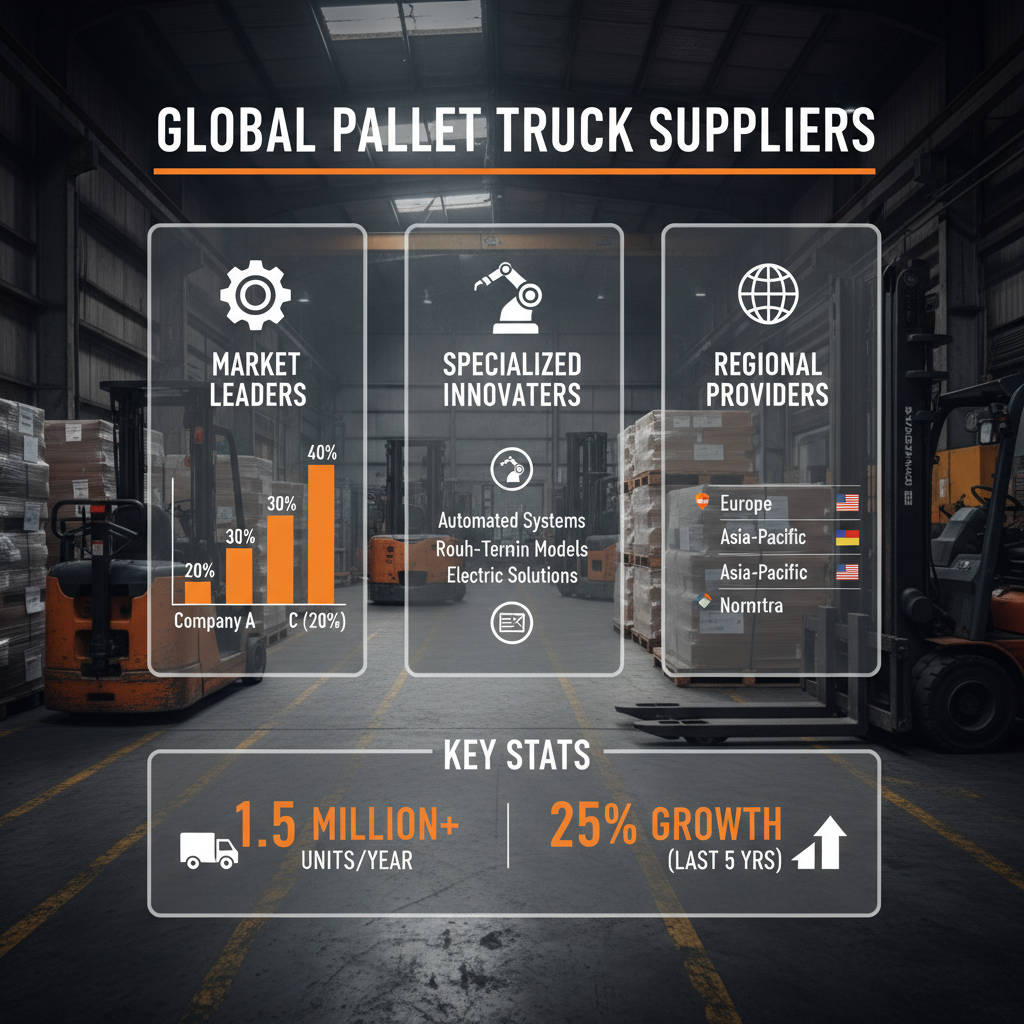
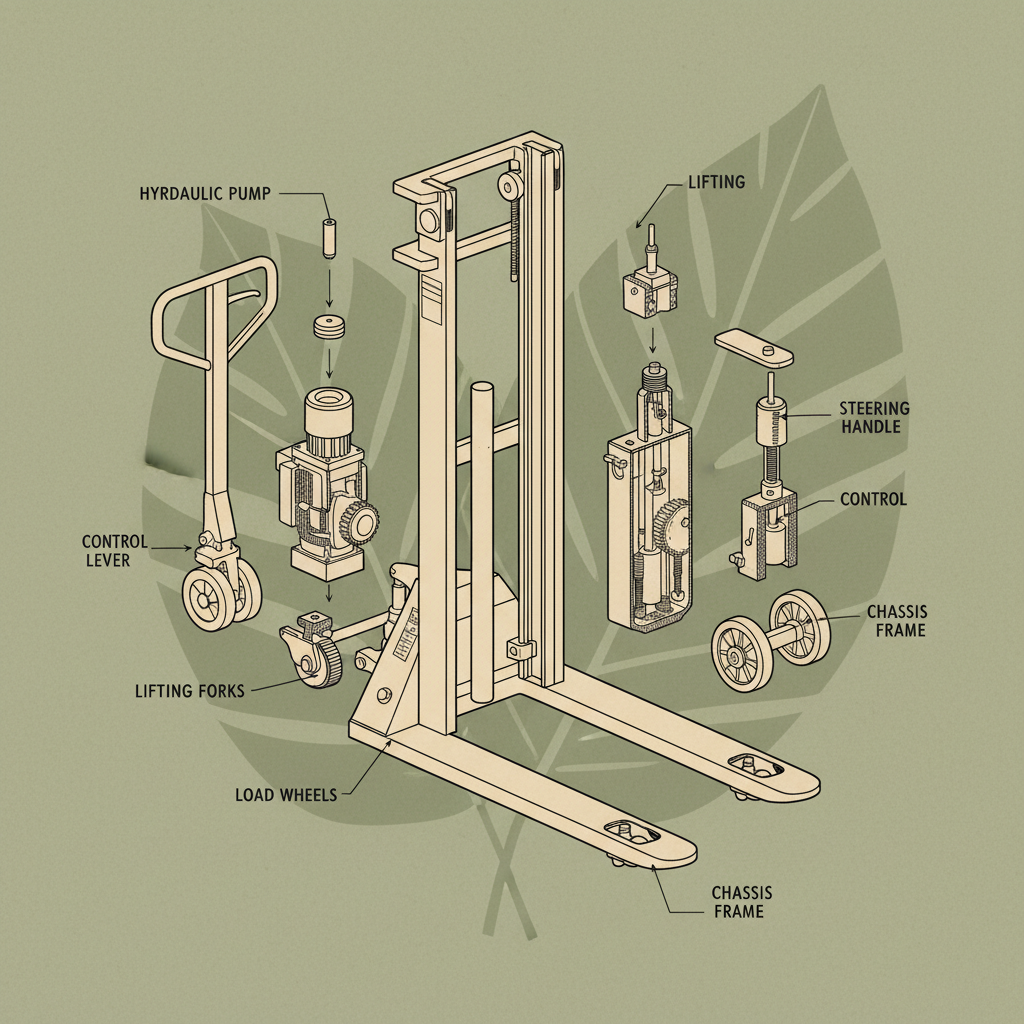
At its most basic, a pallet truck is designed to lift and move pallets, which are flat transport structures supporting goods in a compact unit. This simple functionality drastically reduces the manual labor required for moving materials, saving time and minimizing the risk of employee injury. The core principle lies in its leverage and hydraulic or electric lifting mechanisms.
The efficiency of a pallet truck isn’t just about lifting weight; it’s about maneuverability. Its compact design allows for navigation in tight spaces common in warehouses and loading docks. This agility is a key factor in optimizing workflow and ensuring quick turnaround times.
A well-maintained, high-quality pallet truck can typically last between 5 to 10 years, depending on usage intensity and environmental conditions. Regular lubrication, inspection of hydraulic systems (for hydraulic models), and proper battery care (for electric models) are crucial for maximizing longevity. Investing in a durable model from a reputable manufacturer is also key.
Hydraulic pallet trucks rely on a manual pumping action to lift pallets, making them a cost-effective option for lighter loads and less frequent use. Electric pallet trucks use an electric motor for lifting and driving, offering greater ease of use, higher lifting capacity, and faster operation, but come with a higher upfront cost and require battery maintenance.
Standard pallet trucks typically have a lifting capacity ranging from 2.5 to 5.5 tons (5,500 to 11,000 pounds). It’s crucial to never exceed the manufacturer’s specified weight limit, as this can compromise the truck’s structural integrity and create a safety hazard. Always check the load capacity label before use.
Regular maintenance for a pallet truck includes lubricating moving parts, inspecting forks for damage, checking hydraulic fluid levels (for hydraulic models), and ensuring proper battery charging and maintenance (for electric models). Periodic inspections by a qualified technician are also recommended to identify and address potential issues early on.
Important safety features include a robust braking system, a comfortable and ergonomic handle, and a stable chassis. Some models also include features like speed limiters and automatic shut-off mechanisms. Proper operator training is essential to ensure safe operation and prevent accidents.
Consider your load weight, warehouse space, and frequency of use. For heavy loads and frequent use, an electric pallet truck is often the best choice. For lighter loads and less frequent use, a hydraulic model may suffice. Also, consider the turning radius, fork length, and any specific features required for your application.
In conclusion, the pallet truck, despite its simplicity, remains a cornerstone of modern logistics and material handling. Its ability to efficiently and safely move palletized goods underpins countless industries, from warehousing and distribution to manufacturing and retail. Understanding its evolution, key components, and future trends is essential for businesses seeking to optimize their operations and maintain a competitive edge.
Looking ahead, continued innovation in automation, sustainability, and battery technology will further enhance the capabilities of pallet trucks, driving efficiency and reducing environmental impact. Investing in reliable and well-maintained equipment, coupled with comprehensive operator training, will unlock the full potential of this invaluable tool and ensure its continued relevance in the years to come. Visit our website at www.qyjuli.com to explore our range of pallet trucks and solutions.



 Afrikaans
 Albanian
 Amharic
 Arabic
 Armenian
 Azerbaijani
 Basque
 Belarusian
 Bengali
 Bosnian
 Bulgarian
 Catalan
 Cebuano
 China
China
 China (Taiwan)
 Corsican
 Croatian
 Czech
Czech
 Danish
 Dutch
Dutch
 Esperanto
 Estonian
 Finnish
 French
 Frisian
 Galician
 Georgian
 German
 Greek
Greek
 Gujarati
 Haitian Creole
 Hausa
Hausa
 Hawaiian
 Hebrew
 Hindi
Hindi
 Miao
Miao
 Hungarian
 Icelandic
 Igbo
Igbo
 Indonesian
 Irish
Irish
 Italian
 Japanese
 Javanese
 Kannada
 Kazakh
 Khmer
Khmer
 Rwandese
 Korean
 Kurdish
 Kyrgyz
 Lao
Lao
 Latin
Latin
 Latvian
 Lithuanian
 Luxembourgish
 Macedonian
 Malgashi
 Malay
Malay
 Malayalam
 Maltese
 Maori
Maori
 Marathi
 Mongolian
 Myanmar
 Nepali
 Norwegian
 Norwegian
 Occitan
 Pashto
 Persian
 Polish
 Portuguese
 Punjabi
 Romanian
 Russian
 Samoan
 Scottish Gaelic
 Serbian
 Sesotho
 Shona
Shona
 Sindhi
 Sinhala
 Slovak
 Slovenian
 Somali
 Spanish
 Sundanese
 Swahili
 Swedish
 Tagalog
 Tajik
Tajik
 Tamil
Tamil
 Tatar
Tatar
 Telugu
 Thai
Thai
 Turkish
 Turkmen
 Ukrainian
 Urdu
Urdu
 Uighur
 Uzbek
Uzbek
 Vietnamese
 Welsh
Welsh
 Bantu
Bantu
 Yiddish
 Yoruba
 Zulu
Zulu
 English