

The humble pallet cart is a cornerstone of modern logistics and material handling, often overlooked despite its crucial role in global supply chains. From warehouses and factories to retail spaces and even disaster relief efforts, the efficient movement of goods relies heavily on these versatile tools. Understanding the capabilities and advancements in pallet cart technology is essential for businesses looking to optimize operations, reduce costs, and improve workplace safety.
Globally, the demand for effective material handling solutions is ever-increasing. According to the World Bank, global trade volume continues to grow, necessitating more robust and streamlined logistics networks. The ISO standards for pallet dimensions highlight the importance of standardization for international shipping and compatibility. The pallet cart directly addresses the challenge of efficiently moving these standardized units, enabling faster turnaround times and lower transportation expenses.
In many developing nations, affordable and reliable material handling equipment like the pallet cart can dramatically improve economic activity. It bridges the gap between production and distribution, supporting local businesses and facilitating access to vital resources. The development and deployment of optimized pallet cart designs can have a significant ripple effect across various industries.
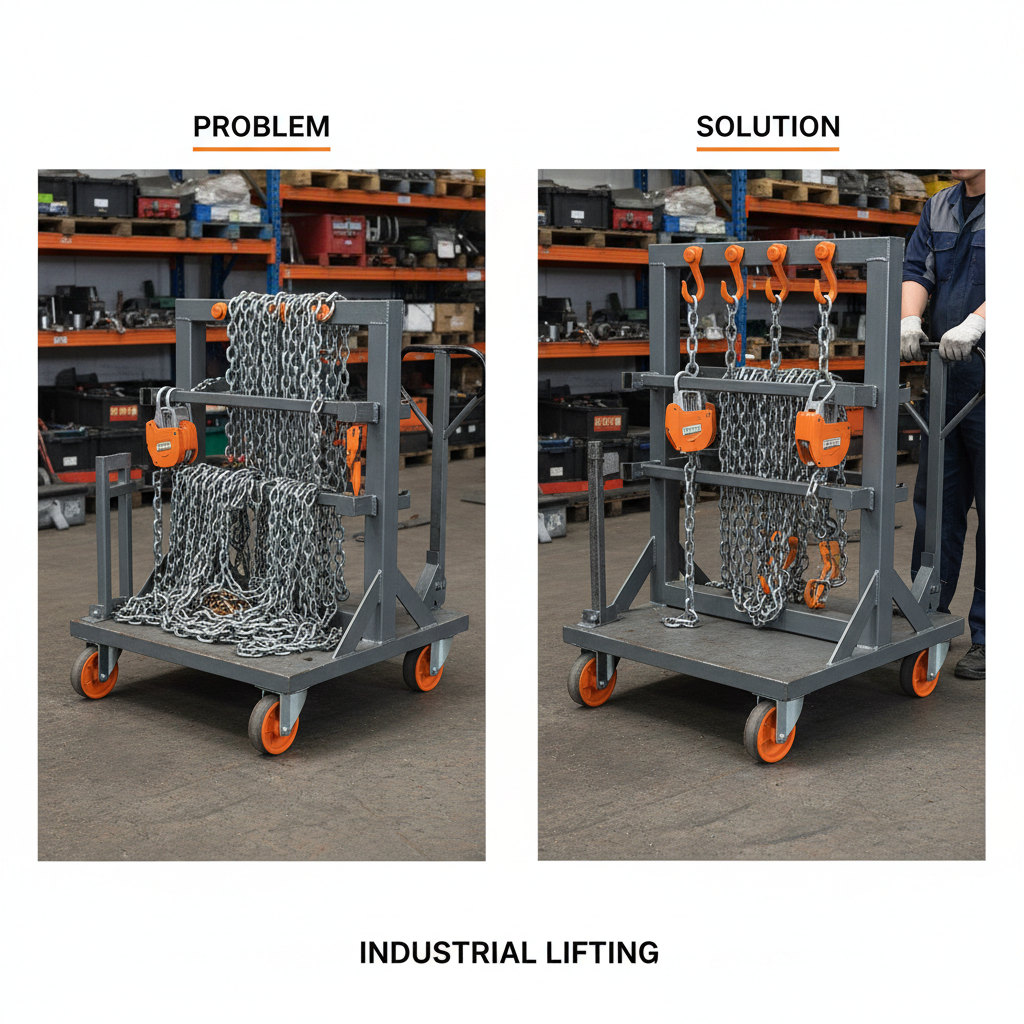
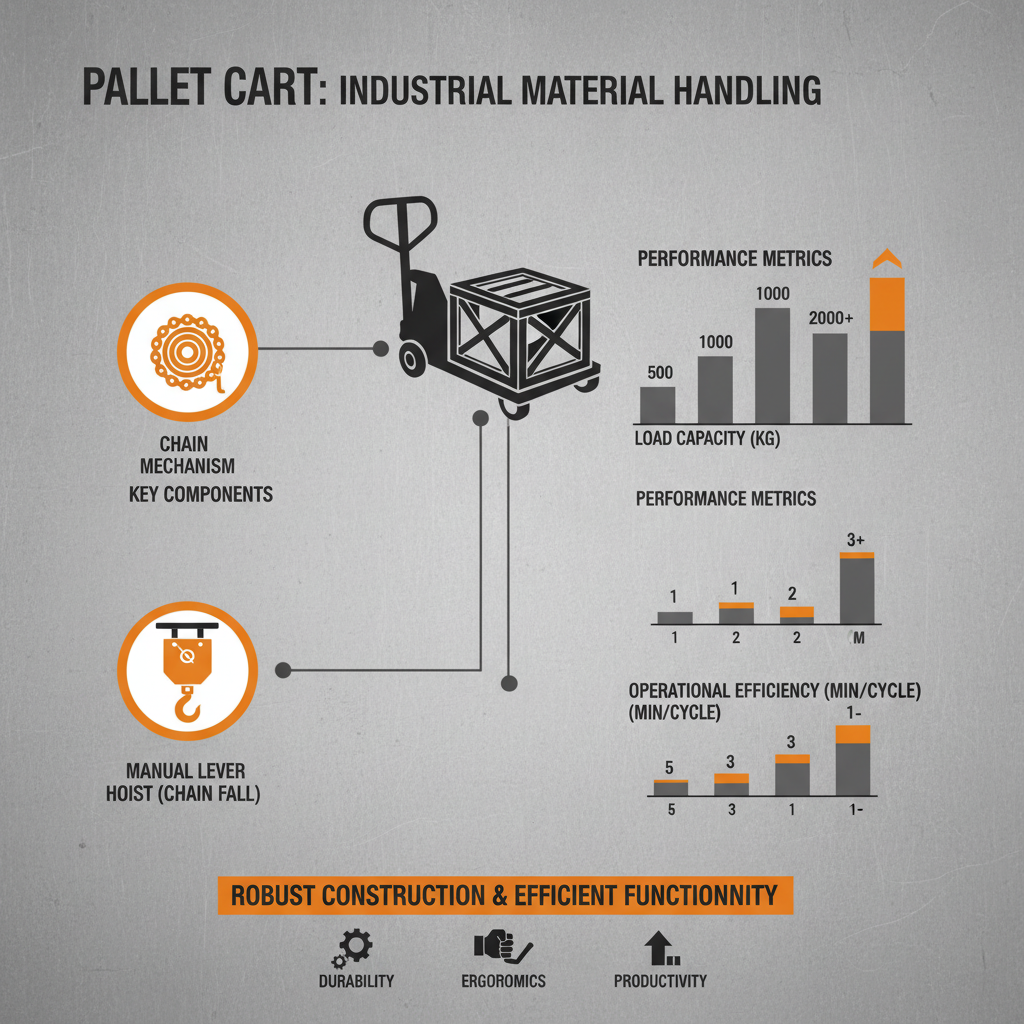
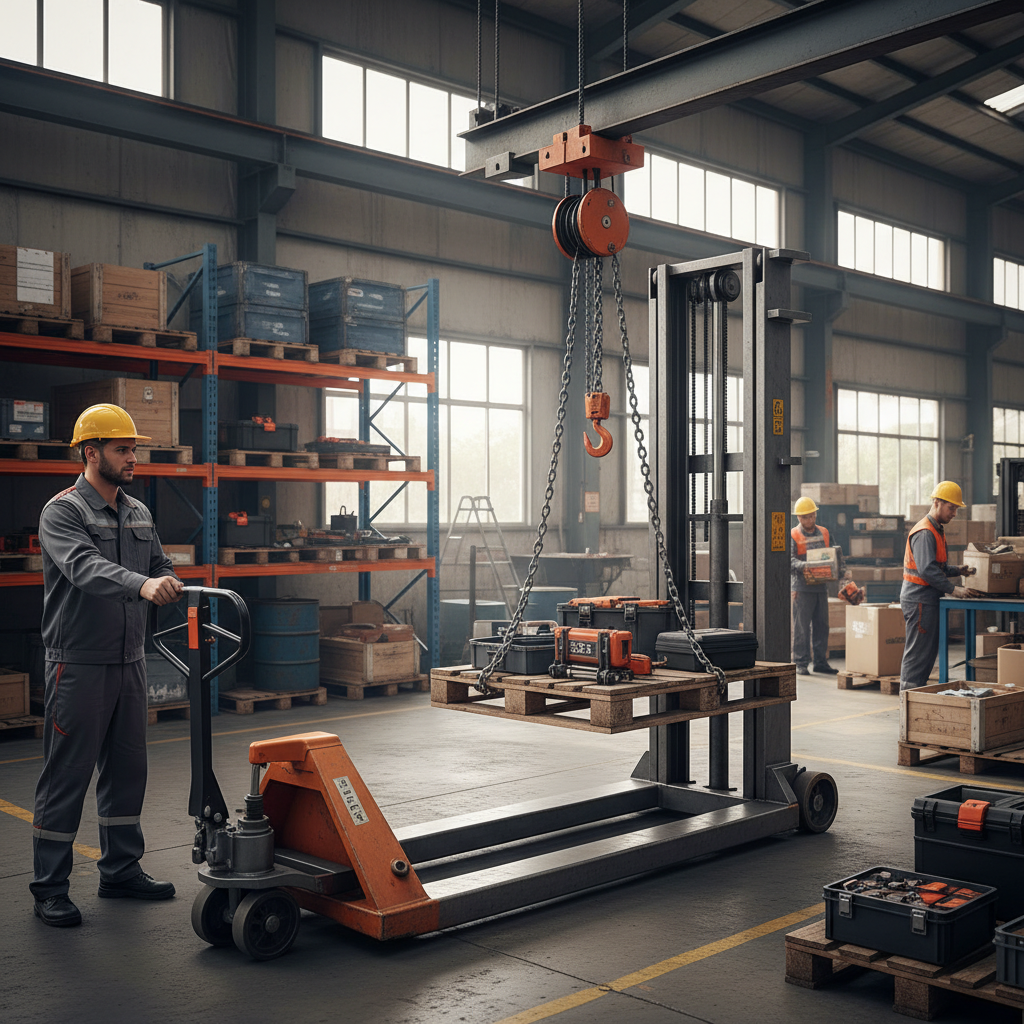
The efficient and safe movement of palletized goods is paramount to successful logistics operations. The pallet cart acts as a vital link, facilitating the transfer of materials between storage, transportation, and production areas. Without reliable pallet carts, businesses face increased handling times, a higher risk of damage to goods, and potential workplace injuries.
Effective pallet cart utilization isn’t simply about moving goods; it’s about optimizing the entire workflow. Choosing the right type of cart, considering factors like capacity, maneuverability, and floor conditions, can significantly improve productivity and reduce operational costs.
With proper care and maintenance, a quality pallet cart constructed from durable materials like heavy-gauge steel can last for 5-10 years or even longer. Regular cleaning, lubrication of moving parts, and timely repairs are crucial for extending its lifespan. Avoid exceeding the cart’s weight capacity and protecting it from harsh environmental conditions will also help prevent premature wear and tear.
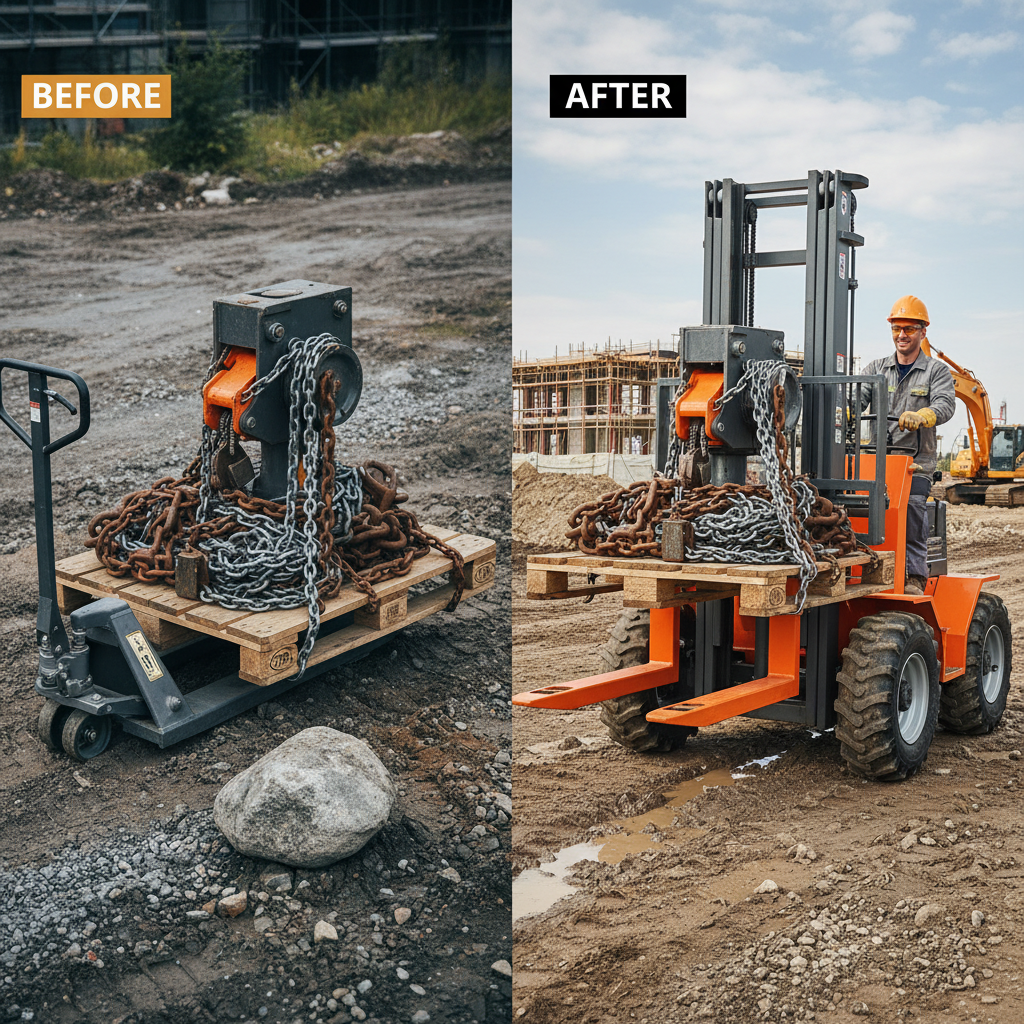
Key considerations include the typical weight of the pallets, the floor surface (smooth concrete, uneven terrain, etc.), aisle width, and the frequency of use. Selecting a cart with an appropriate weight capacity and maneuverability is essential. Consider swivel casters for tighter turns and non-marking wheels to protect floors. Ergonomic handles can also improve operator comfort and reduce fatigue.
Prioritize operator training on proper cart handling techniques, including safe loading procedures and awareness of surroundings. Regularly inspect carts for any damage or defects, and address them promptly. Ensure adequate lighting in the work area and clearly marked pathways. Encourage the use of safety footwear and gloves to minimize the risk of injuries.
Yes, several pallet carts are designed for specific industries. For instance, food-grade pallet carts are made from materials that meet hygiene standards. Stainless steel carts are ideal for corrosive environments. Heavy-duty carts are suited for industries handling extremely heavy loads. Selecting the appropriate cart for the application ensures optimal performance and longevity.
Spring-loaded pallet carts offer a smoother ride, particularly on uneven surfaces, due to the cushioning effect of the springs. This reduces the risk of load shifting or damage to fragile goods. They also help minimize operator fatigue by absorbing shocks and vibrations. These carts are well-suited for applications where careful handling of sensitive items is critical.
Regular maintenance is key. Clean the cart regularly to remove dirt and debris. Lubricate the wheels and swivel casters periodically to ensure smooth operation. Inspect the frame for cracks or damage and address them promptly. Check the wheels for wear and replace them as needed. Store the cart in a dry, covered area when not in use to protect it from the elements.
The pallet cart, though often overlooked, remains an indispensable component of modern logistics and material handling. Its versatility, affordability, and adaptability make it a valuable asset for businesses of all sizes and across diverse industries. From streamlining warehouse operations to facilitating disaster relief efforts, the impact of this simple yet effective tool is profound.
Looking ahead, continued innovation in materials, design, and technology will further enhance the capabilities and efficiency of pallet carts. Investing in high-quality pallet carts and implementing a proactive maintenance program is a strategic move that can yield significant long-term benefits, improving productivity, reducing costs, and ensuring a safer working environment. Visit our website at www.qyjuli.com to explore our range of pallet cart solutions.



 Afrikaans
 Albanian
 Amharic
 Arabic
 Armenian
 Azerbaijani
 Basque
 Belarusian
 Bengali
 Bosnian
 Bulgarian
 Catalan
 Cebuano
 China
China
 China (Taiwan)
 Corsican
 Croatian
 Czech
Czech
 Danish
 Dutch
Dutch
 Esperanto
 Estonian
 Finnish
 French
 Frisian
 Galician
 Georgian
 German
 Greek
Greek
 Gujarati
 Haitian Creole
 Hausa
Hausa
 Hawaiian
 Hebrew
 Hindi
Hindi
 Miao
Miao
 Hungarian
 Icelandic
 Igbo
Igbo
 Indonesian
 Irish
Irish
 Italian
 Japanese
 Javanese
 Kannada
 Kazakh
 Khmer
Khmer
 Rwandese
 Korean
 Kurdish
 Kyrgyz
 Lao
Lao
 Latin
Latin
 Latvian
 Lithuanian
 Luxembourgish
 Macedonian
 Malgashi
 Malay
Malay
 Malayalam
 Maltese
 Maori
Maori
 Marathi
 Mongolian
 Myanmar
 Nepali
 Norwegian
 Norwegian
 Occitan
 Pashto
 Persian
 Polish
 Portuguese
 Punjabi
 Romanian
 Russian
 Samoan
 Scottish Gaelic
 Serbian
 Sesotho
 Shona
Shona
 Sindhi
 Sinhala
 Slovak
 Slovenian
 Somali
 Spanish
 Sundanese
 Swahili
 Swedish
 Tagalog
 Tajik
Tajik
 Tamil
Tamil
 Tatar
Tatar
 Telugu
 Thai
Thai
 Turkish
 Turkmen
 Ukrainian
 Urdu
Urdu
 Uighur
 Uzbek
Uzbek
 Vietnamese
 Welsh
Welsh
 Bantu
Bantu
 Yiddish
 Yoruba
 Zulu
Zulu
 English