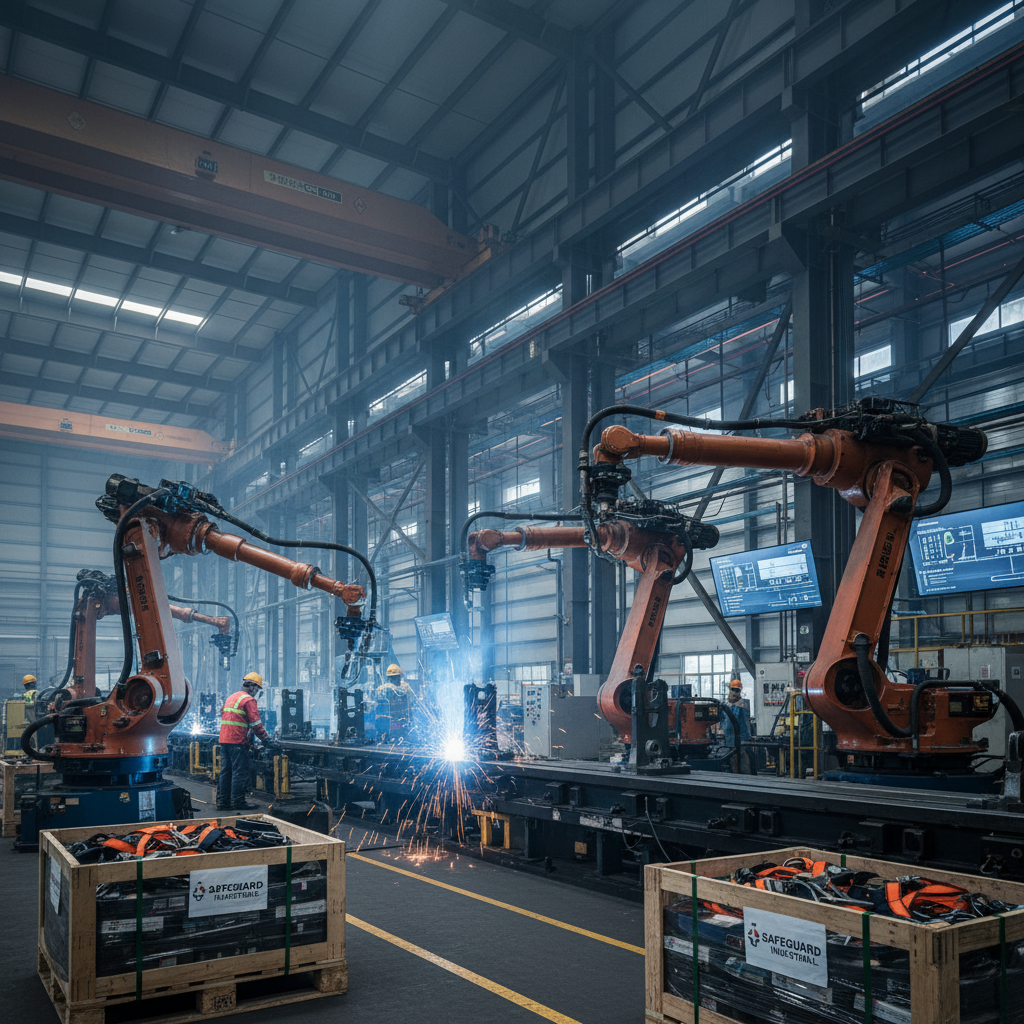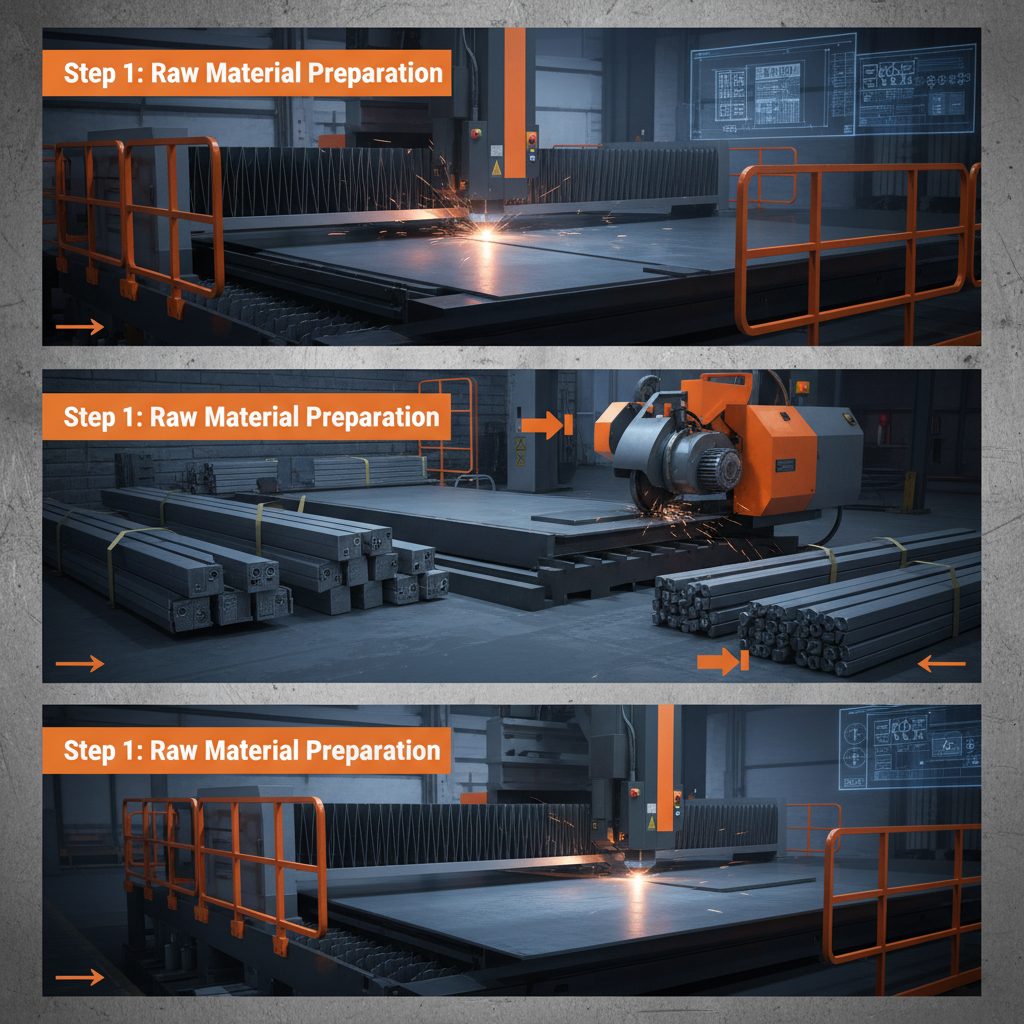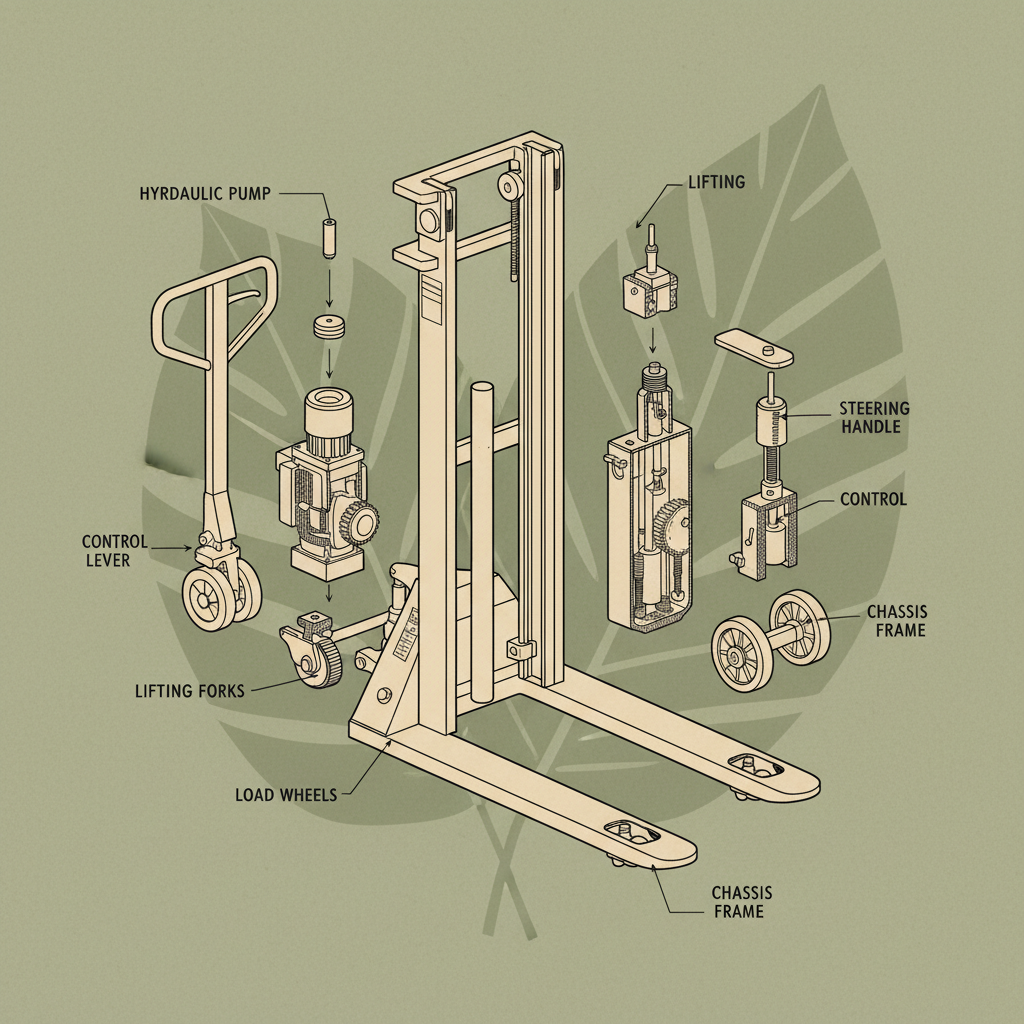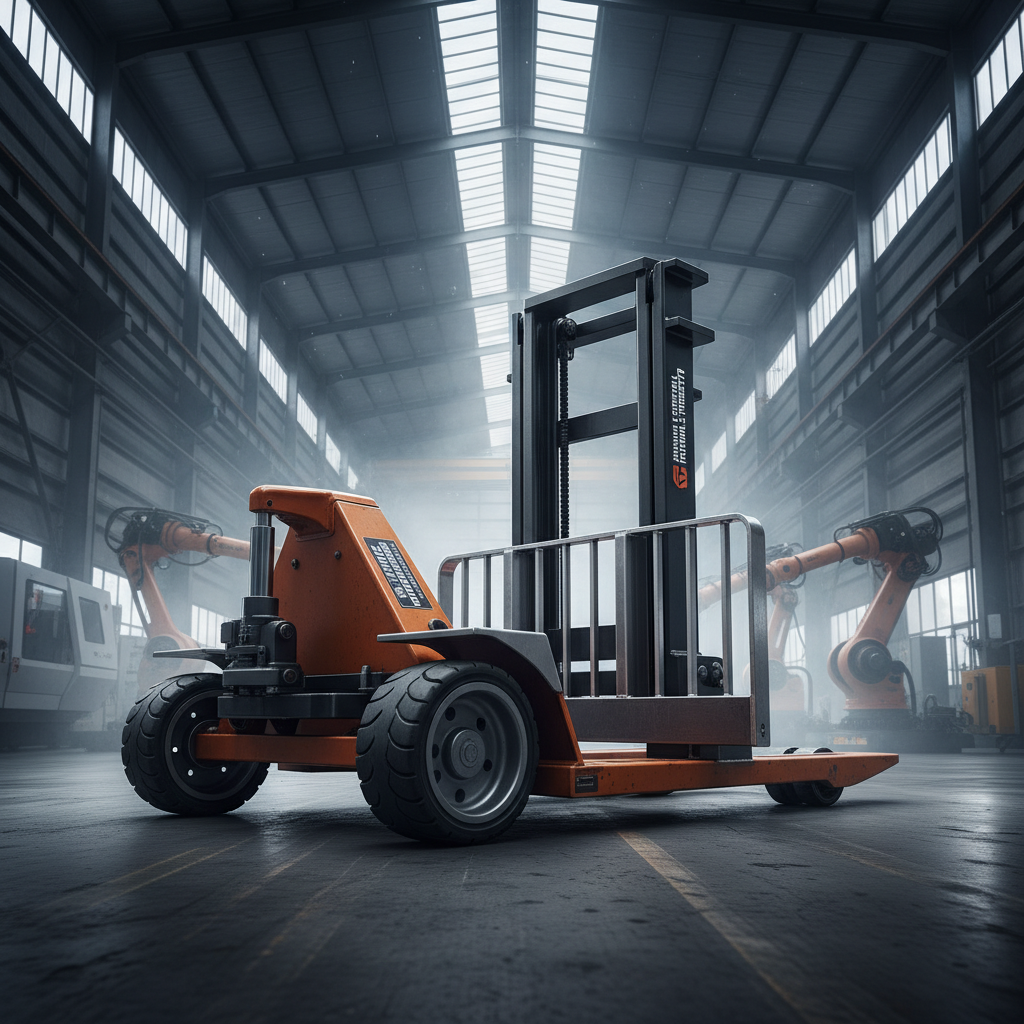


Motorised pallet trucks have become indispensable tools in modern logistics and material handling, globally impacting industries from warehousing and distribution to manufacturing and retail. Their efficiency, safety, and adaptability address critical needs for moving goods quickly and reliably. The adoption of these trucks streamlines operations, reduces labor costs, and enhances overall productivity, playing a pivotal role in maintaining supply chain resilience, particularly in a world increasingly reliant on just-in-time delivery systems.
The global demand for motorised pallet trucks is driven by the burgeoning e-commerce sector, necessitating faster order fulfillment and more efficient warehouse management. According to industry reports, the market is experiencing substantial growth, with projections indicating continued expansion in the coming years. This growth is particularly pronounced in emerging economies experiencing rapid industrialization. The ability of motorised pallet truck to navigate tight spaces and handle varying load capacities makes them ideal for diverse operational environments.
Addressing the challenges of manual handling, which contribute to workplace injuries and reduced efficiency, motorised pallet trucks offer a safe and ergonomic solution. They empower businesses to optimize their internal logistics, improve workplace safety, and contribute to a more sustainable and efficient global supply chain. The integration of smart features, such as fleet management systems and automated functionalities, further enhances their value proposition.
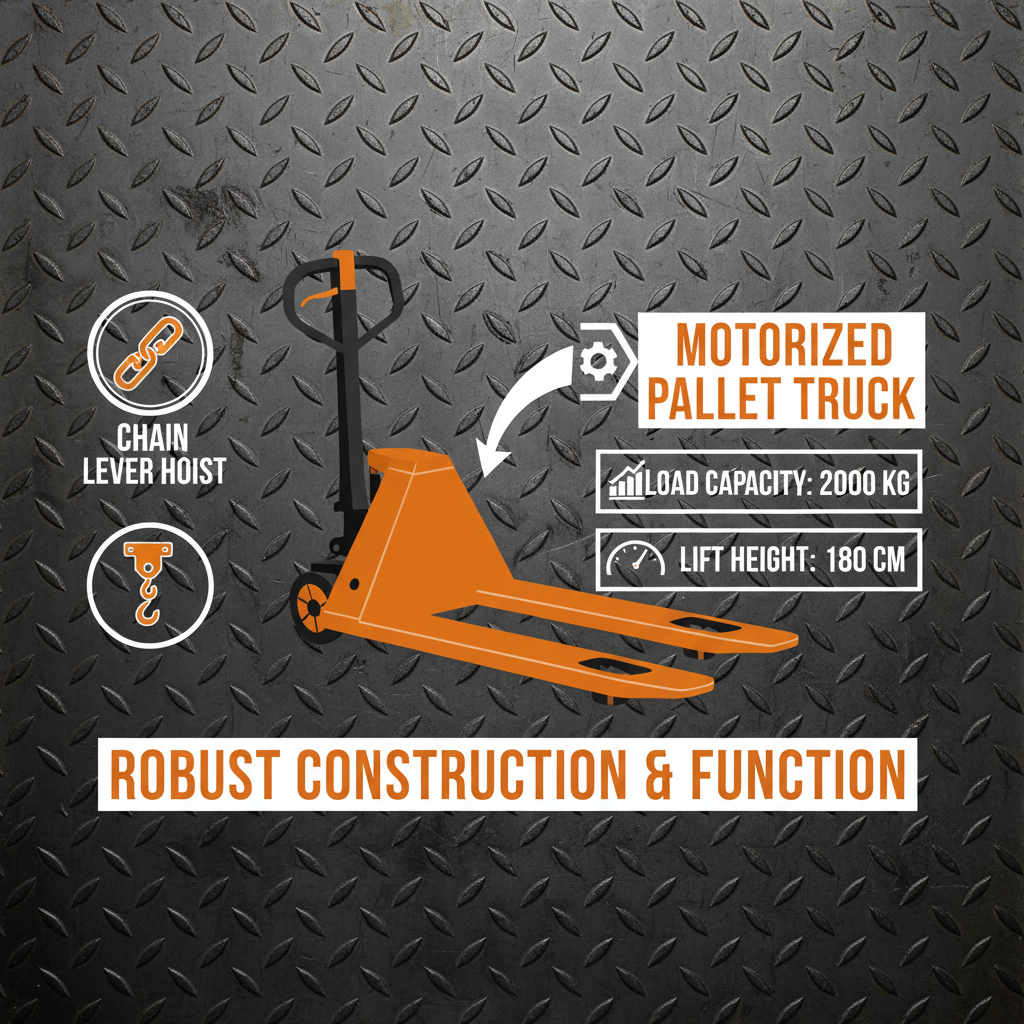
Motorised pallet trucks represent a significant advancement in material handling technology, transitioning from manually operated equipment to powered solutions. They are specifically designed for the efficient lifting and movement of palletized loads within warehouses, factories, retail spaces, and other logistics environments. Understanding the evolution and capabilities of motorised pallet trucks is crucial for optimising operational efficiency and reducing logistical bottlenecks.
The core function of a motorised pallet truck is to facilitate the horizontal transport of goods. Unlike forklifts, they are primarily designed for moving loads at ground level and are more compact, making them ideal for maneuvering in confined spaces. This capability is particularly valuable in congested warehouse environments or retail backrooms where space is limited, allowing for greater flexibility and throughput.
The lifespan of a motorised pallet truck generally ranges from 5 to 10 years, depending on usage intensity, maintenance practices, and environmental conditions. Regular maintenance, including battery care, tire checks, and component lubrication, can significantly extend its operational life. Investing in a higher-quality model with durable components also contributes to longevity.
Lithium-ion batteries offer several advantages over traditional lead-acid batteries for motorised pallet trucks. They boast a longer lifespan, faster charging times, and higher energy density, resulting in extended runtime. Lithium-ion batteries also require less maintenance and are more environmentally friendly, making them a compelling investment despite their higher initial cost.
Essential safety features include speed limiters, emergency stop buttons, horn, and a robust frame construction. Some models also offer features like tilt and curve protection, which prevent tipping during operation. Regular safety inspections and operator training are equally crucial for preventing accidents and ensuring a safe working environment.
Motorised pallet trucks come in a range of load capacities, typically from 2,200 lbs (1,000 kg) to 6,600 lbs (3,000 kg) or even higher for specialized models. The appropriate load capacity depends on the specific materials being handled and the operational requirements of the facility. Selecting a truck with sufficient capacity is crucial for safe and efficient operation.
Regular maintenance includes battery checks and maintenance, tire inspections, lubrication of moving parts, brake adjustments, and visual inspections for damage. Following the manufacturer's recommended maintenance schedule is essential for maximizing the truck's lifespan and preventing costly repairs. Professional maintenance services are recommended for more complex repairs.
Consider factors such as load capacity, operating environment, aisle width, battery type, and desired features. Analyze your material handling requirements, assess the available space, and prioritize safety features. Consulting with a qualified material handling equipment provider can help you select the optimal motorised pallet truck for your specific application.
In conclusion, motorised pallet trucks are fundamental components of modern logistics and material handling, offering significant advantages in terms of efficiency, safety, and cost-effectiveness. Their widespread adoption reflects their essential role in supporting global trade, streamlining supply chains, and improving workplace conditions. Understanding their capabilities, applications, and future trends is vital for businesses seeking to optimize their operations and remain competitive.
Looking ahead, continued innovation in automation, battery technology, and digital connectivity will further enhance the value of motorised pallet trucks. Investing in these technologies will not only improve operational efficiency but also contribute to a more sustainable and resilient logistics ecosystem. To explore the best solutions for your specific needs, visit our website: www.qyjuli.com.



 Afrikaans
 Albanian
 Amharic
 Arabic
 Armenian
 Azerbaijani
 Basque
 Belarusian
 Bengali
 Bosnian
 Bulgarian
 Catalan
 Cebuano
 China
China
 China (Taiwan)
 Corsican
 Croatian
 Czech
Czech
 Danish
 Dutch
Dutch
 Esperanto
 Estonian
 Finnish
 French
 Frisian
 Galician
 Georgian
 German
 Greek
Greek
 Gujarati
 Haitian Creole
 Hausa
Hausa
 Hawaiian
 Hebrew
 Hindi
Hindi
 Miao
Miao
 Hungarian
 Icelandic
 Igbo
Igbo
 Indonesian
 Irish
Irish
 Italian
 Japanese
 Javanese
 Kannada
 Kazakh
 Khmer
Khmer
 Rwandese
 Korean
 Kurdish
 Kyrgyz
 Lao
Lao
 Latin
Latin
 Latvian
 Lithuanian
 Luxembourgish
 Macedonian
 Malgashi
 Malay
Malay
 Malayalam
 Maltese
 Maori
Maori
 Marathi
 Mongolian
 Myanmar
 Nepali
 Norwegian
 Norwegian
 Occitan
 Pashto
 Persian
 Polish
 Portuguese
 Punjabi
 Romanian
 Russian
 Samoan
 Scottish Gaelic
 Serbian
 Sesotho
 Shona
Shona
 Sindhi
 Sinhala
 Slovak
 Slovenian
 Somali
 Spanish
 Sundanese
 Swahili
 Swedish
 Tagalog
 Tajik
Tajik
 Tamil
Tamil
 Tatar
Tatar
 Telugu
 Thai
Thai
 Turkish
 Turkmen
 Ukrainian
 Urdu
Urdu
 Uighur
 Uzbek
Uzbek
 Vietnamese
 Welsh
Welsh
 Bantu
Bantu
 Yiddish
 Yoruba
 Zulu
Zulu
 English