

Look, I've been running around construction sites for over a decade, and let me tell you, chain block suppliers… they’ve really stepped up their game lately. It’s not just about lifting heavy stuff anymore. Everyone’s talking about automation, modular construction, pre-fabricated elements. That’s the trend. It's a whole different ballgame than what it was even five years ago. The demand for reliable, quick-deploy chain blocks is through the roof. To be honest, it's a little chaotic trying to keep up with all the new suppliers popping up, each claiming to have the 'best' this or the 'most efficient' that.
You wouldn't believe the number of designs I’ve seen that look fantastic on paper but completely fall apart when you try to actually use them on site. Have you noticed how many companies focus on the lifting capacity and forget about the ergonomics? A chain block that's a nightmare to operate is just a recipe for injuries and slowdowns. And the braking systems... oh, the braking systems. So many cheap ones that slip, especially in wet conditions. It’s a real headache.
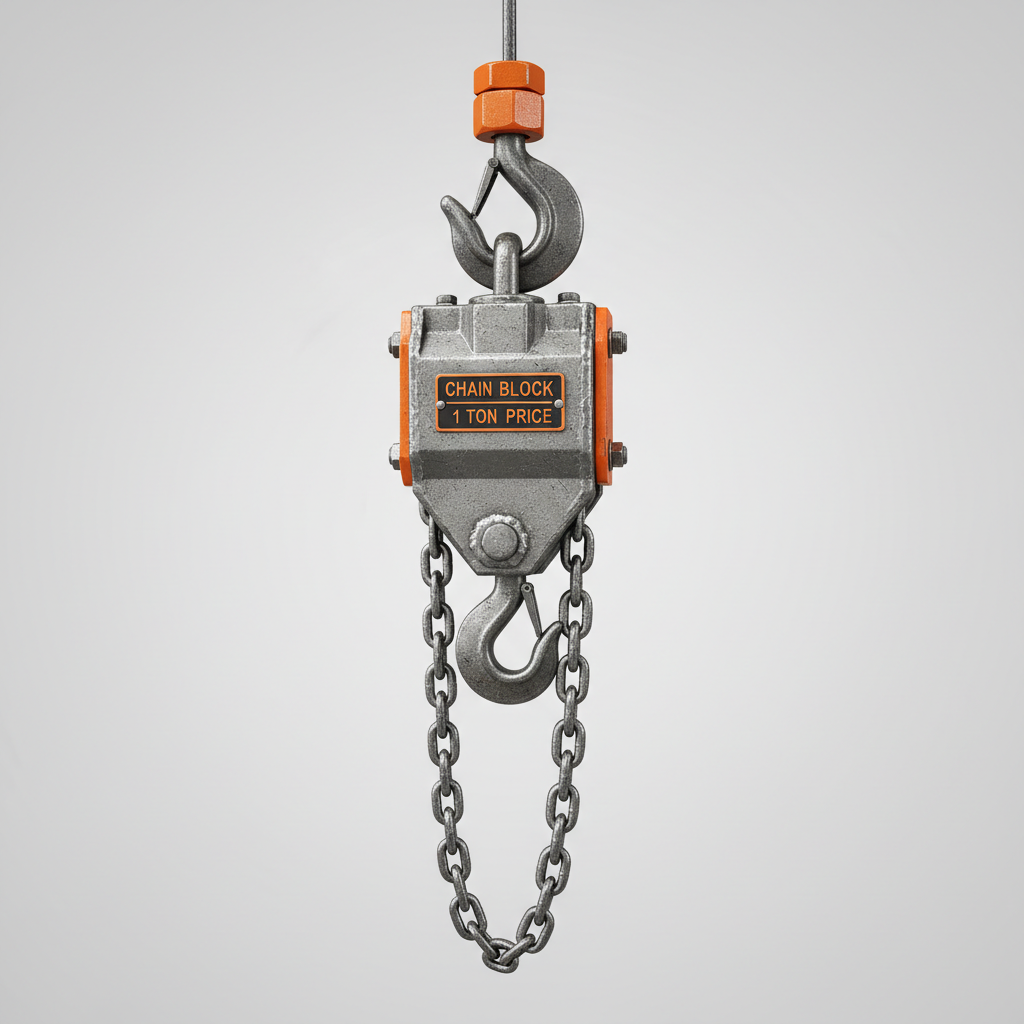
It all starts with the steel, doesn't it? Good quality alloy steel is crucial. You can smell it, almost. It's got a certain...weight to it. I encountered a batch at a factory in Ningbo last time, smelled faintly of oil, which wasn’t a good sign. The chain itself, that's where a lot of corners get cut. You want something that’s properly heat-treated, with a smooth, consistent finish. And the hooks! Don’t even get me started on the hooks. If they aren’t forged correctly, they'll deform under stress, and that's a disaster waiting to happen.
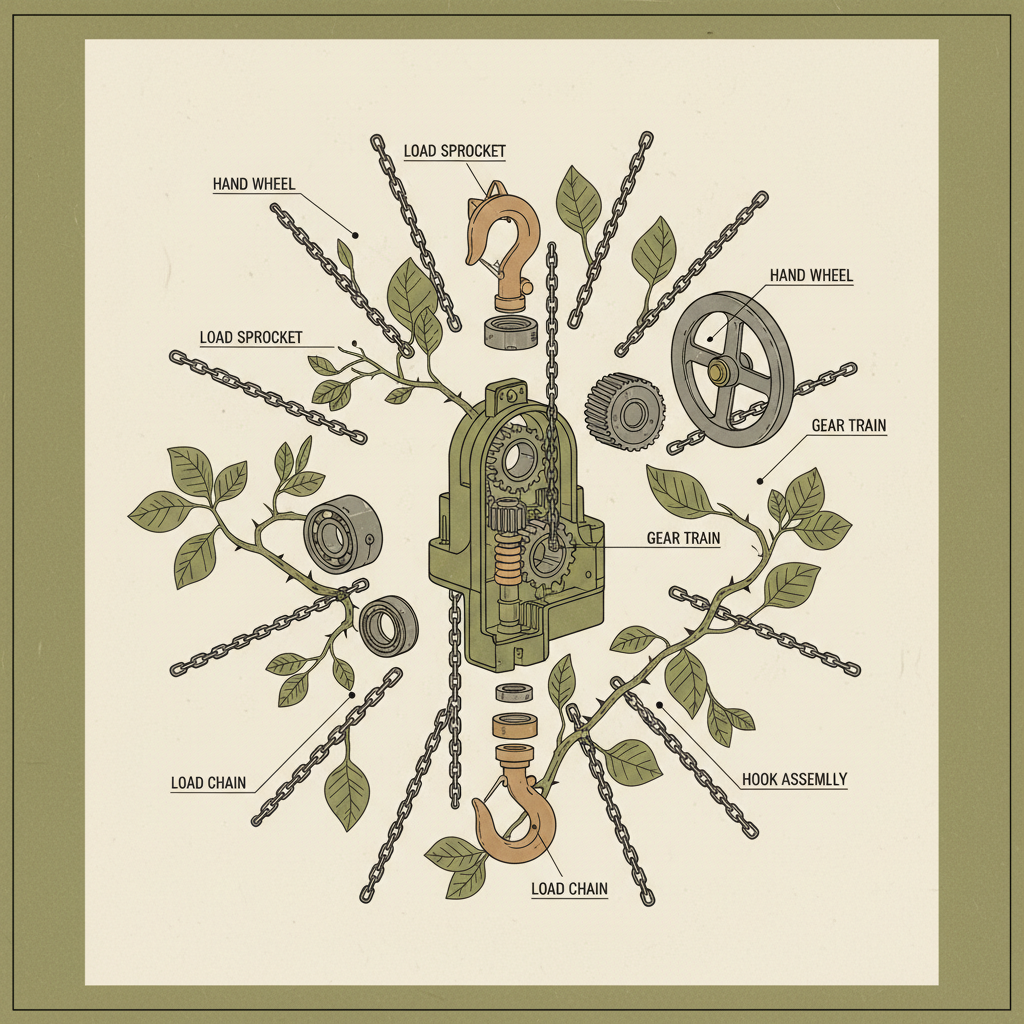
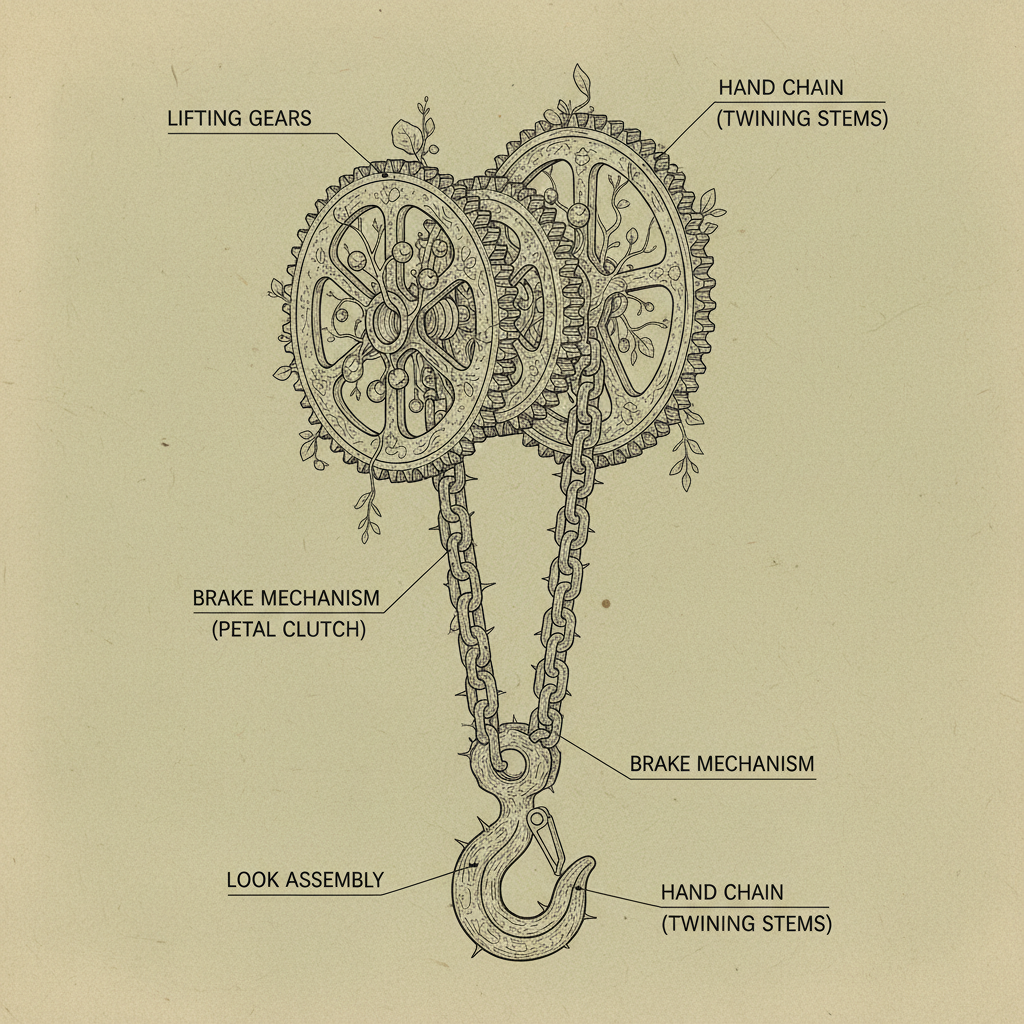
Strangely, a lot of suppliers still think chain blocks are just about brute force. They overlook the need for precision, especially in modern construction. Pre-fabricated modules, for example, need to be lifted and positioned exactly right. A jerky, unreliable chain block won't cut it. I’ve seen entire projects delayed because of it.
And the controls… so many cheap plastic housings that crack under pressure. You need robust, weatherproof controls, and a clear, easy-to-read load indicator. Otherwise, you're relying on guesswork, and that's never a good idea. Anyway, I think the focus needs to shift from just lifting capacity to overall usability and precision.
Honestly, it's prioritizing price over quality. They see a cheaper option and think, "What could go wrong?" Everything can go wrong! A poorly made chain block is a safety hazard. You need to look beyond the price tag and consider the materials, construction, and safety features. Look for reputable suppliers with certifications and a good track record. Don't just go for the bottom dollar; it'll cost you more in the long run.
At a minimum, before each use. Seriously. Check the chain for wear, corrosion, or damage. Inspect the hooks for cracks or deformation. Make sure the braking system is working properly. And keep a log of your inspections. It's a pain, I know, but it's a legal requirement and it could save someone’s life. Annual professional inspection is crucial too.
Manual chain blocks are simple, reliable, and don't require electricity. They’re great for occasional use or in areas where power isn’t readily available. Electric chain blocks, on the other hand, are faster and require less physical effort. They’re ideal for high-volume lifting applications. But they’re also more complex and require regular maintenance.
You can, but you need to take extra precautions. Choose a chain block with a corrosion-resistant coating, like galvanization or epoxy. And be sure to lubricate the chain regularly with a corrosion-inhibiting oil. Even then, they will require more frequent inspection and maintenance. The salt air is brutal on this stuff.
Keep it clean, dry, and lubricated. Store it indoors if possible, or cover it with a tarp if it’s stored outdoors. Hang it up so the chain doesn’t rest on the ground. And make sure it's protected from extreme temperatures and direct sunlight. Simple stuff, but it’ll extend its lifespan.
Cracked hooks, worn or damaged chain links, a slipping braking system, excessive noise, or any visible signs of deformation. If you see any of these, take it out of service immediately. Don't risk it. And when in doubt, get it inspected by a qualified professional.
So, there you have it. Chain block suppliers are evolving, the designs are getting more sophisticated, and the demands are higher. You need to focus on quality, durability, and usability, and don't be afraid to ask questions. Remember, a cheap chain block isn’t a bargain if it fails at the worst possible moment.
Ultimately, whether this thing works or not, the worker will know the moment he tightens the screw. That's the bottom line. If it feels solid, operates smoothly, and gives him confidence, then it’s a good chain block. If not... well, you know what to do. Check out our selection at qyjuli.com.



 Afrikaans
 Albanian
 Amharic
 Arabic
 Armenian
 Azerbaijani
 Basque
 Belarusian
 Bengali
 Bosnian
 Bulgarian
 Catalan
 Cebuano
 China
China
 China (Taiwan)
 Corsican
 Croatian
 Czech
Czech
 Danish
 Dutch
Dutch
 Esperanto
 Estonian
 Finnish
 French
 Frisian
 Galician
 Georgian
 German
 Greek
Greek
 Gujarati
 Haitian Creole
 Hausa
Hausa
 Hawaiian
 Hebrew
 Hindi
Hindi
 Miao
Miao
 Hungarian
 Icelandic
 Igbo
Igbo
 Indonesian
 Irish
Irish
 Italian
 Japanese
 Javanese
 Kannada
 Kazakh
 Khmer
Khmer
 Rwandese
 Korean
 Kurdish
 Kyrgyz
 Lao
Lao
 Latin
Latin
 Latvian
 Lithuanian
 Luxembourgish
 Macedonian
 Malgashi
 Malay
Malay
 Malayalam
 Maltese
 Maori
Maori
 Marathi
 Mongolian
 Myanmar
 Nepali
 Norwegian
 Norwegian
 Occitan
 Pashto
 Persian
 Polish
 Portuguese
 Punjabi
 Romanian
 Russian
 Samoan
 Scottish Gaelic
 Serbian
 Sesotho
 Shona
Shona
 Sindhi
 Sinhala
 Slovak
 Slovenian
 Somali
 Spanish
 Sundanese
 Swahili
 Swedish
 Tagalog
 Tajik
Tajik
 Tamil
Tamil
 Tatar
Tatar
 Telugu
 Thai
Thai
 Turkish
 Turkmen
 Ukrainian
 Urdu
Urdu
 Uighur
 Uzbek
Uzbek
 Vietnamese
 Welsh
Welsh
 Bantu
Bantu
 Yiddish
 Yoruba
 Zulu
Zulu
 English