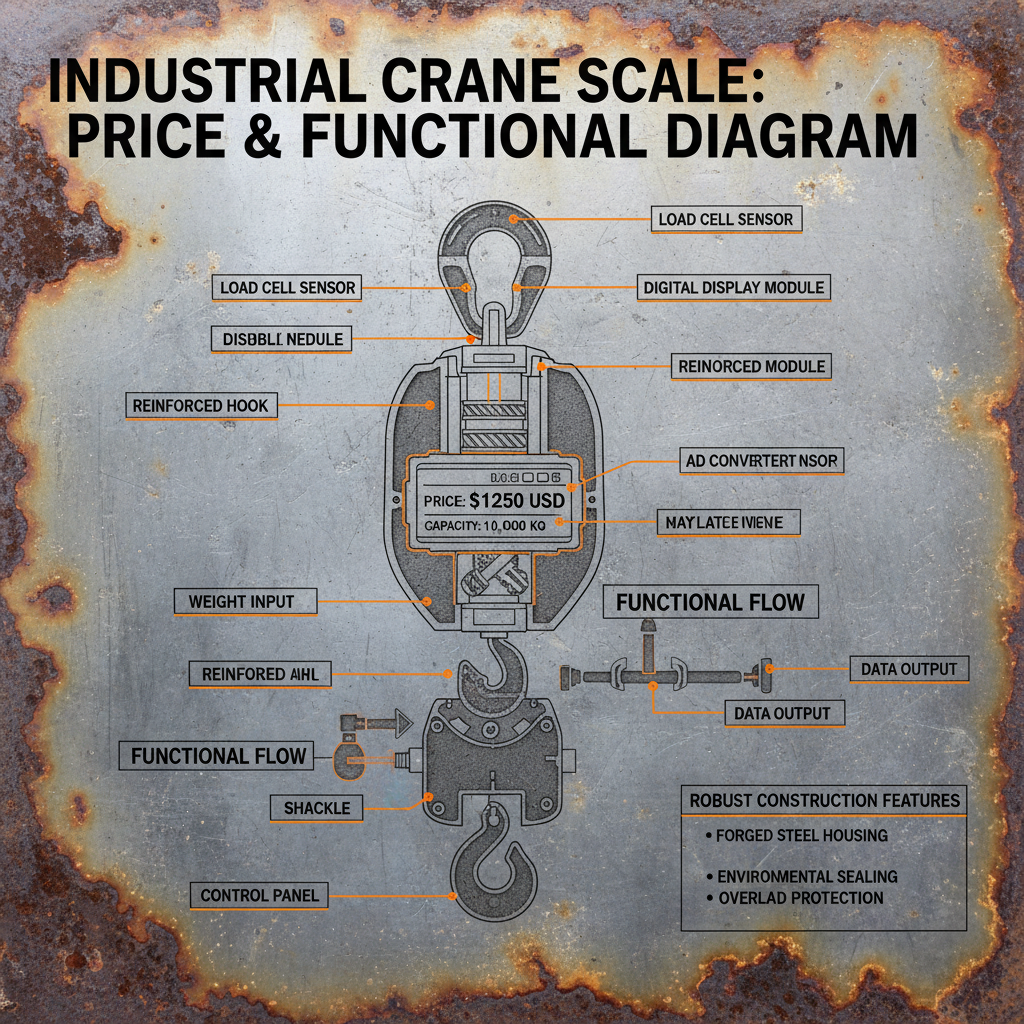


Chain block 1 ton price represents a crucial component in lifting operations across diverse industries. Understanding its determinants – material quality, manufacturing precision, load capacity, and safety certifications – is paramount for ensuring operational efficiency and minimizing risks. This price point isn't merely a transactional figure; it reflects the inherent value of safe and reliable lifting solutions.
The global demand for robust lifting equipment, directly influencing the chain block 1 ton price, is driven by infrastructure development, manufacturing growth, and the energy sector. Fluctuations in raw material costs, particularly steel, and evolving safety regulations significantly impact production costs and, consequently, market pricing. Maintaining a focus on quality within a competitive price landscape is a key challenge for manufacturers.
Ultimately, discerning the true value of a chain block, beyond simply the initial chain block 1 ton price, requires a comprehensive assessment of its durability, compliance with industry standards, and long-term operational cost-effectiveness. Investing in quality equipment translates to minimized downtime, reduced maintenance, and a safer working environment.
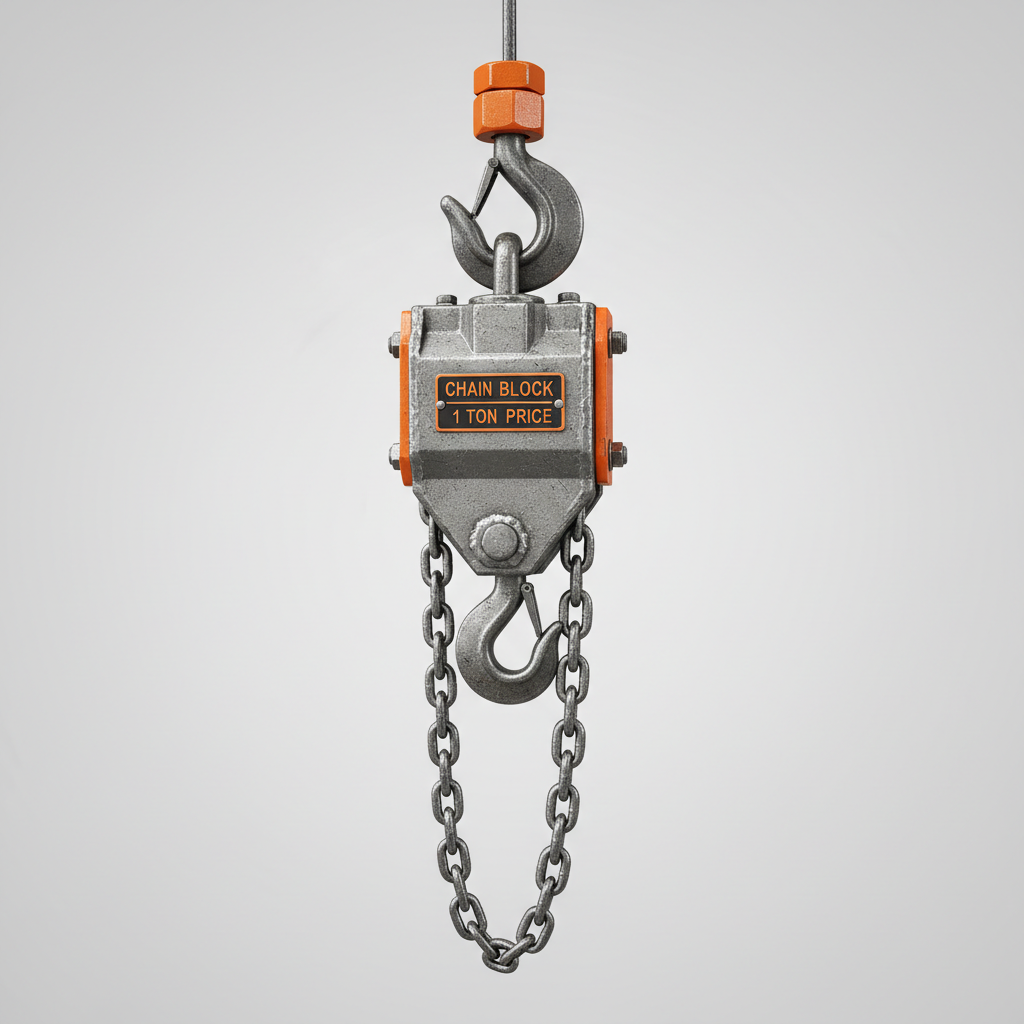
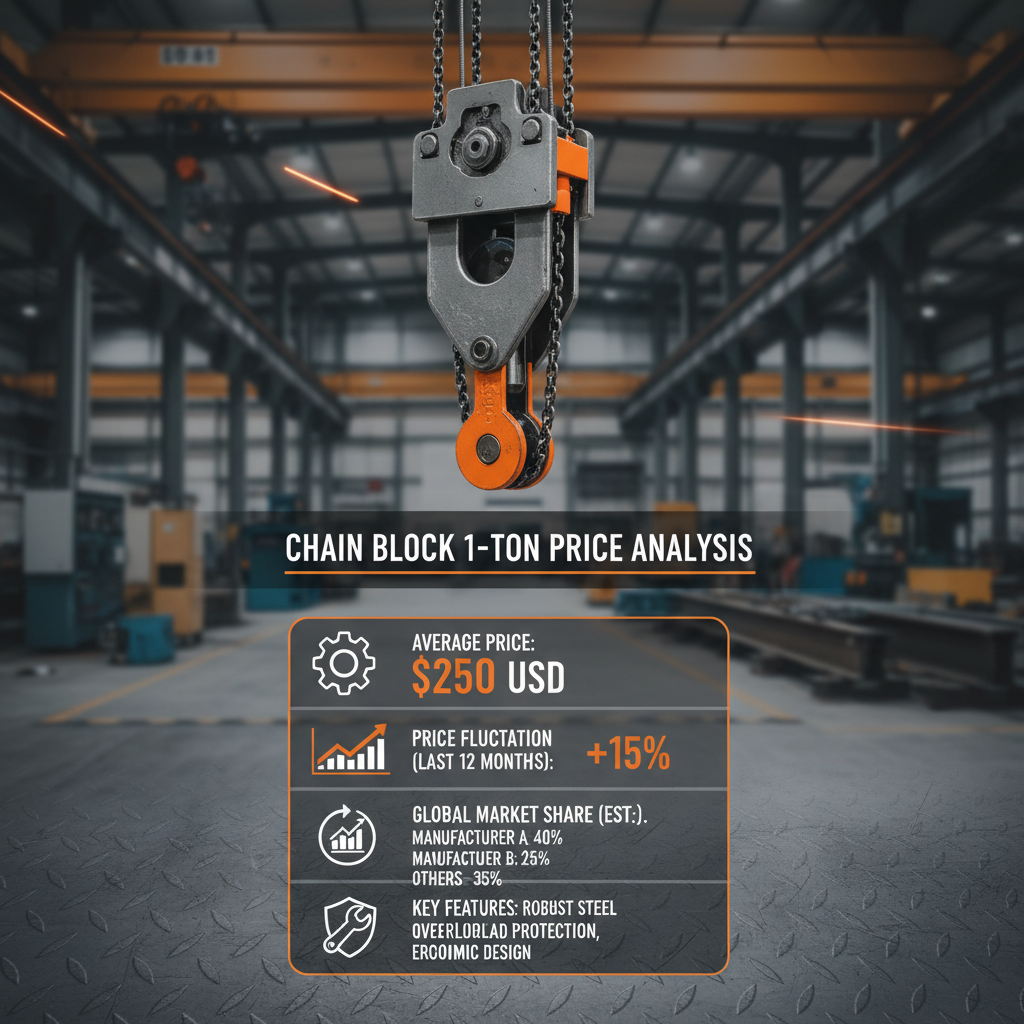
Several factors converge to determine the chain block 1 ton price. The grade of steel used in the chain and components is a primary driver; higher-grade alloys offer superior strength and durability, resulting in a higher price point. Manufacturing processes, including heat treatment and quality control, also contribute significantly to the overall cost.
Furthermore, the level of safety certification (e.g., CE, ASME) and the manufacturer's reputation play crucial roles. Products that meet rigorous safety standards and come from established brands often command a premium due to the assurance of reliability and adherence to industry best practices. Demand, competition, and regional economic conditions also have a notable effect on chain block 1 ton price.
Several factors influence the chain block 1 ton price, including the cost of raw materials (primarily steel), manufacturing processes, labor costs, transportation expenses, and overall market demand. Geopolitical events and fluctuations in currency exchange rates can also play a role. Supply chain disruptions and the availability of skilled labor can impact production costs, leading to price variations.
When purchasing a 1-ton chain block, prioritize products with recognized safety certifications such as CE (European Conformity), ASME (American Society of Mechanical Engineers), and EN (European Norm). These certifications demonstrate that the hoist has been tested and meets established safety standards. Verify that the chain block has an overload protection mechanism and is clearly marked with its rated capacity.
A 1-ton chain block should be inspected regularly – at least every six months, and more frequently with heavy use. Inspections should include checking the chain for wear, examining the hooks for cracks, and verifying the proper function of the lifting mechanism. Lubricate moving parts as recommended by the manufacturer. Regular maintenance extends the lifespan of the hoist and ensures safe operation.
Grade 80 and Grade 100 refer to the strength of the chain alloy. Grade 100 chain is significantly stronger than Grade 80 chain, allowing for a higher safe working load for the same chain diameter. Consequently, chain blocks utilizing Grade 100 chain typically have a higher chain block 1 ton price, but offer increased durability and lifting capacity.
With proper maintenance and regular inspections, a high-quality 1-ton chain block can last for 10-15 years or even longer. The lifespan is heavily dependent on the frequency and intensity of use, as well as the environmental conditions in which it operates. Protecting the hoist from corrosion and ensuring proper lubrication are crucial for maximizing its longevity.
Yes, several emerging technologies are influencing chain block design. These include the integration of smart sensors for load monitoring and predictive maintenance, the use of lighter and stronger materials like high-strength aluminum alloys, and the development of automated chain blocks with variable speed control. Digital twins are also being utilized to optimize hoist design and performance.
In conclusion, understanding the chain block 1 ton price requires a holistic view encompassing material quality, manufacturing precision, safety certifications, and long-term maintenance costs. The global market for chain blocks is dynamic, driven by infrastructure development and industrial growth, demanding a focus on both quality and value.
Investing in a reliable chain block isn't merely an expense; it's an investment in safety, efficiency, and operational longevity. By considering future trends in materials science and technology, and prioritizing reputable manufacturers, you can secure a lifting solution that meets your needs and provides a strong return on investment. For a wide range of chain blocks and expert advice, visit our website: www.qyjuli.com.



 Afrikaans
 Albanian
 Amharic
 Arabic
 Armenian
 Azerbaijani
 Basque
 Belarusian
 Bengali
 Bosnian
 Bulgarian
 Catalan
 Cebuano
 China
China
 China (Taiwan)
 Corsican
 Croatian
 Czech
Czech
 Danish
 Dutch
Dutch
 Esperanto
 Estonian
 Finnish
 French
 Frisian
 Galician
 Georgian
 German
 Greek
Greek
 Gujarati
 Haitian Creole
 Hausa
Hausa
 Hawaiian
 Hebrew
 Hindi
Hindi
 Miao
Miao
 Hungarian
 Icelandic
 Igbo
Igbo
 Indonesian
 Irish
Irish
 Italian
 Japanese
 Javanese
 Kannada
 Kazakh
 Khmer
Khmer
 Rwandese
 Korean
 Kurdish
 Kyrgyz
 Lao
Lao
 Latin
Latin
 Latvian
 Lithuanian
 Luxembourgish
 Macedonian
 Malgashi
 Malay
Malay
 Malayalam
 Maltese
 Maori
Maori
 Marathi
 Mongolian
 Myanmar
 Nepali
 Norwegian
 Norwegian
 Occitan
 Pashto
 Persian
 Polish
 Portuguese
 Punjabi
 Romanian
 Russian
 Samoan
 Scottish Gaelic
 Serbian
 Sesotho
 Shona
Shona
 Sindhi
 Sinhala
 Slovak
 Slovenian
 Somali
 Spanish
 Sundanese
 Swahili
 Swedish
 Tagalog
 Tajik
Tajik
 Tamil
Tamil
 Tatar
Tatar
 Telugu
 Thai
Thai
 Turkish
 Turkmen
 Ukrainian
 Urdu
Urdu
 Uighur
 Uzbek
Uzbek
 Vietnamese
 Welsh
Welsh
 Bantu
Bantu
 Yiddish
 Yoruba
 Zulu
Zulu
 English