

The global demand for efficient material handling solutions is constantly growing, fueled by expanding e-commerce, increasing manufacturing output, and the complexities of modern supply chains. Within this landscape, the pallet truck for sale plays a crucial role, enabling businesses of all sizes to move goods quickly, safely, and cost-effectively. Understanding the nuances of pallet truck options – from manual hand trucks to fully automated models – is essential for optimizing warehouse operations and maintaining a competitive edge.
The importance of readily available and reliable pallet trucks extends beyond commercial enterprises. Humanitarian organizations and disaster relief efforts rely heavily on these tools for distributing essential supplies. Efficient logistics, facilitated by the right pallet truck, can mean the difference between timely aid and critical shortages in emergency situations. The availability of a diverse pallet truck for sale market is therefore a matter of both economic productivity and global welfare.
Investing in the right pallet truck isn't simply about acquiring a piece of equipment; it's about investing in operational efficiency, worker safety, and long-term cost savings. From small businesses managing limited inventory to large-scale distribution centers processing thousands of pallets daily, the appropriate pallet truck is a foundational element of a successful materials handling strategy.
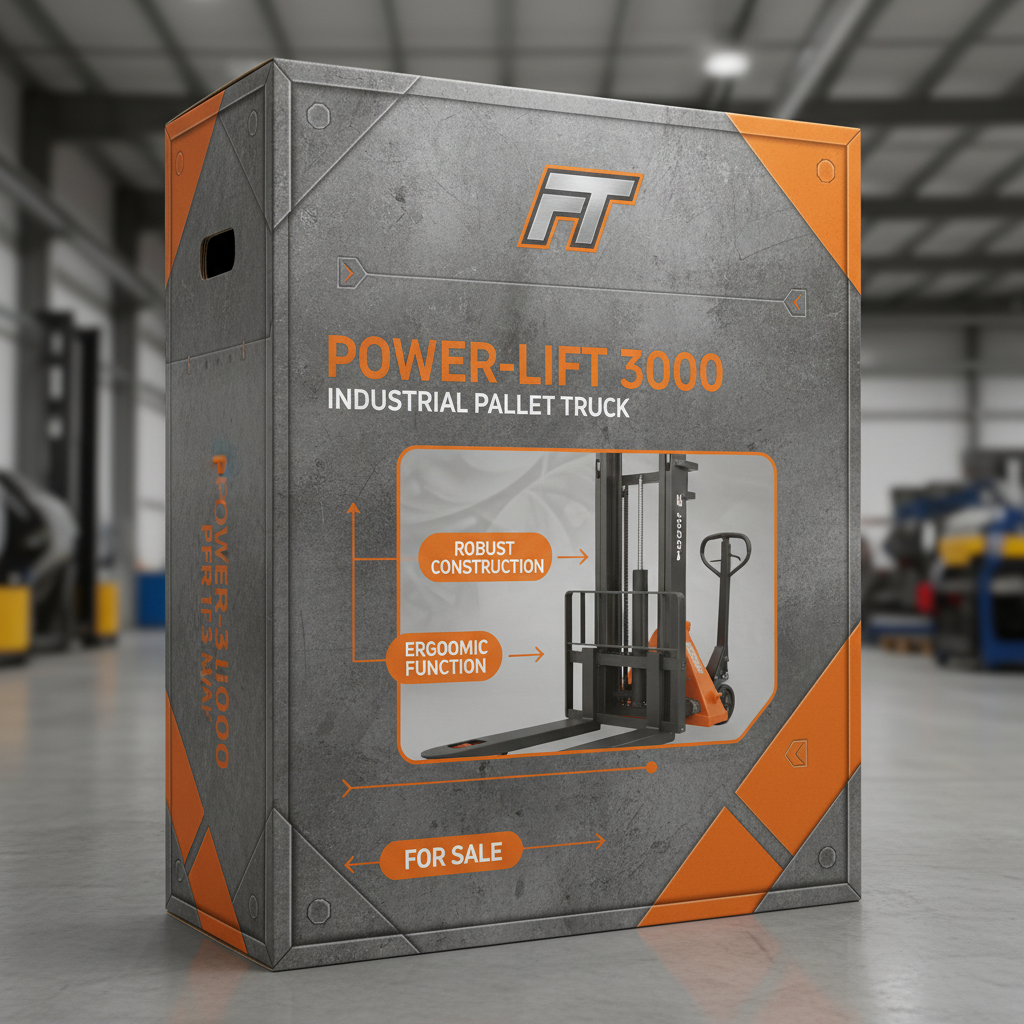
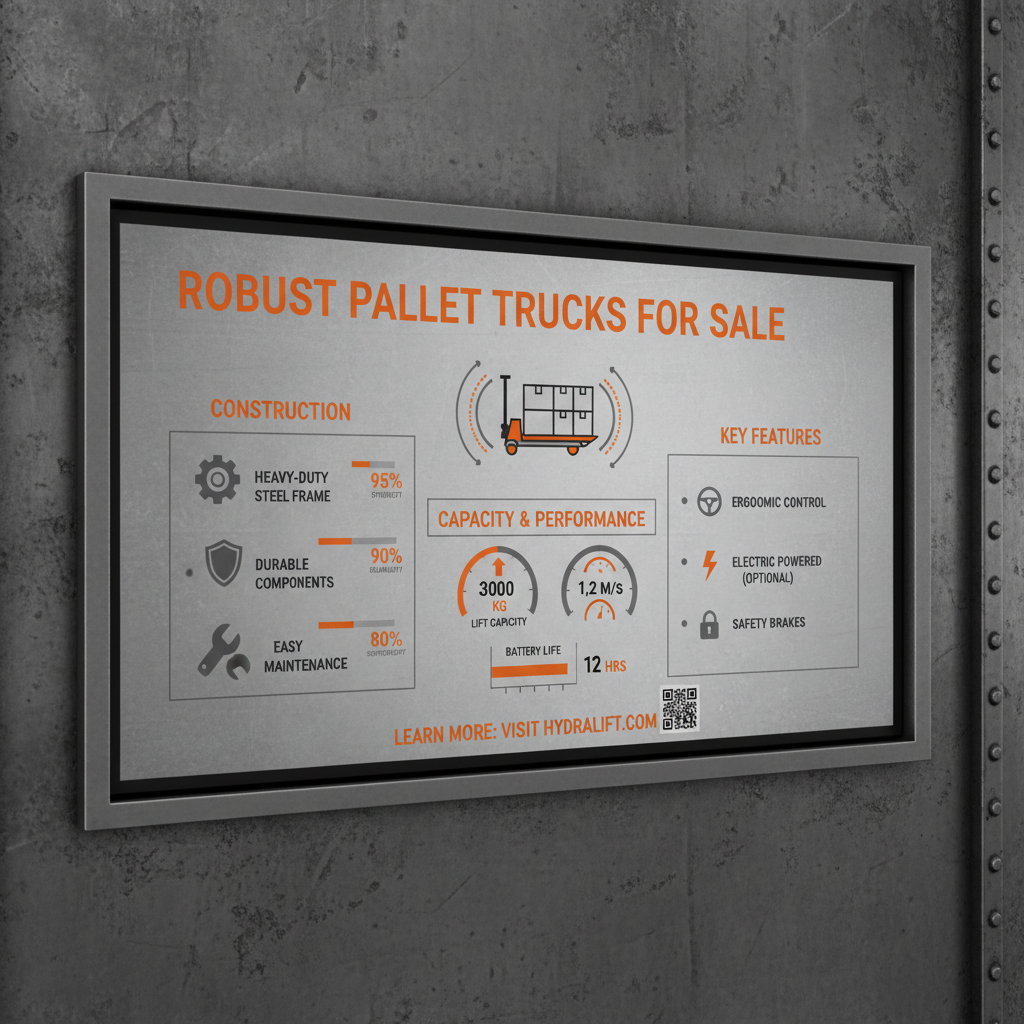
The efficiency of modern logistics hinges on the seamless movement of goods, and the pallet truck is an indispensable tool in this process. From warehouses to loading docks to retail environments, these machines dramatically reduce the manual effort required to transport palletized loads, increasing throughput and lowering labor costs. A well-chosen pallet truck for sale can significantly streamline operations.
Furthermore, the availability of diverse pallet truck options – including electric, manual, and specialized models – allows businesses to tailor their material handling solutions to specific needs and environments. The impact extends beyond the immediate workplace, influencing supply chain agility and ultimately impacting customer satisfaction.
The ideal load capacity depends on the heaviest items you routinely move. It’s crucial to choose a pallet truck with a capacity exceeding your typical load to ensure safety and prevent damage to the equipment. Consider a buffer of at least 20% to accommodate occasional heavier loads. Always check the manufacturer's specifications and never exceed the stated capacity of the pallet truck for sale.
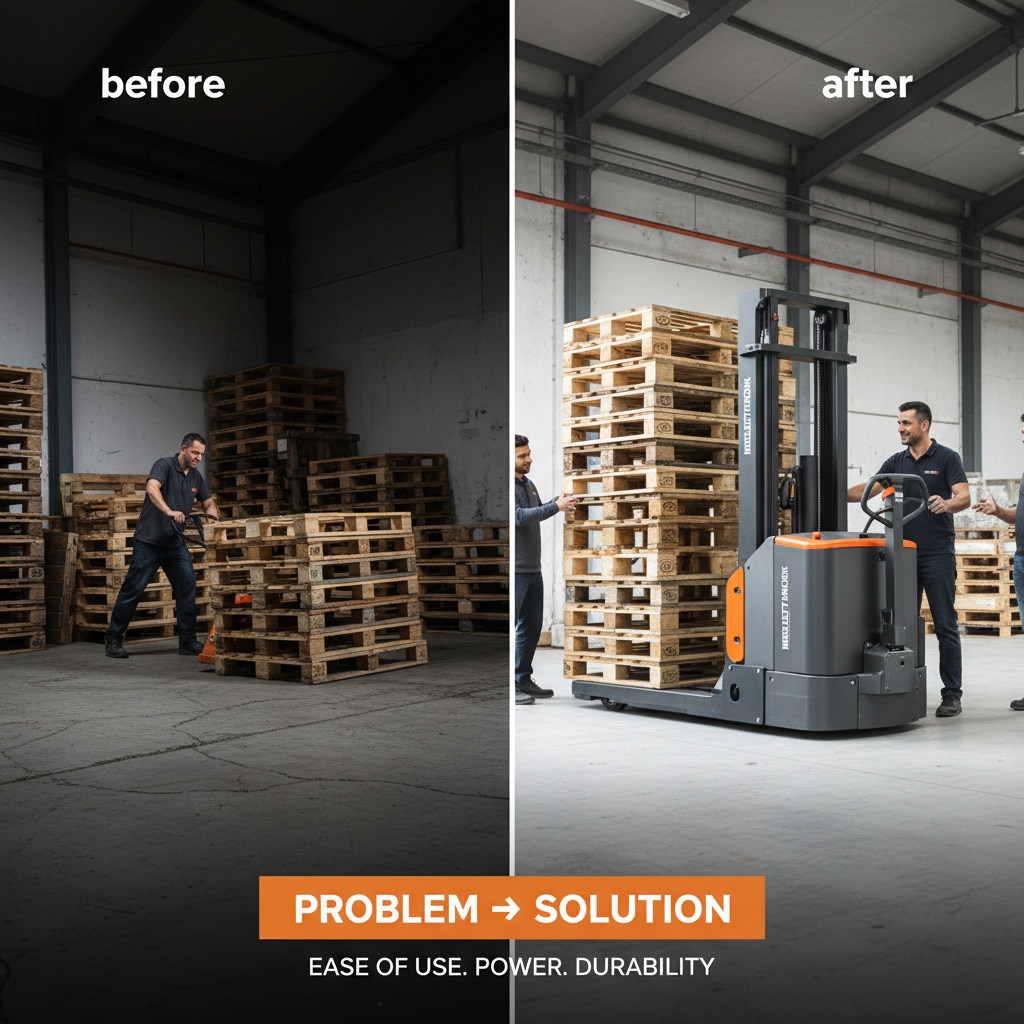
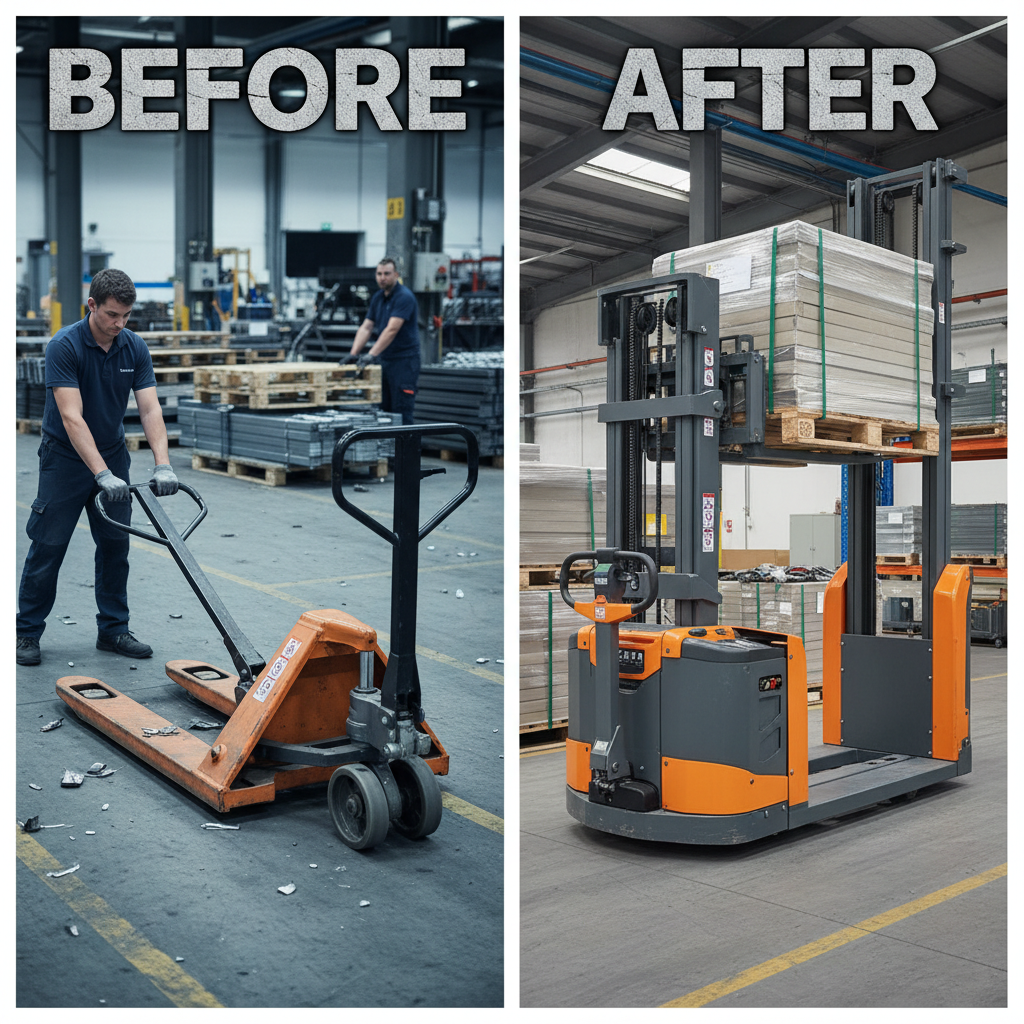
Electric pallet trucks offer several advantages, including reduced operator fatigue, increased efficiency, and improved safety. They require less physical effort to operate, allowing workers to move pallets quickly and easily over longer distances. Furthermore, electric models often include features like speed control and ergonomic handles, enhancing comfort and minimizing the risk of injury. While more expensive upfront, the long-term cost savings from increased productivity and reduced labor costs often make them a worthwhile investment.
Regular maintenance is key to ensuring the longevity and reliability of your pallet truck. Daily checks should include inspecting the forks for damage, verifying the functionality of the lifting mechanism, and checking tire pressure (if applicable). A more comprehensive inspection should be performed at least every six months, including lubricating moving parts, checking hydraulic fluid levels, and inspecting the electrical system (for electric models). Following the manufacturer’s maintenance schedule will help prevent costly repairs and extend the life of your pallet truck for sale.
The lifespan of a pallet truck varies depending on usage, maintenance, and the quality of the equipment. A well-maintained manual pallet truck can last for 5-10 years, while an electric pallet truck may last for 7-15 years. Factors that can shorten the lifespan include heavy use, improper maintenance, and operation in harsh environments. Investing in a high-quality pallet truck for sale and adhering to a regular maintenance schedule will maximize its lifespan.
Yes, pallet trucks come with various fork widths to accommodate different pallet sizes and configurations. It’s essential to choose a pallet truck with forks that are compatible with the pallets you’ll be using. Standard pallet widths range from 48 inches to 40 inches, but custom fork widths are also available for specialized applications. Ensure the fork width allows for secure engagement with the pallet’s stringers or runners to prevent slippage or damage during transport.
Safety should be a top priority when selecting a pallet truck. Essential safety features include an emergency stop button, reinforced forks, a durable handle with a comfortable grip, and a stable base. For electric models, look for features like speed control and a battery management system. Additionally, ensure the pallet truck meets relevant safety standards and regulations. Proper operator training is also crucial to minimize the risk of accidents. Choose a pallet truck for sale with a robust safety design.
The pallet truck for sale is an indispensable tool in modern material handling, impacting industries from warehousing and logistics to retail and manufacturing. Its ability to streamline operations, improve efficiency, and enhance worker safety makes it a vital investment for businesses of all sizes. Understanding the various types of pallet trucks, their core components, and emerging technologies is crucial for making informed purchasing decisions.
Looking ahead, the future of pallet trucks will be shaped by automation, smart technologies, and a growing focus on sustainability. By embracing these advancements, businesses can optimize their material handling processes, reduce costs, and improve their overall competitiveness. Visit our website at www.qyjuli.com to explore our extensive selection of pallet trucks and find the perfect solution for your needs.



 Afrikaans
 Albanian
 Amharic
 Arabic
 Armenian
 Azerbaijani
 Basque
 Belarusian
 Bengali
 Bosnian
 Bulgarian
 Catalan
 Cebuano
 China
China
 China (Taiwan)
 Corsican
 Croatian
 Czech
Czech
 Danish
 Dutch
Dutch
 Esperanto
 Estonian
 Finnish
 French
 Frisian
 Galician
 Georgian
 German
 Greek
Greek
 Gujarati
 Haitian Creole
 Hausa
Hausa
 Hawaiian
 Hebrew
 Hindi
Hindi
 Miao
Miao
 Hungarian
 Icelandic
 Igbo
Igbo
 Indonesian
 Irish
Irish
 Italian
 Japanese
 Javanese
 Kannada
 Kazakh
 Khmer
Khmer
 Rwandese
 Korean
 Kurdish
 Kyrgyz
 Lao
Lao
 Latin
Latin
 Latvian
 Lithuanian
 Luxembourgish
 Macedonian
 Malgashi
 Malay
Malay
 Malayalam
 Maltese
 Maori
Maori
 Marathi
 Mongolian
 Myanmar
 Nepali
 Norwegian
 Norwegian
 Occitan
 Pashto
 Persian
 Polish
 Portuguese
 Punjabi
 Romanian
 Russian
 Samoan
 Scottish Gaelic
 Serbian
 Sesotho
 Shona
Shona
 Sindhi
 Sinhala
 Slovak
 Slovenian
 Somali
 Spanish
 Sundanese
 Swahili
 Swedish
 Tagalog
 Tajik
Tajik
 Tamil
Tamil
 Tatar
Tatar
 Telugu
 Thai
Thai
 Turkish
 Turkmen
 Ukrainian
 Urdu
Urdu
 Uighur
 Uzbek
Uzbek
 Vietnamese
 Welsh
Welsh
 Bantu
Bantu
 Yiddish
 Yoruba
 Zulu
Zulu
 English