

Electric winch suppliers play a crucial role in a vast array of industries, from construction and marine operations to manufacturing and emergency response. The demand for reliable and efficient winch systems is consistently growing due to increased infrastructure development, a heightened focus on safety regulations, and the necessity for specialized lifting equipment. Understanding the landscape of electric winch supplier offerings is vital for businesses seeking to optimize their operations and minimize downtime.
Globally, the electric winch market is experiencing significant expansion, driven by technological advancements and a shift towards electrically powered machinery. Factors such as the rising cost of fuel, environmental concerns, and the need for precise control are fueling this transition. Effective sourcing from a qualified electric winch supplier is essential for ensuring quality, adherence to international standards, and competitive pricing.
Choosing the right electric winch supplier isn't simply about finding the lowest price; it's about establishing a long-term partnership built on trust, expertise, and a commitment to delivering solutions tailored to specific needs. This impacts project timelines, operational efficiency, and ultimately, the bottom line.
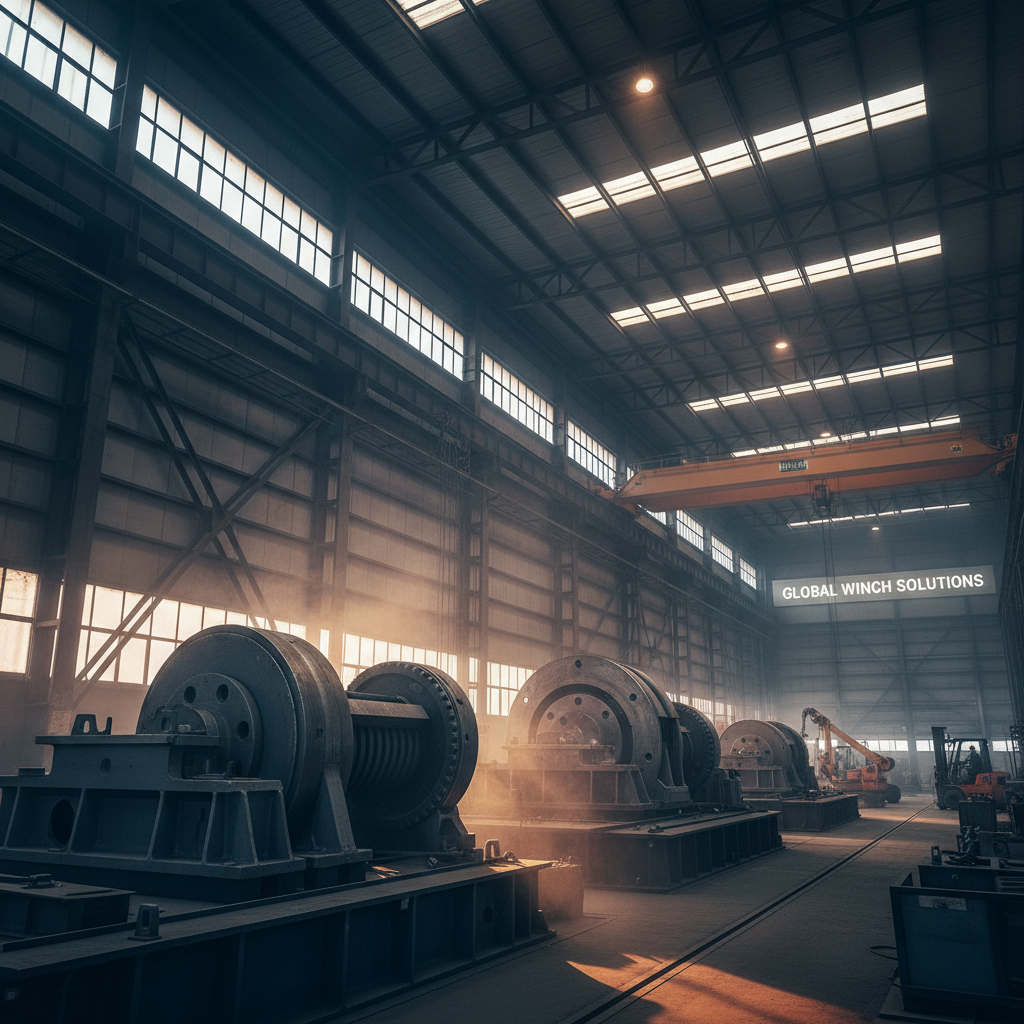
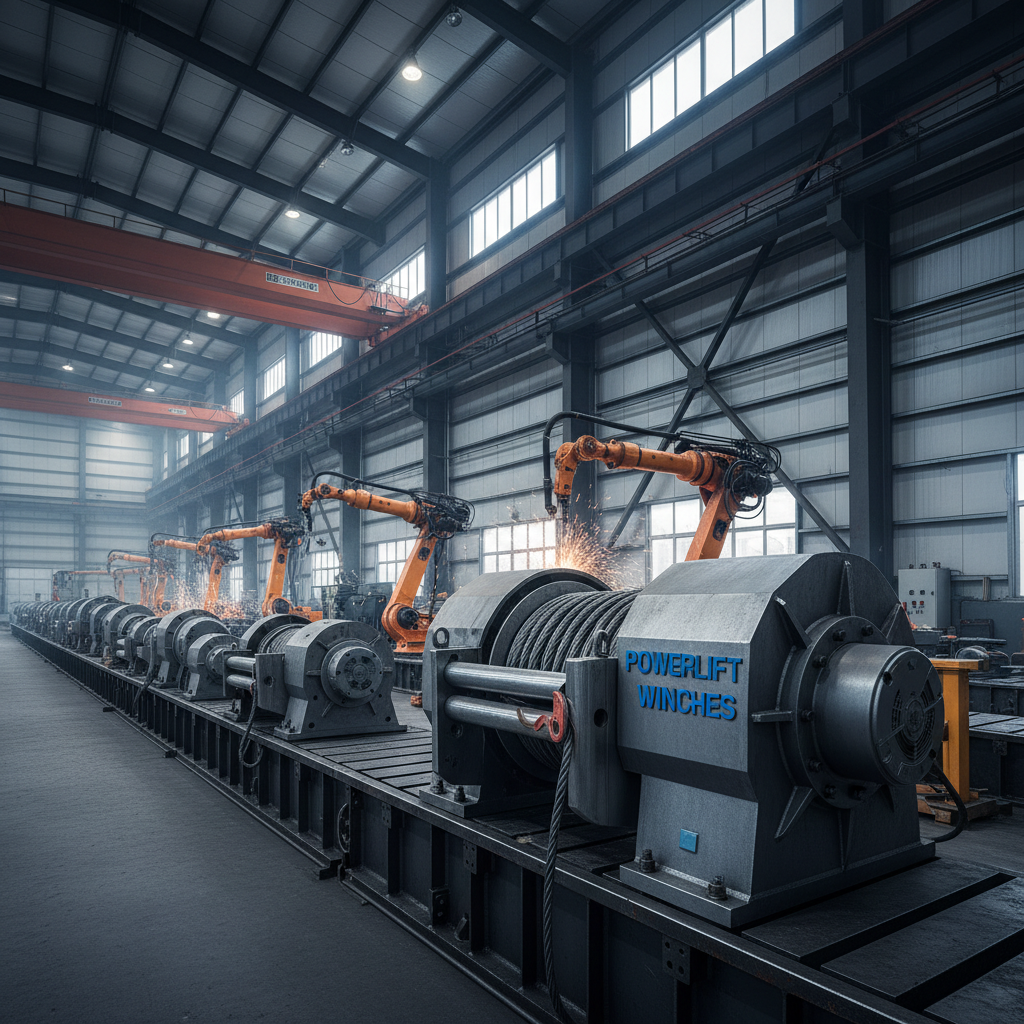
The role of an electric winch supplier extends far beyond simply providing a product. A quality electric winch supplier offers comprehensive solutions, including design assistance, custom engineering, installation support, and ongoing maintenance services. This holistic approach is critical for maximizing the lifespan and performance of the winch system.
In today's competitive market, businesses require more than just a functional winch; they need a reliable partner who understands their unique challenges and can deliver tailored solutions. A proficient supplier will prioritize safety, efficiency, and cost-effectiveness, ensuring a return on investment and minimizing operational disruptions.
When evaluating an electric winch supplier, prioritize certifications like ISO 9001 (quality management), CE marking (European safety standards), and potentially specific certifications relevant to your industry (e.g., ABS for marine applications). These demonstrate a commitment to quality, safety, and regulatory compliance. Checking for compliance with local standards is also vital, ensuring the winch meets regional safety requirements and operational regulations. A good supplier will readily provide documentation verifying these certifications.
The lead time for a custom-designed electric winch varies significantly depending on the complexity of the design, the availability of components, and the supplier's workload. Generally, you can expect a lead time of 8-16 weeks, but it could be longer for highly specialized or large-scale projects. It’s crucial to discuss the project requirements with the supplier upfront and obtain a detailed timeline before placing an order. Clear communication and regular progress updates are key to managing expectations.
Reputable electric winch suppliers offer a comprehensive range of after-sales support services, including technical assistance, troubleshooting guidance, spare parts availability, and on-site maintenance. Some suppliers may also offer preventative maintenance programs and operator training. It's important to inquire about the extent of their support network and the response time for service requests. A supplier that prioritizes customer satisfaction will provide prompt and reliable support.
When purchasing an electric winch for hazardous environments (e.g., explosive atmospheres), it’s crucial to specify the environmental requirements to the supplier. Ensure the winch is certified for the specific hazard class (e.g., ATEX, IECEx) and meets the necessary safety standards. Features such as explosion-proof motors, enclosures, and wiring are essential. The supplier should provide detailed documentation verifying the winch's suitability for the intended environment.
Regular maintenance is crucial for ensuring the longevity and reliability of an electric winch. Common maintenance tasks include lubricating moving parts, inspecting the rope or chain for wear and tear, checking the electrical connections, and testing the braking system. The supplier should provide a detailed maintenance manual outlining the recommended procedures and intervals. Implementing a preventative maintenance schedule can significantly reduce the risk of unexpected breakdowns.
Geared electric winches utilize a gearbox to increase torque and reduce speed, making them suitable for heavy-duty applications. Direct-drive winches offer higher lifting speeds and are typically more compact, but may have lower torque capacity. The choice between the two depends on the specific application requirements. Geared winches are often preferred for applications requiring high pulling force, while direct-drive winches are suitable for lighter loads and faster lifting cycles. An experienced electric winch supplier can help you determine the best option for your needs.
In conclusion, selecting the right electric winch supplier is paramount for businesses across numerous industries. The factors discussed – durability, technical expertise, adherence to standards, and after-sales support – are all crucial components of a successful partnership. By prioritizing these elements, companies can ensure they receive reliable, efficient, and safe winch systems tailored to their specific needs.
Looking ahead, the electric winch industry will continue to evolve, driven by technological innovation and a growing emphasis on sustainability. Embracing these advancements and partnering with a forward-thinking supplier will be essential for maximizing operational efficiency, minimizing environmental impact, and achieving long-term success.



 Afrikaans
 Albanian
 Amharic
 Arabic
 Armenian
 Azerbaijani
 Basque
 Belarusian
 Bengali
 Bosnian
 Bulgarian
 Catalan
 Cebuano
 China
China
 China (Taiwan)
 Corsican
 Croatian
 Czech
Czech
 Danish
 Dutch
Dutch
 Esperanto
 Estonian
 Finnish
 French
 Frisian
 Galician
 Georgian
 German
 Greek
Greek
 Gujarati
 Haitian Creole
 Hausa
Hausa
 Hawaiian
 Hebrew
 Hindi
Hindi
 Miao
Miao
 Hungarian
 Icelandic
 Igbo
Igbo
 Indonesian
 Irish
Irish
 Italian
 Japanese
 Javanese
 Kannada
 Kazakh
 Khmer
Khmer
 Rwandese
 Korean
 Kurdish
 Kyrgyz
 Lao
Lao
 Latin
Latin
 Latvian
 Lithuanian
 Luxembourgish
 Macedonian
 Malgashi
 Malay
Malay
 Malayalam
 Maltese
 Maori
Maori
 Marathi
 Mongolian
 Myanmar
 Nepali
 Norwegian
 Norwegian
 Occitan
 Pashto
 Persian
 Polish
 Portuguese
 Punjabi
 Romanian
 Russian
 Samoan
 Scottish Gaelic
 Serbian
 Sesotho
 Shona
Shona
 Sindhi
 Sinhala
 Slovak
 Slovenian
 Somali
 Spanish
 Sundanese
 Swahili
 Swedish
 Tagalog
 Tajik
Tajik
 Tamil
Tamil
 Tatar
Tatar
 Telugu
 Thai
Thai
 Turkish
 Turkmen
 Ukrainian
 Urdu
Urdu
 Uighur
 Uzbek
Uzbek
 Vietnamese
 Welsh
Welsh
 Bantu
Bantu
 Yiddish
 Yoruba
 Zulu
Zulu
 English