

Fall protection types are crucial for safeguarding workers and individuals at height across diverse industries. Globally, falls remain a leading cause of workplace injuries and fatalities, emphasizing the urgent need for effective fall protection measures. Understanding the various fall protection types—from personal protective equipment (PPE) to engineered control systems—is paramount for creating safer work environments and minimizing risk. A comprehensive approach, incorporating proper training, inspection, and adherence to safety regulations, is essential for successful fall protection implementation.
The relevance of fall protection extends beyond occupational safety, impacting sectors like construction, oil and gas, telecommunications, and even recreational activities like rock climbing. International organizations like the International Labour Organization (ILO) and the International Organization for Standardization (ISO) promote stringent safety standards to reduce fall-related incidents worldwide. The economic burden of falls, encompassing medical expenses, lost productivity, and legal costs, further underscores the significance of investing in robust fall protection systems.
Effective fall protection isn't merely about compliance; it's about protecting lives and fostering a culture of safety. The implementation of appropriate fall protection types contributes to increased worker morale, reduced insurance premiums, and enhanced project efficiency. Advancements in materials and technology are continually driving innovation in fall protection, leading to more comfortable, durable, and effective solutions.
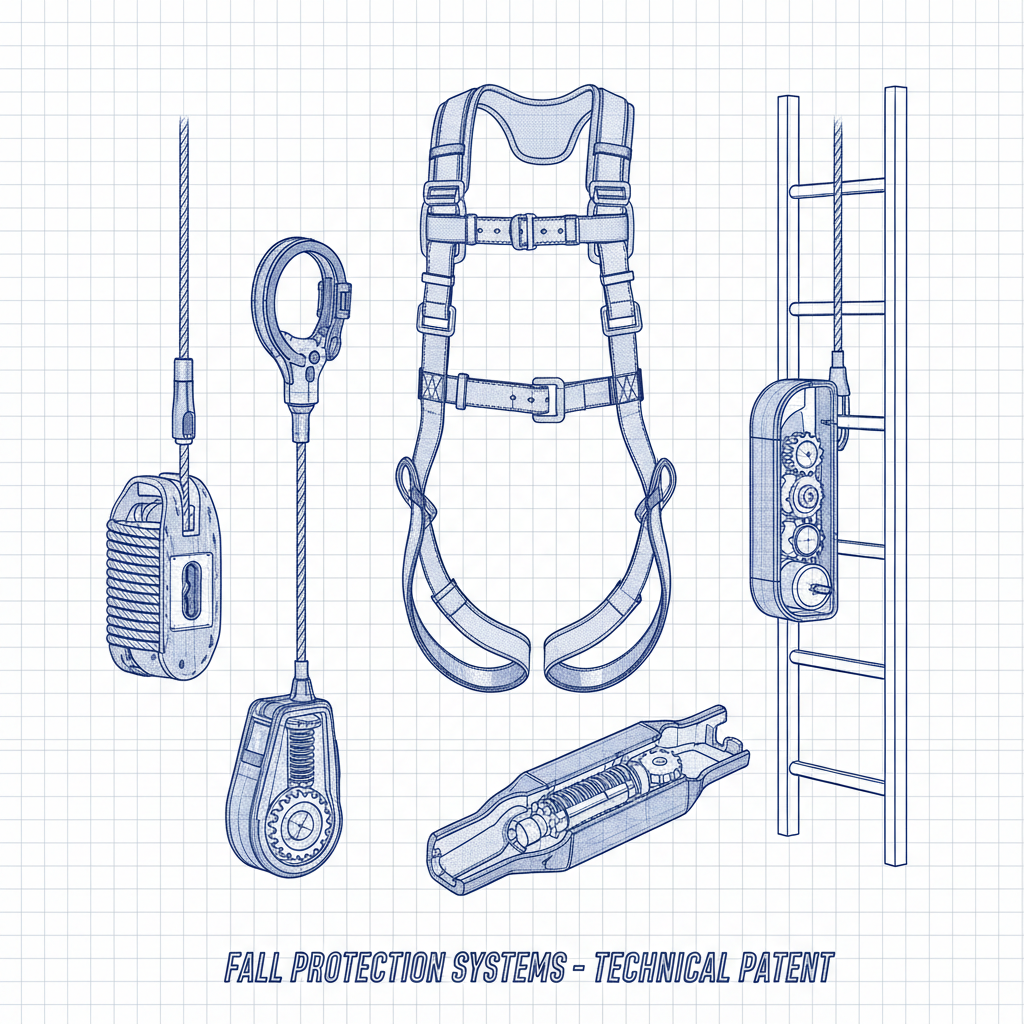
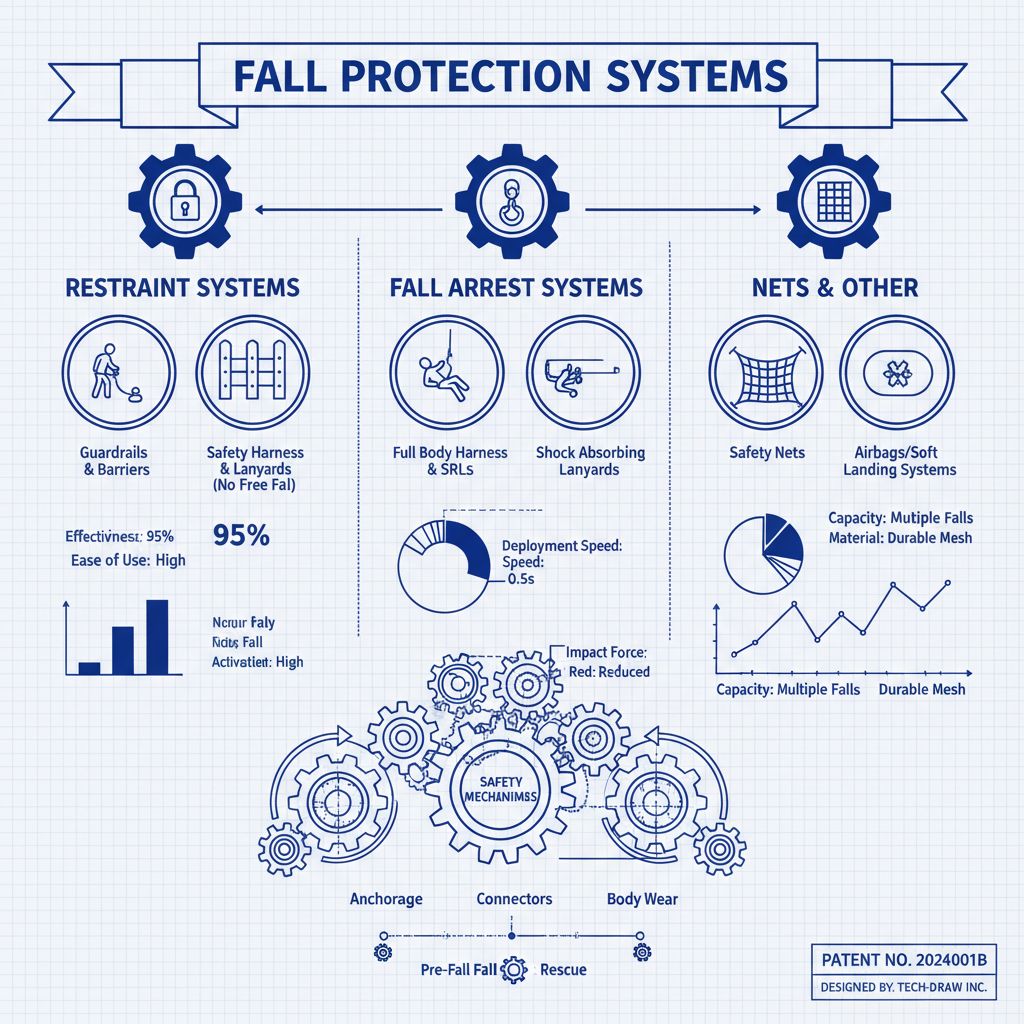
There’s a broad spectrum of fall protection types available, each designed to mitigate the risk of injuries resulting from falls from height. These systems range from simple fall arrest devices, like harnesses and lanyards, to more complex engineered solutions like guardrails and safety nets. Choosing the right fall protection type depends on a careful assessment of the specific hazards present, the work being performed, and the individual needs of the workers involved. fall protection types require a thorough understanding of applicable regulations and best practices.
The core principle behind fall protection is to prevent workers from falling or, if a fall occurs, to minimize the impact force and prevent contact with lower-level objects. This is achieved through a hierarchy of controls, prioritizing elimination of the hazard, followed by passive controls (like guardrails), then active controls (like personal fall arrest systems), and finally administrative controls (like training and procedures).
Fall arrest systems are designed to stop a fall after it has begun, using components like harnesses and lanyards to absorb the impact force. Fall restraint systems, conversely, prevent a fall from happening in the first place by restricting worker movement. Restraint systems are generally preferred as they eliminate the risk of a fall altogether, while arrest systems rely on a fall occurring and then being safely stopped.
Fall protection equipment should be inspected regularly, with the frequency depending on the type of equipment and the conditions of use. Generally, a visual inspection before each use is crucial, checking for any signs of damage or wear. Formal, documented inspections should be conducted annually by a competent person, as outlined by OSHA or relevant safety regulations. Specific components might require more frequent inspections.
Workers who are exposed to fall hazards must receive comprehensive training on fall protection procedures, equipment usage, hazard identification, and emergency response. This training should include hands-on practice with the equipment and a thorough understanding of the relevant regulations. Refresher training is also essential to maintain competency and address any changes in procedures or equipment.
No, not necessarily. Lanyards and harnesses must be compatible in terms of connectors and load capacity. Using incompatible equipment could compromise the effectiveness of the fall protection system. Ensure that the lanyard’s connector type matches the harness's D-ring and that both components are rated to handle the anticipated fall forces. Always refer to the manufacturer's instructions for compatibility information.
A competent person is someone who is capable of identifying existing and predictable hazards in the workplace and has authorization to take prompt corrective measures to eliminate them. For fall protection, a competent person must have specific training and knowledge related to fall protection systems, inspection procedures, and relevant regulations. They are responsible for conducting site-specific hazard assessments and ensuring the safe implementation of fall protection measures.
Safety nets, while effective, have limitations. They require sufficient clearance below the work area to absorb the fall impact. They can also be impractical in situations where the work area is congested or where there are obstructions below. Regular inspection is critical, as damage can compromise their effectiveness. Additionally, nets may not be suitable for all types of work, particularly those involving heavy equipment or materials.
In conclusion, fall protection types represent a vital component of workplace safety and a crucial investment in human well-being. From understanding the diverse range of available systems to prioritizing comprehensive training and regular inspections, a proactive approach to fall protection is essential for mitigating risks and preventing life-altering injuries. The adoption of innovative technologies and a commitment to continuous improvement will further enhance the effectiveness of fall protection measures in the years to come.
Looking ahead, the industry will see a growing emphasis on smart fall protection systems, sustainable materials, and data-driven safety analytics. By embracing these advancements and fostering a strong safety culture, we can strive towards a future where falls from height are significantly reduced, ensuring a safer and more productive working environment for everyone. Visit our website: www.qyjuli.com to learn more about our fall protection solutions.



 Afrikaans
 Albanian
 Amharic
 Arabic
 Armenian
 Azerbaijani
 Basque
 Belarusian
 Bengali
 Bosnian
 Bulgarian
 Catalan
 Cebuano
 China
China
 China (Taiwan)
 Corsican
 Croatian
 Czech
Czech
 Danish
 Dutch
Dutch
 Esperanto
 Estonian
 Finnish
 French
 Frisian
 Galician
 Georgian
 German
 Greek
Greek
 Gujarati
 Haitian Creole
 Hausa
Hausa
 Hawaiian
 Hebrew
 Hindi
Hindi
 Miao
Miao
 Hungarian
 Icelandic
 Igbo
Igbo
 Indonesian
 Irish
Irish
 Italian
 Japanese
 Javanese
 Kannada
 Kazakh
 Khmer
Khmer
 Rwandese
 Korean
 Kurdish
 Kyrgyz
 Lao
Lao
 Latin
Latin
 Latvian
 Lithuanian
 Luxembourgish
 Macedonian
 Malgashi
 Malay
Malay
 Malayalam
 Maltese
 Maori
Maori
 Marathi
 Mongolian
 Myanmar
 Nepali
 Norwegian
 Norwegian
 Occitan
 Pashto
 Persian
 Polish
 Portuguese
 Punjabi
 Romanian
 Russian
 Samoan
 Scottish Gaelic
 Serbian
 Sesotho
 Shona
Shona
 Sindhi
 Sinhala
 Slovak
 Slovenian
 Somali
 Spanish
 Sundanese
 Swahili
 Swedish
 Tagalog
 Tajik
Tajik
 Tamil
Tamil
 Tatar
Tatar
 Telugu
 Thai
Thai
 Turkish
 Turkmen
 Ukrainian
 Urdu
Urdu
 Uighur
 Uzbek
Uzbek
 Vietnamese
 Welsh
Welsh
 Bantu
Bantu
 Yiddish
 Yoruba
 Zulu
Zulu
 English