

When evaluating material handling equipment for a busy warehouse, the decision to buy electric pallet jack solutions often stems from a need to reduce operator fatigue and accelerate throughput. Traditional manual lifting is increasingly insufficient for modern logistics hubs where volume and speed are critical. The shift toward motorized assistance is not just about convenience, but about optimizing the physical flow of goods from receiving docks to storage racks.
Efficient movement within a facility requires a synergy between different lifting tools. While a Pallet Truck handles basic transport, integrating electric power minimizes the strain of repeated lifting and pulling. For facilities managing oversized loads or high-frequency cycles, the precision of an electric system ensures that goods are moved safely without risking structural damage to the pallets or injury to the personnel.
Understanding the technical specifications and application limits is essential for making a sustainable investment. This guide analyzes the critical factors of motorized transport, focusing on how specific design features impact long-term reliability. For those seeking professional grade equipment, exploring a buy electric pallet jack approach can significantly enhance operational efficiency in manufacturing and logistics environments.


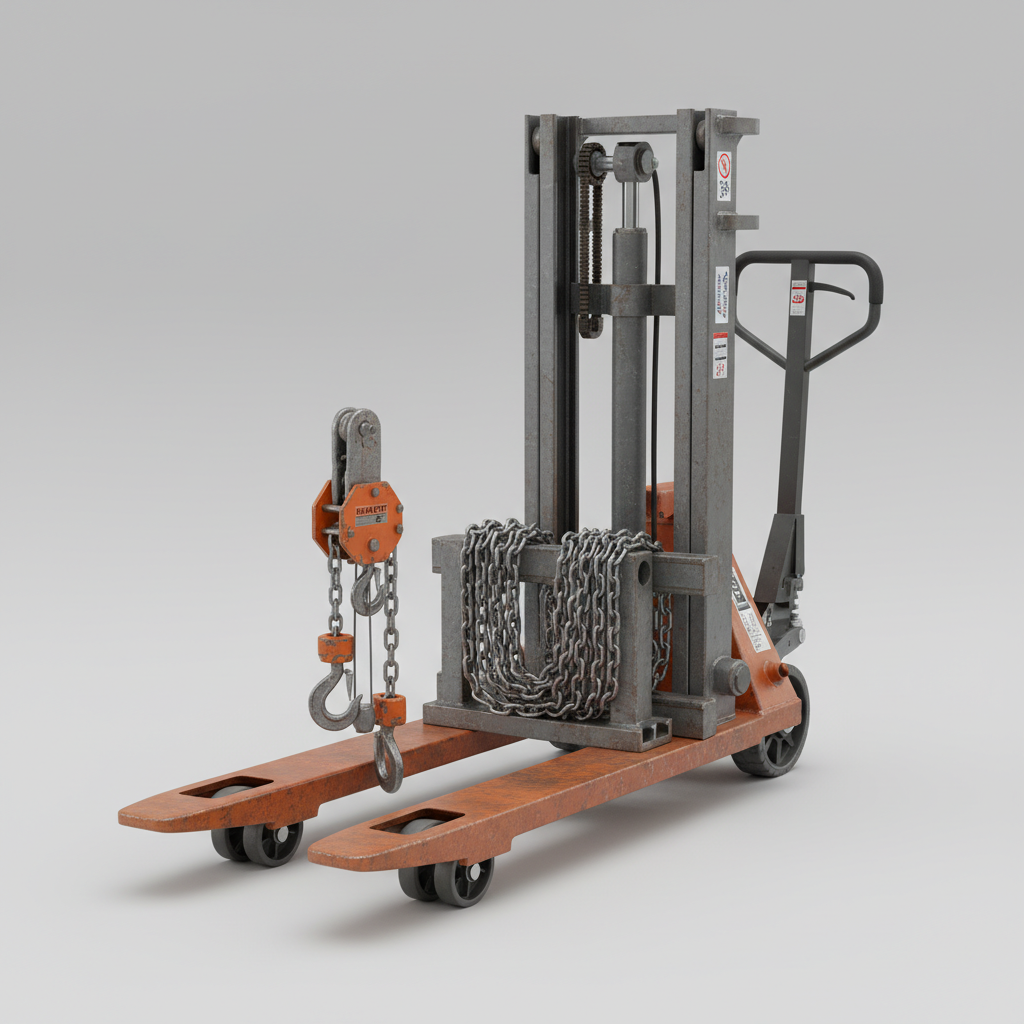
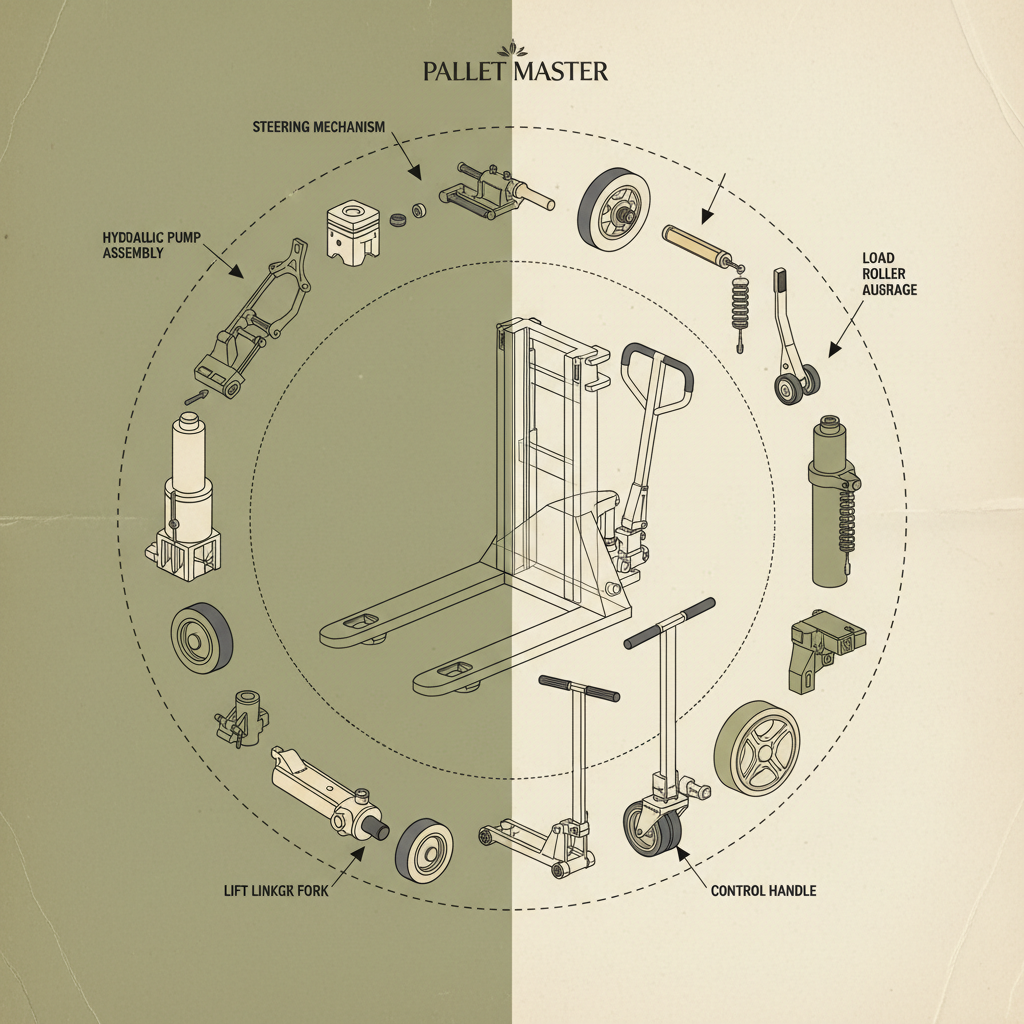
Motorized pallet transport relies on a synchronized system of hydraulic pumps and electrical drive units. Unlike manual trucks, these systems use a powered lift mechanism to raise loads, significantly reducing the physical effort required from the operator. The core structure consists of a reinforced chassis, a steering handle with integrated controls, and a durable fork assembly designed to slide under standard and non-standard pallets.
In professional settings, the integration of seamless casting in the pump system is a critical technical detail. This design eliminates potential leak points and enhances the pressure consistency during the lifting phase. When paired with high-grade load wheels, the equipment can maintain stability even when operating at maximum capacity, ensuring that the center of gravity remains secure during transit across workshop floors.
The durability of a pallet truck is determined by the quality of its structural reinforcement. Utilizing four reinforced bars to strengthen the forks prevents bending and warping under heavy loads, which is essential for maintaining long-term alignment. The use of laser cutting machines and welding robots during production ensures that every joint is precise, reducing the risk of structural fatigue during repetitive stress cycles.
High-precision automated production, combined with first-class material selection for accessories, directly correlates to a lower failure rate and extended service intervals in demanding industrial environments.
Furthermore, the choice of load wheels—such as tandem wheel configurations—is vital for distributing weight effectively. This reduces the pressure on the flooring and allows the equipment to glide smoothly over minor surface irregularities. When the steering wheel is optimized for ergonomics, operators can navigate tight corners in narrow warehouse aisles with greater precision and less effort.
The primary value of motorized transport is the drastic increase in pallets moved per hour. By removing the physical limitation of manual pumping, workers can sustain a consistent pace throughout an entire shift. This reliability is particularly evident in logistics and express delivery hubs where the volume of incoming and outgoing shipments fluctuates rapidly.
The shift from manual to electric operation reduces worker compensation risks related to musculoskeletal injuries, creating a safer workspace while simultaneously increasing the overall throughput of the facility.
Beyond speed, the ability to handle customized dimensions provides strategic flexibility. For instance, super long pallet trucks are indispensable for moving oversized items that standard equipment cannot secure. This capability prevents the need for multiple manual hand-offs, reducing the risk of product damage during transit from the production line to the shipping bay.
Selecting the correct fork length is a balance between load stability and maneuverability. Shorter forks are ideal for compact warehouses with tight turning radii, whereas extended forks are required for specialized industrial loads. For example, the CBY series offers lengths ranging from 1500mm to 2000mm to accommodate different load profiles.
When comparing models, the overall length of the equipment increases proportionally with the fork length, affecting the minimum turning circle. It is crucial to match the equipment length to the actual aisle width of the facility to avoid operational bottlenecks.
The versatility of these trucks allows them to operate across various sectors. In supermarkets and retail warehouses, they are used for rapid restocking and palletized inventory movement. In mining and construction sites, reinforced models are deployed to handle rugged terrain and heavier, more irregularly shaped materials that require specialized support.
Manufacturing plants utilize these tools to move semi-finished goods between workstations. The compact structure allows them to fit into production cells without obstructing the workflow. By aligning the equipment's lifting height and fork width with the specific pallets used in the plant, companies can eliminate redundant handling steps.
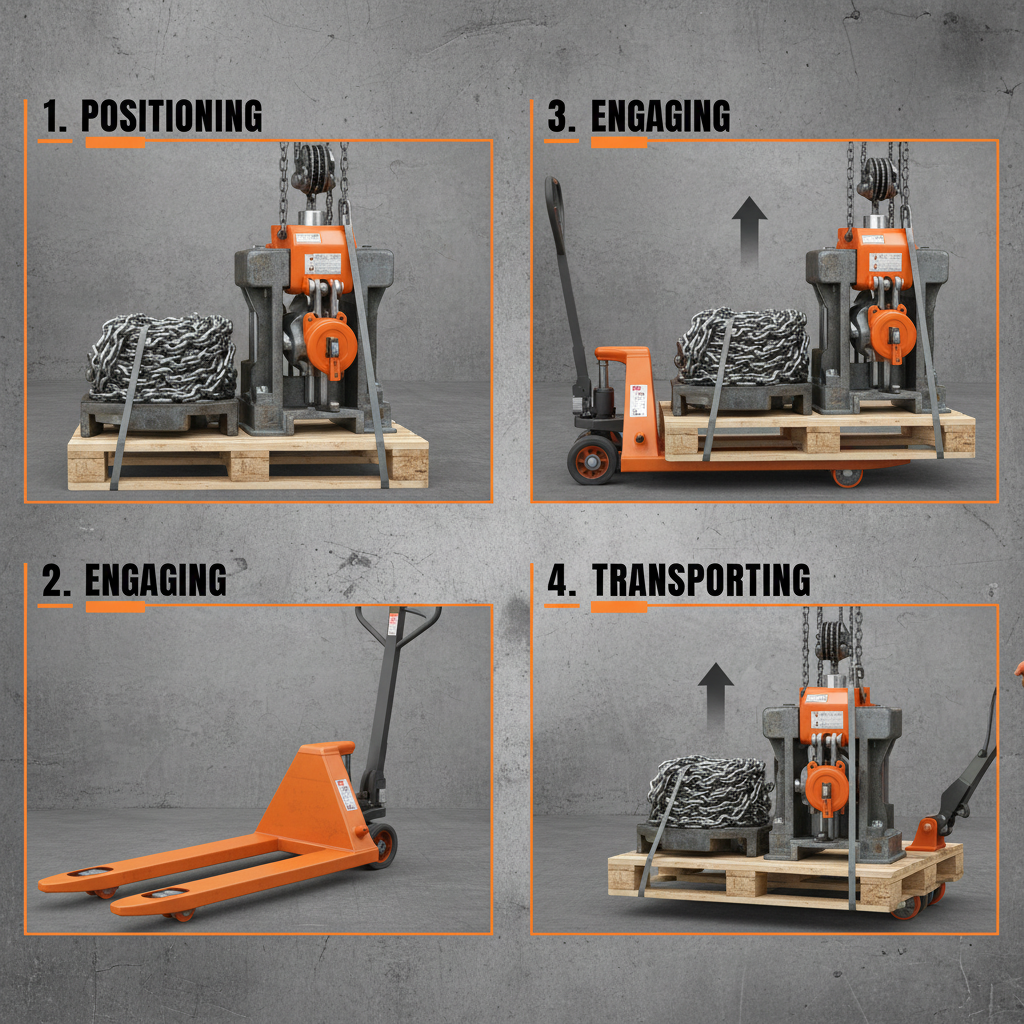
The industry is moving toward a comprehensive "hoisting ecosystem" where pallet trucks work in tandem with other lifting tools. Integrating Pallet Trucks with Chain Blocks and Electric Winches allows a facility to manage both horizontal transport and vertical lifting with a unified quality standard. This holistic approach ensures that safety certifications, such as CE and ISO9001, are consistent across all equipment.
Innovation is also focusing on the reduction of noise levels. Modern units are designed to operate below 70dB, which is essential for maintaining a healthy work environment in enclosed workshops. This focus on the "human element" of engineering ensures that equipment remains efficient without contributing to auditory fatigue for the staff.
As global markets evolve, the demand for customizable equipment is rising. The ability to adjust fork width (e.g., 550mm or 685mm) allows businesses to adapt to different international pallet standards, making the equipment a scalable asset for companies exporting goods to multiple regions.
One of the primary challenges in material handling is the risk of load instability. This is often caused by using equipment that is too short for the load or lacks sufficient reinforcement. By implementing a strict selection process based on load dimensions and weight, facilities can eliminate these risks.
Maintenance is another critical hurdle. Regular lubrication of the pump and inspection of the load wheels are necessary to prevent downtime. Utilizing equipment produced via full-flow production—from steel plate cutting to final assembly—ensures that replacement parts are standardized and readily available.
Finally, the transition to motorized systems requires operator training. Ensuring that staff understand the controls and safety limits of the equipment prevents accidents and prolongs the lifespan of the machine. A structured approach to equipment deployment leads to a more predictable and safe operational environment.
| Model | Fork Length | Overall Length | Max Lift Height |
|---|---|---|---|
| CBY-L15 | 1500 mm | 1870 mm | 195 mm |
| CBY-L18 | 1800 mm | 2170 mm | 195 mm |
| CBY-L20 | 2000 mm | 2370 mm | 195 mm |
| Common Spec | Customizable | Varies | 195 mm |
| Low Height | All Models | N/A | 85 mm |
| Noise Level | All Models | N/A | < 70 dB |
Super long pallet trucks are designed for oversized items that cannot be safely supported by standard fork lengths. They provide essential stability for wide or exceptionally long loads in warehouses and manufacturing plants, preventing the load from tipping or shifting during transport.
Selection should be based on the average dimensions of your pallets and the width of your warehouse aisles. While longer forks (up to 2000mm) offer better support for large loads, they increase the overall length of the truck, which may hinder maneuverability in tight spaces.
Yes, professional-grade trucks from reputable manufacturers are produced in compliance with CE certificates and ISO9001 standards. This ensures that the equipment meets rigorous safety and quality requirements for use in Europe, South America, and other global regions.
Primary maintenance includes regular lubrication of the hydraulic pump, checking the load wheels for wear, and ensuring the battery or power source is maintained. Inspecting the reinforced bars for any signs of structural stress is also recommended during quarterly safety audits.
Yes, they are suitable for construction sites, provided the surface is relatively firm. Their reinforced structure and high-quality accessories allow them to handle the tougher environments associated with building sites and mining operations.
A noise level of less than 70dB minimizes auditory stress for workers, which is critical for long-term health and safety. Lower noise levels also improve communication between operators and other staff, reducing the likelihood of accidents in busy logistics environments.
Investing in the right motorized transport equipment is a strategic decision that impacts every level of a facility's operational efficiency. From the structural integrity provided by reinforced bars and seamless pumps to the flexibility of customizable fork lengths, the technical details determine the total cost of ownership. By prioritizing durability and safety certifications, businesses can ensure a reliable workflow that scales with their growth.
For enterprises looking to modernize their material handling capabilities and reduce operational strain, partnering with a professional manufacturer is key. To explore a wide range of lifting solutions tailored to your specific industrial needs, visit the official resources at https://www.julihoisting.com to find the optimal configuration for your facility.