

The efficient movement of goods is the backbone of modern commerce, and the pallet trolley plays a crucial, often unseen, role in making that happen. From bustling warehouses to sprawling distribution centers, and even in humanitarian aid efforts, these seemingly simple devices are indispensable for streamlining logistics, reducing labor costs, and ensuring the safe and timely delivery of products. Understanding the capabilities and advancements in pallet trolley technology is therefore vital for businesses of all sizes, as well as organizations involved in global supply chains.
Globally, the demand for efficient material handling equipment is steadily increasing, driven by e-commerce growth and the need for faster delivery times. According to a report by Research and Markets, the global pallet market size was valued at USD 58.79 billion in 2022 and is projected to reach USD 76.44 billion by 2029. This directly impacts the demand for robust and reliable pallet trolleys.
The challenges of maintaining efficient and cost-effective logistics, especially in the face of labor shortages and fluctuating fuel prices, are significant. The pallet trolley provides a straightforward and cost-effective solution, directly addressing these pain points and supporting smoother operational workflows.
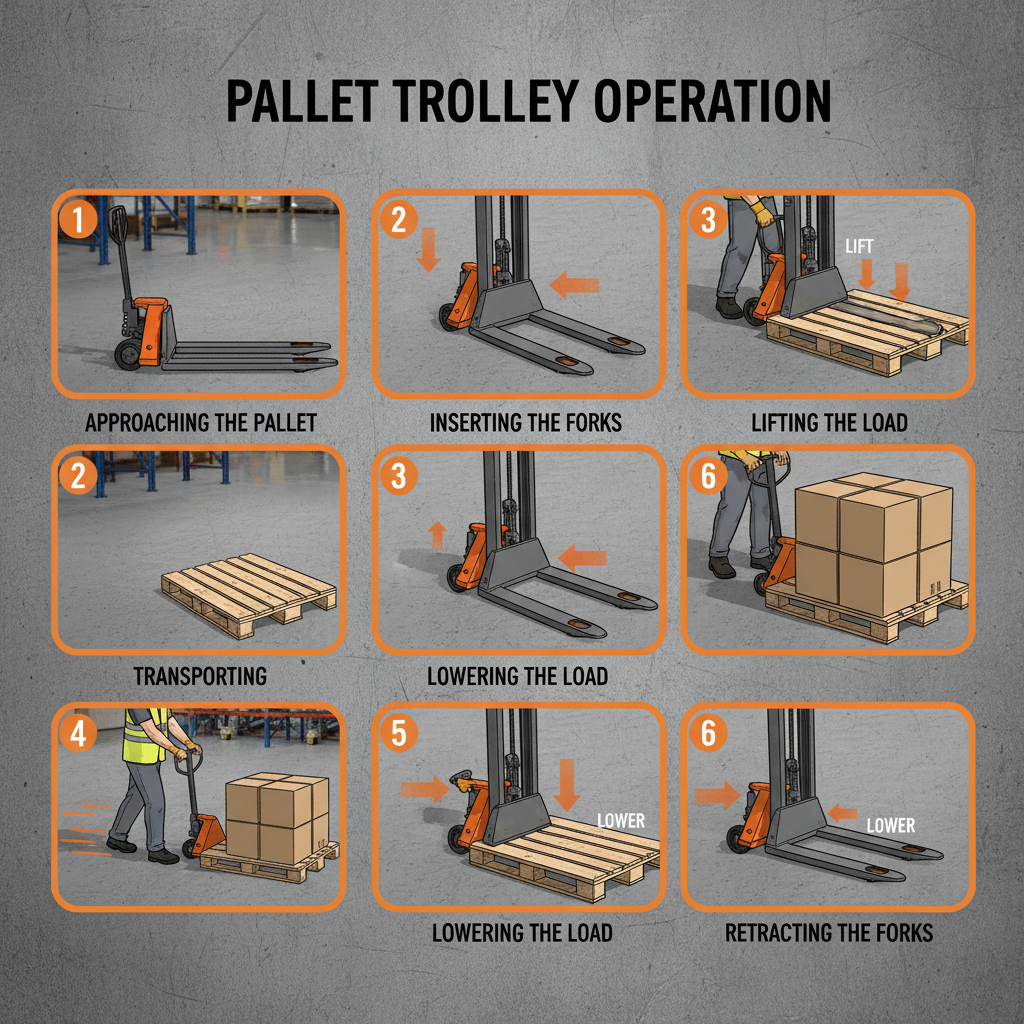
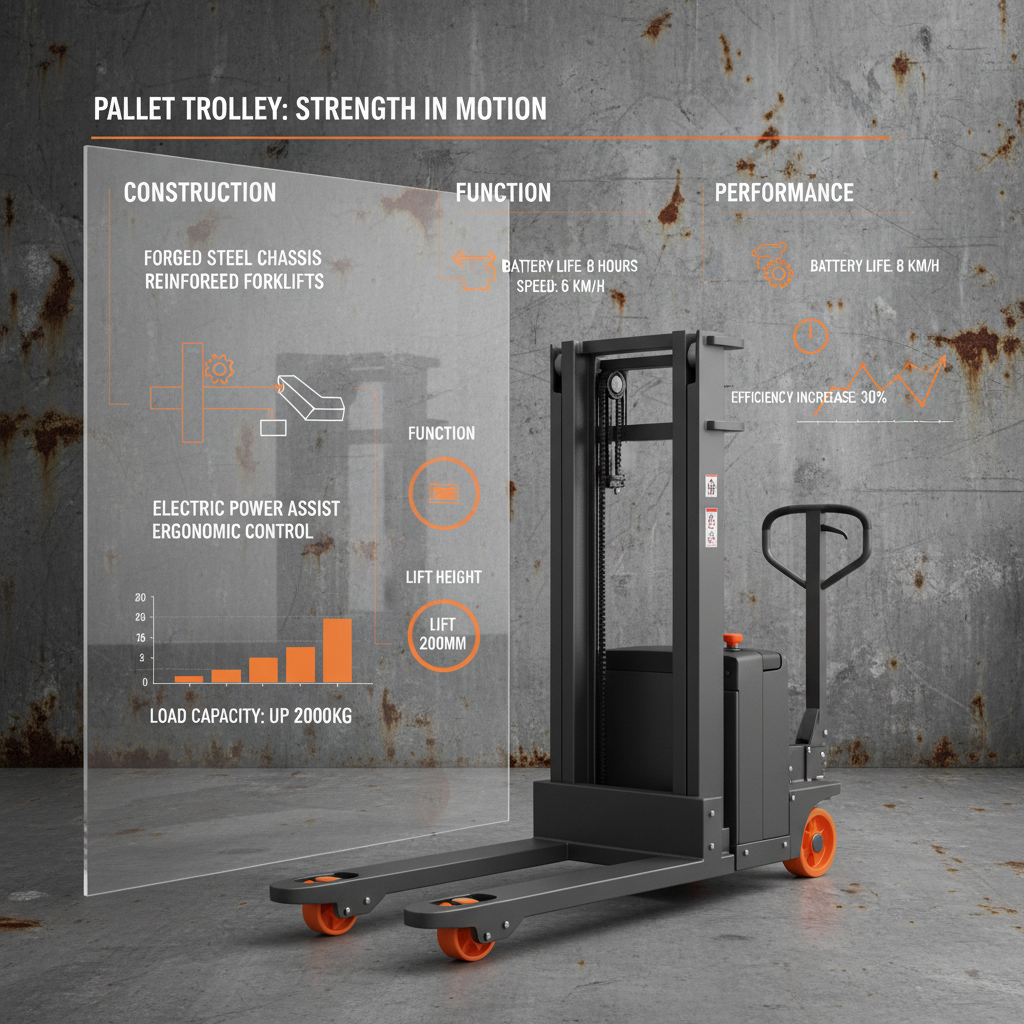
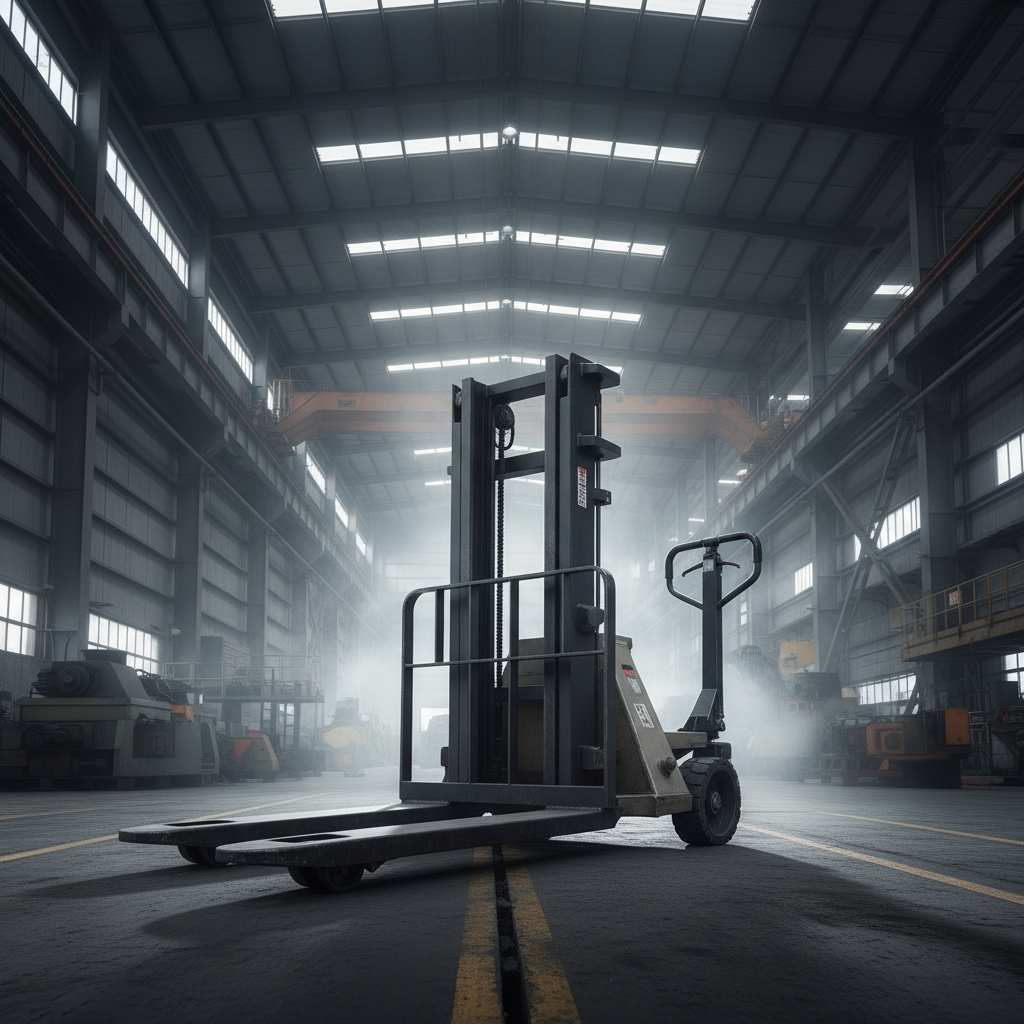
At its most basic, a pallet trolley is a wheeled platform designed to facilitate the movement of palletized goods. Its primary function is to reduce the physical strain on workers, eliminating the need for manual lifting and carrying. This translates to improved workplace safety and increased efficiency. The simple yet effective design allows for easy maneuverability in tight spaces, making it ideal for various environments.
The core functionality extends beyond mere transportation. Modern pallet trolleys are often designed with features such as ergonomic handles, durable construction materials, and smooth-rolling casters, enhancing usability and longevity. Furthermore, different types of pallet trolleys cater to specific needs, from standard models for general use to specialized versions for heavier loads or specific pallet sizes.
A standard pallet trolley typically has a load capacity ranging from 2,500 to 5,500 pounds (1,134 to 2,495 kilograms). However, this can vary depending on the model and manufacturer. Always check the manufacturer's specifications before use to ensure it can safely handle the intended weight. Selecting the right capacity is vital for safety and preventing damage to the equipment or the load.
Regular maintenance is key to prolonging the life of your pallet trolley. It’s recommended to inspect the forks, wheels, and hydraulic system monthly. Lubricate moving parts quarterly, and have a professional service the hydraulic system annually. Addressing minor issues promptly can prevent costly repairs down the line.
Always wear appropriate safety footwear and ensure the work area is clear of obstacles. Avoid exceeding the trolley's load capacity, and never lift or lower a load while the trolley is in motion. Be mindful of your surroundings and operate the trolley slowly and deliberately, especially in tight spaces. Regular operator training is also crucial.
While both move pallets, they differ significantly. A pallet trolley is manually operated and designed for short-distance, horizontal movement at ground level. A forklift lifts pallets to greater heights and can transport them over longer distances. Forklifts require trained operators and are subject to more stringent safety regulations.
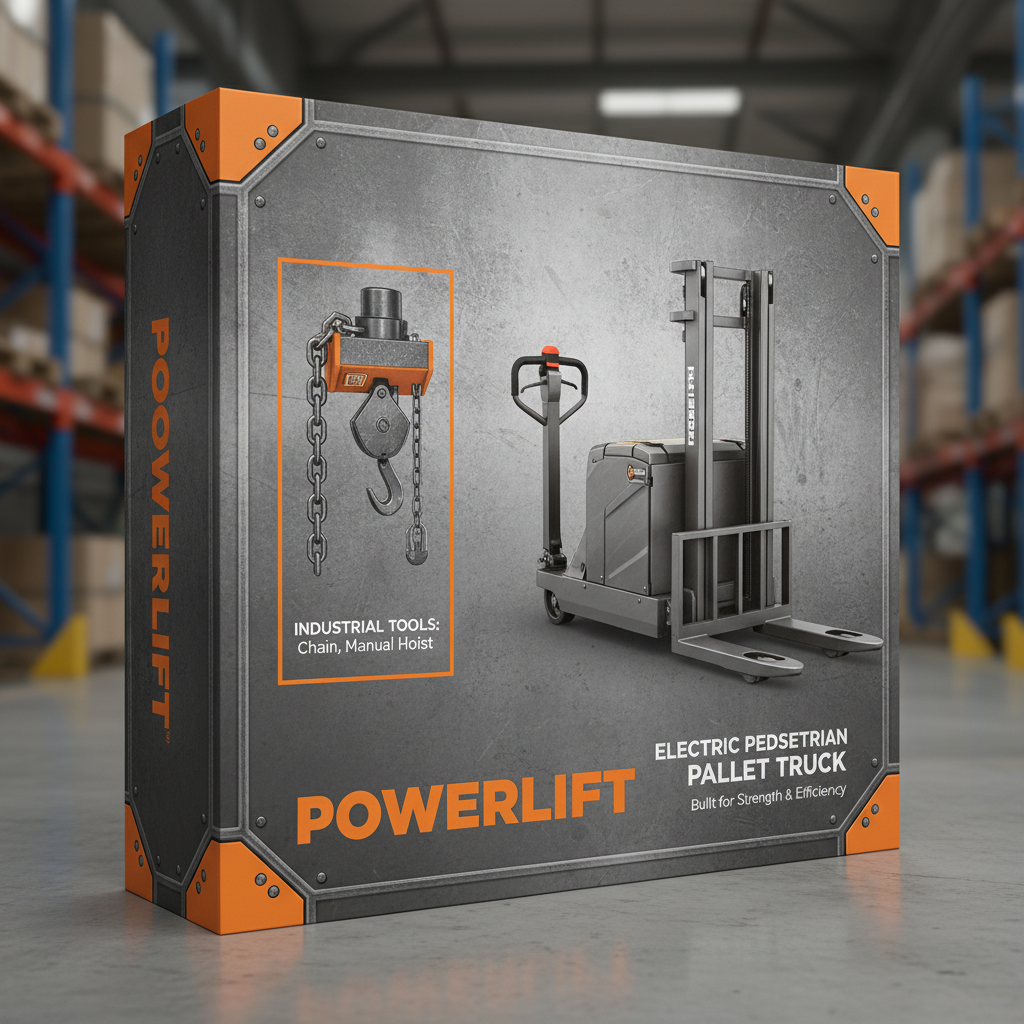
Electric pallet trolleys offer increased maneuverability, reduced operator effort, and zero emissions, making them ideal for indoor environments. They eliminate the need for manual pumping, allowing for faster and more efficient movement of pallets. However, they require regular charging and may have a higher initial cost.
Consider your typical pallet size, load weight, and operating environment. Determine if you need standard forks or special attachments. If you require frequent use, an electric model may be worthwhile. Assess your budget and consider long-term maintenance costs. Selecting a reputable manufacturer known for quality and durability is also crucial.
In conclusion, the pallet trolley remains an essential component of modern logistics and material handling. Its simplicity, reliability, and cost-effectiveness make it an indispensable tool for businesses across a wide range of industries. From streamlining warehouse operations to supporting humanitarian aid efforts, the pallet trolley's impact is far-reaching and often underestimated.
Looking ahead, continued innovation in materials, automation, and ergonomic design will further enhance the capabilities of the pallet trolley. Embracing these advancements will be crucial for organizations seeking to optimize their material handling processes, improve workplace safety, and achieve greater operational efficiency. Visit our website at www.qyjuli.com to explore our range of pallet trolleys and discover how we can help you meet your material handling needs.



 Afrikaans
 Albanian
 Amharic
 Arabic
 Armenian
 Azerbaijani
 Basque
 Belarusian
 Bengali
 Bosnian
 Bulgarian
 Catalan
 Cebuano
 China
China
 China (Taiwan)
 Corsican
 Croatian
 Czech
Czech
 Danish
 Dutch
Dutch
 Esperanto
 Estonian
 Finnish
 French
 Frisian
 Galician
 Georgian
 German
 Greek
Greek
 Gujarati
 Haitian Creole
 Hausa
Hausa
 Hawaiian
 Hebrew
 Hindi
Hindi
 Miao
Miao
 Hungarian
 Icelandic
 Igbo
Igbo
 Indonesian
 Irish
Irish
 Italian
 Japanese
 Javanese
 Kannada
 Kazakh
 Khmer
Khmer
 Rwandese
 Korean
 Kurdish
 Kyrgyz
 Lao
Lao
 Latin
Latin
 Latvian
 Lithuanian
 Luxembourgish
 Macedonian
 Malgashi
 Malay
Malay
 Malayalam
 Maltese
 Maori
Maori
 Marathi
 Mongolian
 Myanmar
 Nepali
 Norwegian
 Norwegian
 Occitan
 Pashto
 Persian
 Polish
 Portuguese
 Punjabi
 Romanian
 Russian
 Samoan
 Scottish Gaelic
 Serbian
 Sesotho
 Shona
Shona
 Sindhi
 Sinhala
 Slovak
 Slovenian
 Somali
 Spanish
 Sundanese
 Swahili
 Swedish
 Tagalog
 Tajik
Tajik
 Tamil
Tamil
 Tatar
Tatar
 Telugu
 Thai
Thai
 Turkish
 Turkmen
 Ukrainian
 Urdu
Urdu
 Uighur
 Uzbek
Uzbek
 Vietnamese
 Welsh
Welsh
 Bantu
Bantu
 Yiddish
 Yoruba
 Zulu
Zulu
 English