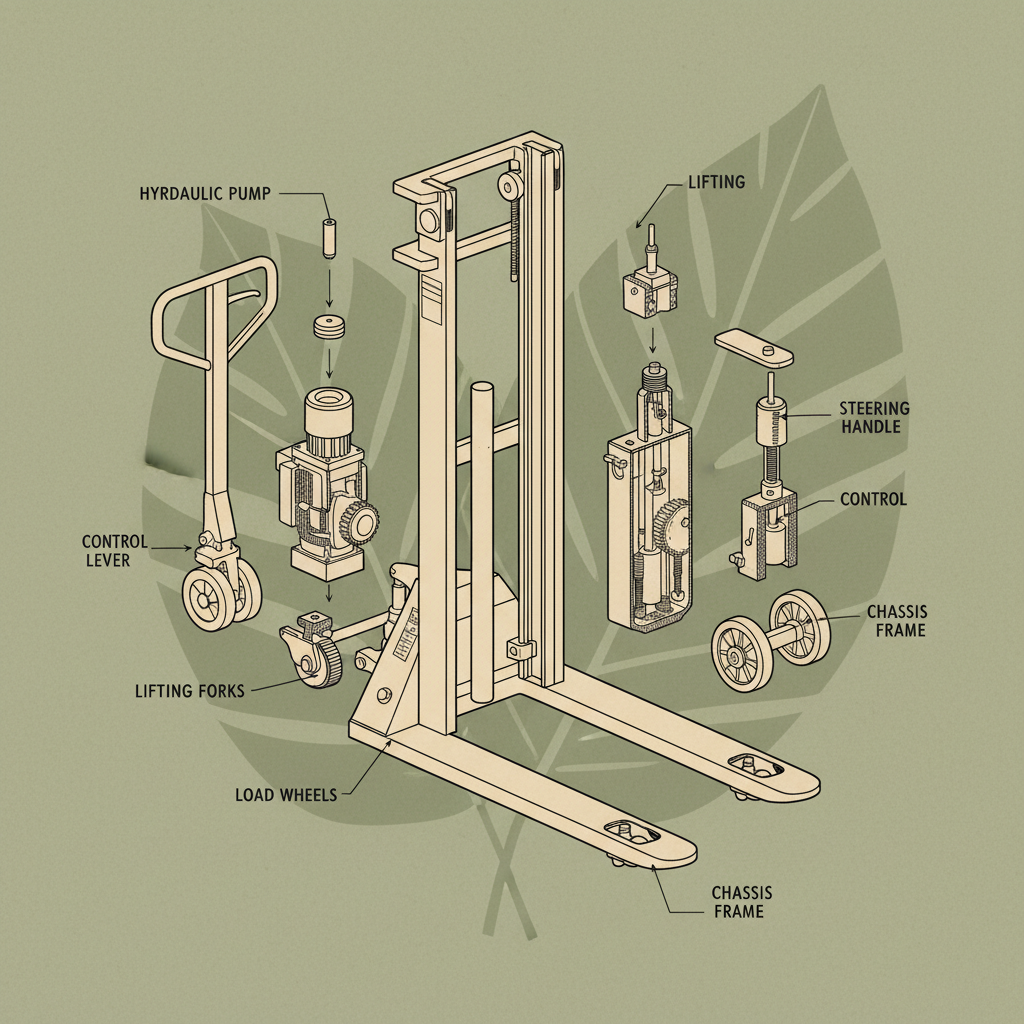


Look, I've been running around construction sites all year, you know? Dust, cement, the smell of welding… it’s a life. And lately, everyone’s talking about electric pallet trucks. Not just the fancy automated ones, but even the basic, ride-on models. To be honest, it’s a bit of a scramble to keep up. Seems like every manufacturer is trying to squeeze a battery into everything now.
Used to be, a pallet truck was a pallet truck. Steel, hydraulics, simple. Reliable. Now? It’s a whole electronics project masquerading as a material handling tool. Have you noticed how many different charging standards there are? It’s a nightmare for site managers.
And the weight… that’s another thing. All these batteries add weight, and that impacts maneuverability. You want a nimble truck, not something that feels like you're trying to steer a battleship in a warehouse aisle.
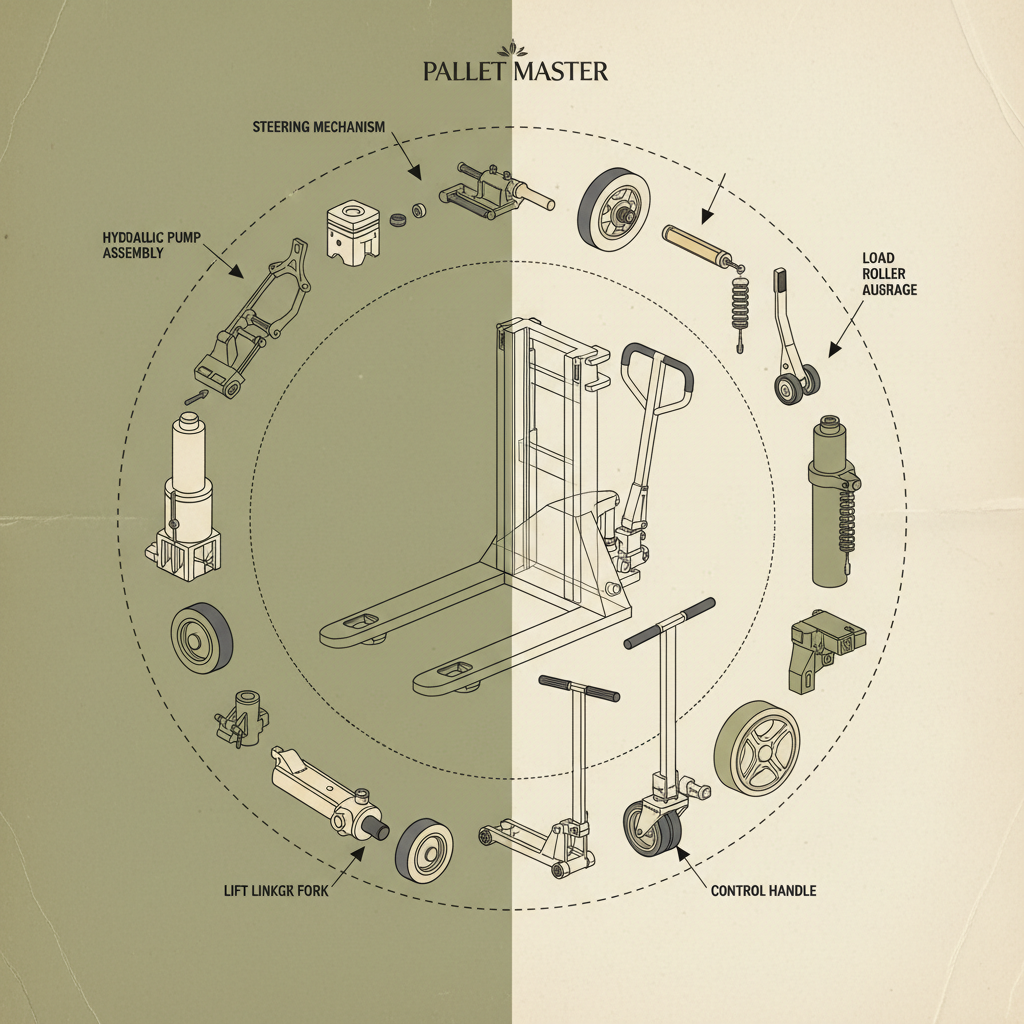
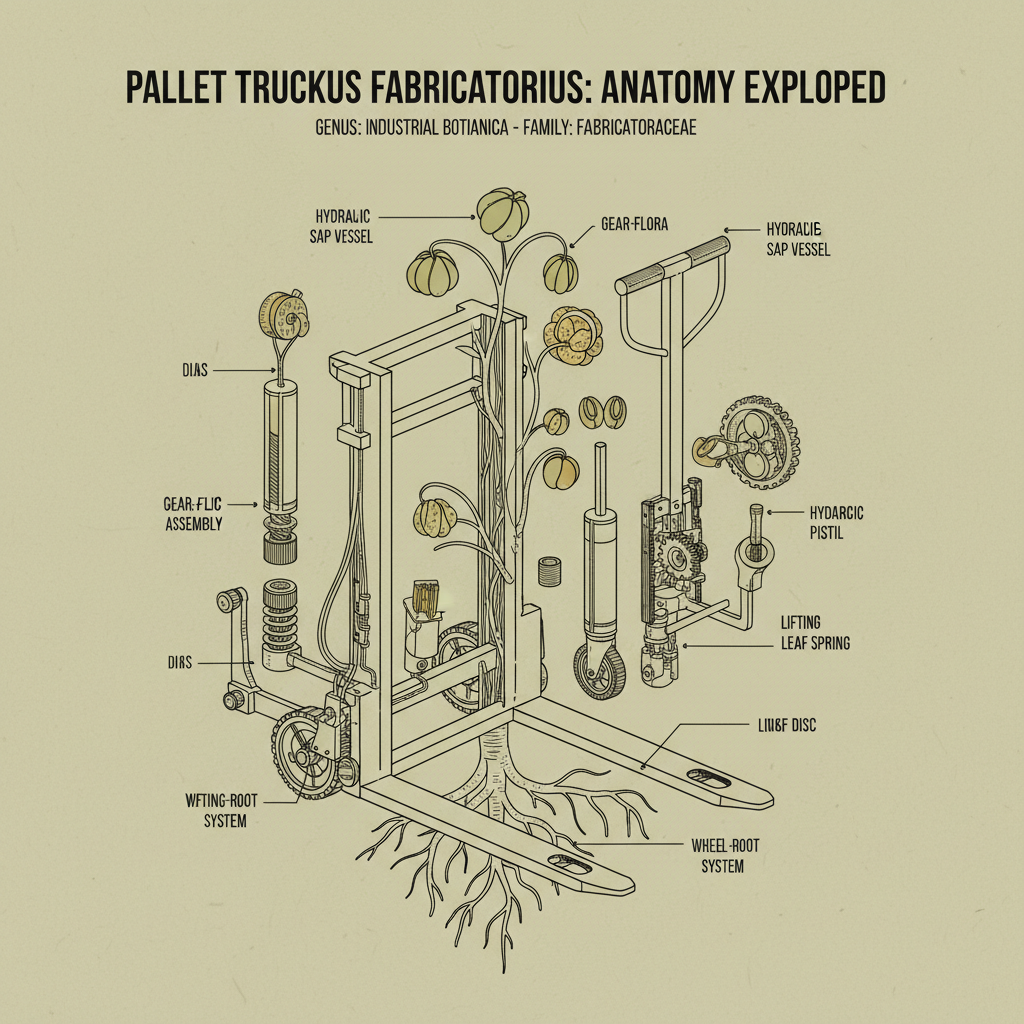
You’ve got your big players – the German engineering types, the Italian manufacturers known for their styling, and then the Chinese companies who… well, they’re flooding the market with everything. Honestly, the quality varies wildly. It's getting harder to tell a good truck from a piece of junk just by looking at the spec sheet. A lot of these pallet truck manufacturers are focusing on lithium-ion batteries, which is good, but the battery management systems? That’s where things get dicey.
I saw one battery pack at a factory last time – smelled like burning plastic after just a few cycles. Not a good sign. It’s also about the service network. What good is a fancy electric truck if you can’t get it fixed when the controller goes kaput?
The biggest difference is effort. Manual trucks require physical pushing and pulling, leading to operator fatigue over long distances. Electric trucks do the work for you, reducing strain and increasing productivity. While electric trucks have a higher upfront cost and require charging, the long-term benefits of reduced labor costs and improved efficiency often outweigh the initial investment. It really depends on the scale of your operations.
Battery life varies significantly depending on the model, battery capacity, load weight, and usage patterns. Generally, you can expect anywhere from 4 to 8 hours of continuous use on a single charge. Some newer models with larger batteries can even achieve up to 10 hours. It’s also worth noting that frequent stop-and-go operation drains the battery faster than consistent travel.
Essential safety features include a clearly visible emergency stop button, a horn, and a sturdy construction. For electric trucks, look for features like speed limiting and automatic braking. Consider trucks with padded steering handles and non-slip footplates to improve operator comfort and control. Regular maintenance and operator training are also crucial for ensuring safe operation.
While some pallet trucks can be used outdoors, it’s not generally recommended for prolonged periods. Outdoor conditions – rain, dust, uneven surfaces – can significantly shorten the lifespan of the truck. If you need a truck for outdoor use, look for models specifically designed for rough terrain, with sealed components and durable tires. You’ll also want to consider the charging requirements for electric trucks in an outdoor environment.
Regular maintenance is key to keeping your pallet truck running smoothly. For manual trucks, this includes lubricating moving parts, inspecting the hydraulic system for leaks, and checking the forks for damage. Electric trucks require additional maintenance, such as battery checks and controller inspections. I always recommend a preventative maintenance schedule to catch problems before they become major issues.
Lead times for customized pallet trucks vary greatly depending on the complexity of the customization and the manufacturer’s production schedule. Simple customizations, like different fork lengths, might take a few weeks. More complex modifications, such as adding a weighing scale or specialized attachments, can take several months. It’s always best to get a quote and a firm delivery date from the manufacturer before placing your order.
Ultimately, whether you're dealing with basic manual trucks or the latest electric models, the core purpose remains the same: moving pallets efficiently and safely. There’s a lot of hype around new technologies, and a lot of manufacturers chasing the latest trends, but at the end of the day, the reliability and durability of a pallet truck are paramount. It’s about keeping things moving, minimizing downtime, and keeping your operators safe.
And here’s the thing: whether this thing works or not, the worker will know the moment he tightens the screw. Don’t overthink it. Focus on quality, choose a reputable manufacturer, and make sure the truck is fit for purpose. And for more information on finding the right pallet truck for your needs, visit our website: www.qyjuli.com.



 Afrikaans
 Albanian
 Amharic
 Arabic
 Armenian
 Azerbaijani
 Basque
 Belarusian
 Bengali
 Bosnian
 Bulgarian
 Catalan
 Cebuano
 China
China
 China (Taiwan)
 Corsican
 Croatian
 Czech
Czech
 Danish
 Dutch
Dutch
 Esperanto
 Estonian
 Finnish
 French
 Frisian
 Galician
 Georgian
 German
 Greek
Greek
 Gujarati
 Haitian Creole
 Hausa
Hausa
 Hawaiian
 Hebrew
 Hindi
Hindi
 Miao
Miao
 Hungarian
 Icelandic
 Igbo
Igbo
 Indonesian
 Irish
Irish
 Italian
 Japanese
 Javanese
 Kannada
 Kazakh
 Khmer
Khmer
 Rwandese
 Korean
 Kurdish
 Kyrgyz
 Lao
Lao
 Latin
Latin
 Latvian
 Lithuanian
 Luxembourgish
 Macedonian
 Malgashi
 Malay
Malay
 Malayalam
 Maltese
 Maori
Maori
 Marathi
 Mongolian
 Myanmar
 Nepali
 Norwegian
 Norwegian
 Occitan
 Pashto
 Persian
 Polish
 Portuguese
 Punjabi
 Romanian
 Russian
 Samoan
 Scottish Gaelic
 Serbian
 Sesotho
 Shona
Shona
 Sindhi
 Sinhala
 Slovak
 Slovenian
 Somali
 Spanish
 Sundanese
 Swahili
 Swedish
 Tagalog
 Tajik
Tajik
 Tamil
Tamil
 Tatar
Tatar
 Telugu
 Thai
Thai
 Turkish
 Turkmen
 Ukrainian
 Urdu
Urdu
 Uighur
 Uzbek
Uzbek
 Vietnamese
 Welsh
Welsh
 Bantu
Bantu
 Yiddish
 Yoruba
 Zulu
Zulu
 English