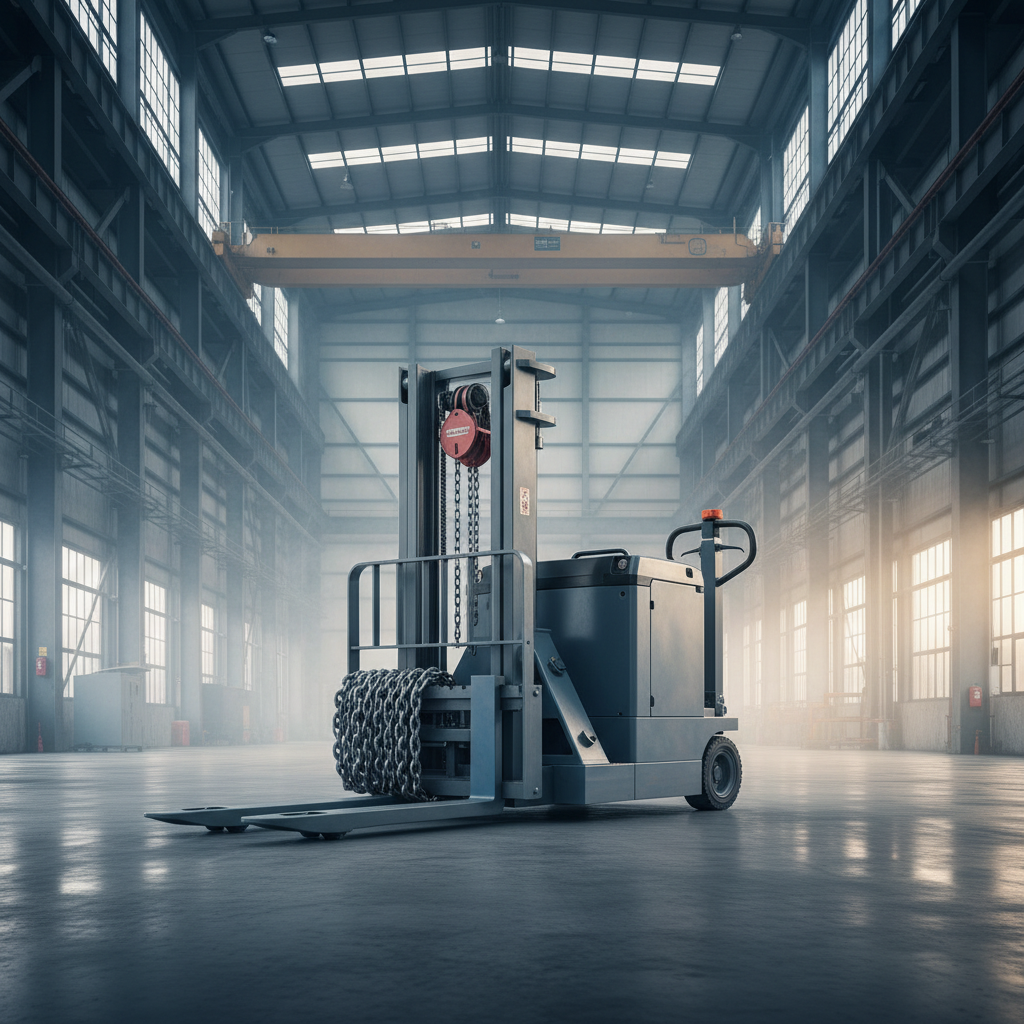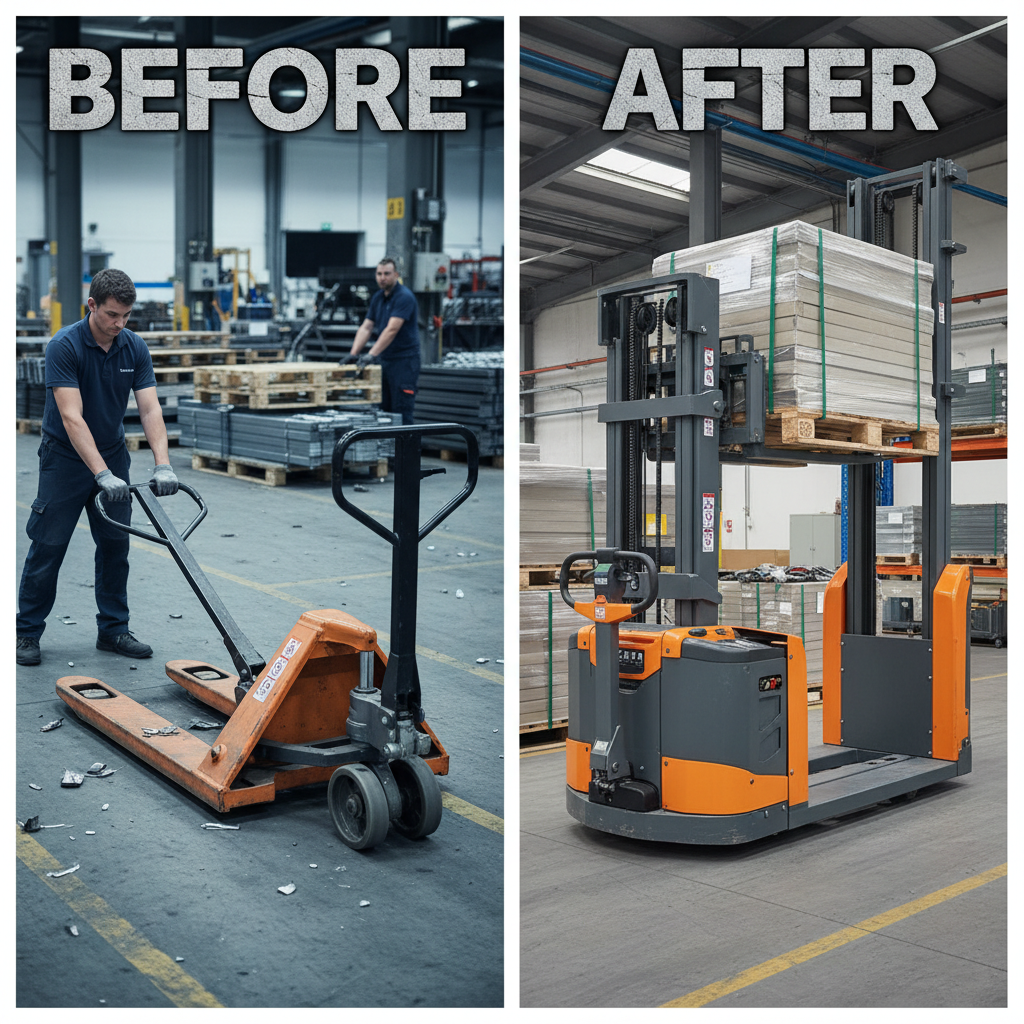


The realm of material handling is constantly evolving, and within it, the low profile pallet truck stands as a crucial component for efficient logistics and supply chain management. These trucks, designed with a lowered height, address specific challenges in industries requiring access to spaces with limited overhead clearance. Understanding their function, benefits, and applications is paramount for businesses aiming to optimize operational efficiency and minimize risks in warehousing, distribution, and manufacturing.
Globally, the demand for efficient material handling solutions is soaring, driven by the expansion of e-commerce, increased urbanization, and the growth of manufacturing sectors in emerging economies. According to the World Bank, global trade volumes continue to rise, placing greater emphasis on streamlined logistics. The low profile pallet truck directly addresses this need by enabling seamless movement of goods in environments where standard pallet trucks cannot operate effectively, reducing bottlenecks and improving overall productivity.
The adoption of these specialized trucks isn’t simply about convenience; it’s about safety and cost-effectiveness. By reducing the need for manual lifting and maneuvering in restricted spaces, low profile pallet trucks minimize workplace injuries and improve employee well-being. The initial investment is quickly offset by enhanced efficiency and a reduction in operational risks.
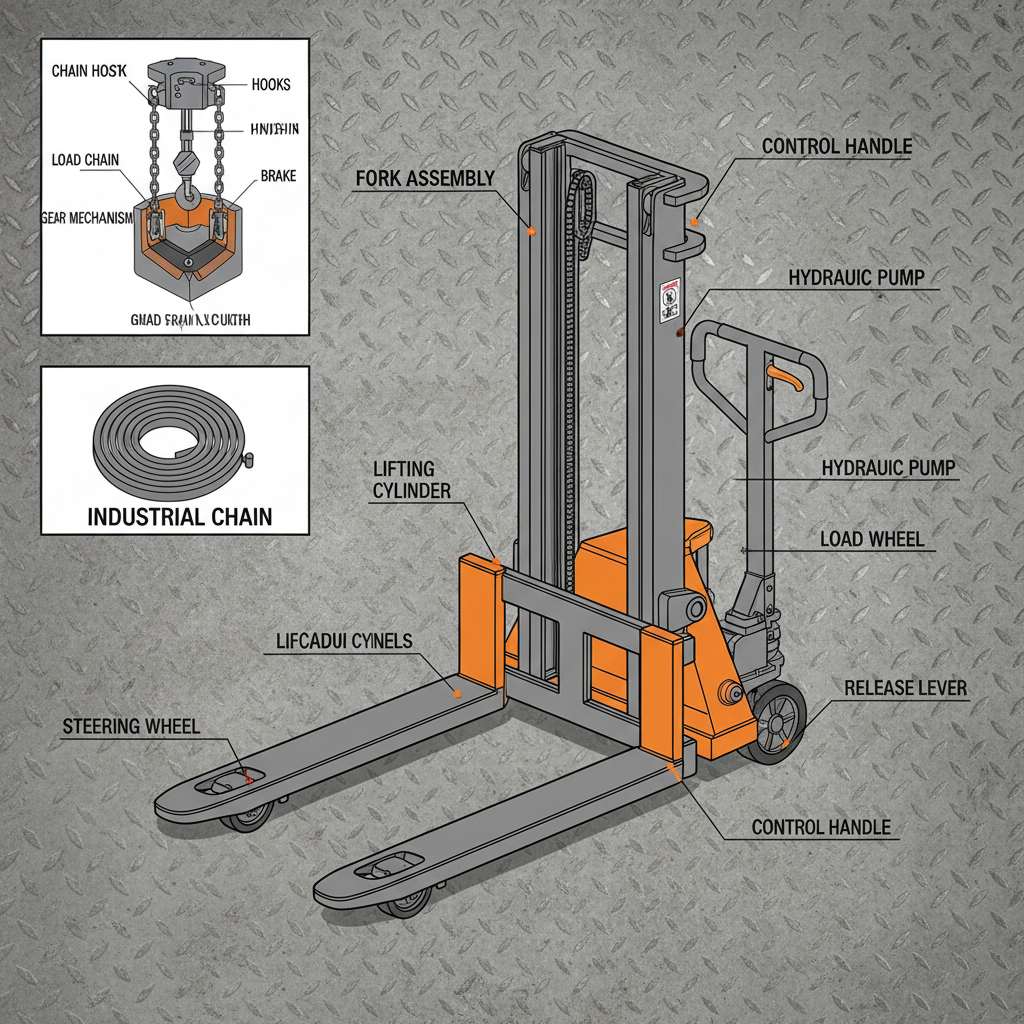
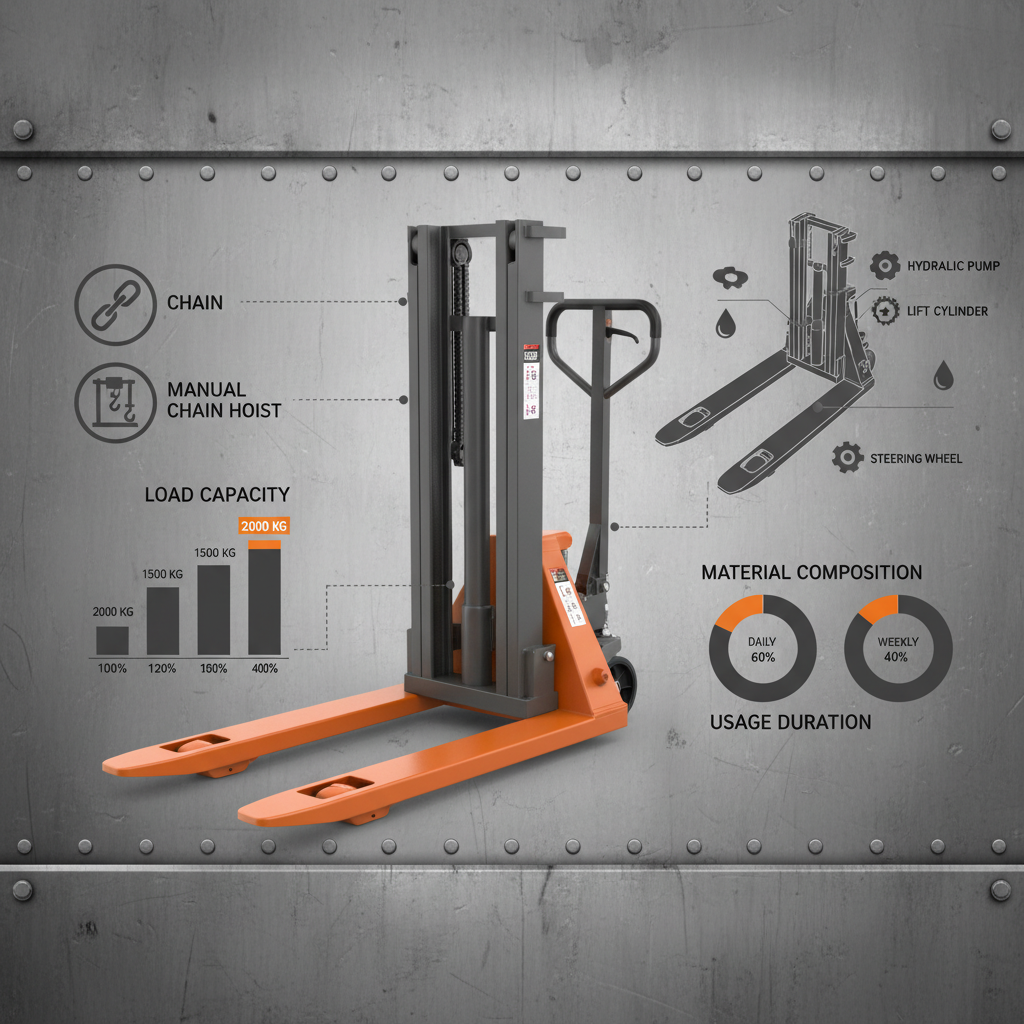
A low profile pallet truck is a type of pallet jack specifically designed with a reduced lifting height. Unlike standard pallet trucks, which typically have a minimum lifting height of around 3-5 inches, low profile models can operate with clearances as low as 2-3 inches. This makes them indispensable in situations where access is restricted by low shelving, platforms, or other obstructions.
The modern industrial landscape relies heavily on efficient material handling. From warehouses and distribution centers to manufacturing plants and retail environments, the ability to move pallets quickly and safely is paramount. The low profile pallet truck plays a vital role in addressing specific logistical challenges, ensuring smoother operations and reducing potential downtime.
A typical low profile pallet truck boasts a minimum lifting height of approximately 2 to 3 inches. This is significantly lower than standard pallet trucks, which generally begin lifting at around 3 to 5 inches. This reduced height is the defining characteristic, allowing operation in spaces with restricted overhead clearance. It’s important to check specific model specifications as lifting heights can vary slightly.
While some low profile pallet trucks are designed for indoor use only, many models are suitable for limited outdoor applications on smooth, dry surfaces. However, prolonged exposure to harsh weather conditions like rain, snow, or extreme temperatures can damage the hydraulic system and other components. Models specifically designed for outdoor use often feature weather-resistant coatings and sealed components for added protection.
The appropriate weight capacity depends on the typical pallet loads you will be handling. Low profile pallet trucks generally range from 2,200 to 5,500 pounds. It’s crucial to choose a model with a capacity that exceeds the weight of your heaviest load by at least 20% to ensure safe and efficient operation. Overloading a pallet truck can lead to damage and potential injury.
Regular maintenance is vital for prolonging the lifespan of a low profile pallet truck. Recommended maintenance includes periodic inspection of the hydraulic system, lubrication of moving parts, and checking tire pressure. Frequency depends on usage, but a thorough inspection every 6-12 months is advisable. Addressing minor issues promptly can prevent costly repairs down the line.
Yes, electric low profile pallet trucks are readily available. They offer several benefits over manual models, including reduced operator fatigue, quieter operation, and improved environmental sustainability. Electric trucks are particularly well-suited for extended use and larger facilities where noise reduction is a priority. They often include features like variable speed control and regenerative braking.
With proper maintenance and moderate usage, a high-quality low profile pallet truck can last for 5 to 10 years or even longer. Factors influencing lifespan include the quality of construction, the frequency of use, and the operating environment. Regular inspections, timely repairs, and adherence to manufacturer recommendations are key to maximizing its service life.
In conclusion, the low profile pallet truck is a vital piece of equipment for businesses operating in environments with limited overhead clearance. Its unique design, combined with its durability and efficiency, offers a significant advantage in terms of safety, productivity, and cost-effectiveness. Understanding the core components, applications, and future trends associated with these trucks is paramount for optimizing material handling operations.
Looking ahead, continued innovation in materials science, automation, and connectivity will further enhance the capabilities of low profile pallet trucks. Investing in the right model, coupled with a proactive maintenance program, will deliver long-term value and contribute to a more efficient and sustainable supply chain. For a comprehensive selection of low profile pallet trucks and expert advice, visit our website: www.qyjuli.com



 Afrikaans
 Albanian
 Amharic
 Arabic
 Armenian
 Azerbaijani
 Basque
 Belarusian
 Bengali
 Bosnian
 Bulgarian
 Catalan
 Cebuano
 China
China
 China (Taiwan)
 Corsican
 Croatian
 Czech
Czech
 Danish
 Dutch
Dutch
 Esperanto
 Estonian
 Finnish
 French
 Frisian
 Galician
 Georgian
 German
 Greek
Greek
 Gujarati
 Haitian Creole
 Hausa
Hausa
 Hawaiian
 Hebrew
 Hindi
Hindi
 Miao
Miao
 Hungarian
 Icelandic
 Igbo
Igbo
 Indonesian
 Irish
Irish
 Italian
 Japanese
 Javanese
 Kannada
 Kazakh
 Khmer
Khmer
 Rwandese
 Korean
 Kurdish
 Kyrgyz
 Lao
Lao
 Latin
Latin
 Latvian
 Lithuanian
 Luxembourgish
 Macedonian
 Malgashi
 Malay
Malay
 Malayalam
 Maltese
 Maori
Maori
 Marathi
 Mongolian
 Myanmar
 Nepali
 Norwegian
 Norwegian
 Occitan
 Pashto
 Persian
 Polish
 Portuguese
 Punjabi
 Romanian
 Russian
 Samoan
 Scottish Gaelic
 Serbian
 Sesotho
 Shona
Shona
 Sindhi
 Sinhala
 Slovak
 Slovenian
 Somali
 Spanish
 Sundanese
 Swahili
 Swedish
 Tagalog
 Tajik
Tajik
 Tamil
Tamil
 Tatar
Tatar
 Telugu
 Thai
Thai
 Turkish
 Turkmen
 Ukrainian
 Urdu
Urdu
 Uighur
 Uzbek
Uzbek
 Vietnamese
 Welsh
Welsh
 Bantu
Bantu
 Yiddish
 Yoruba
 Zulu
Zulu
 English