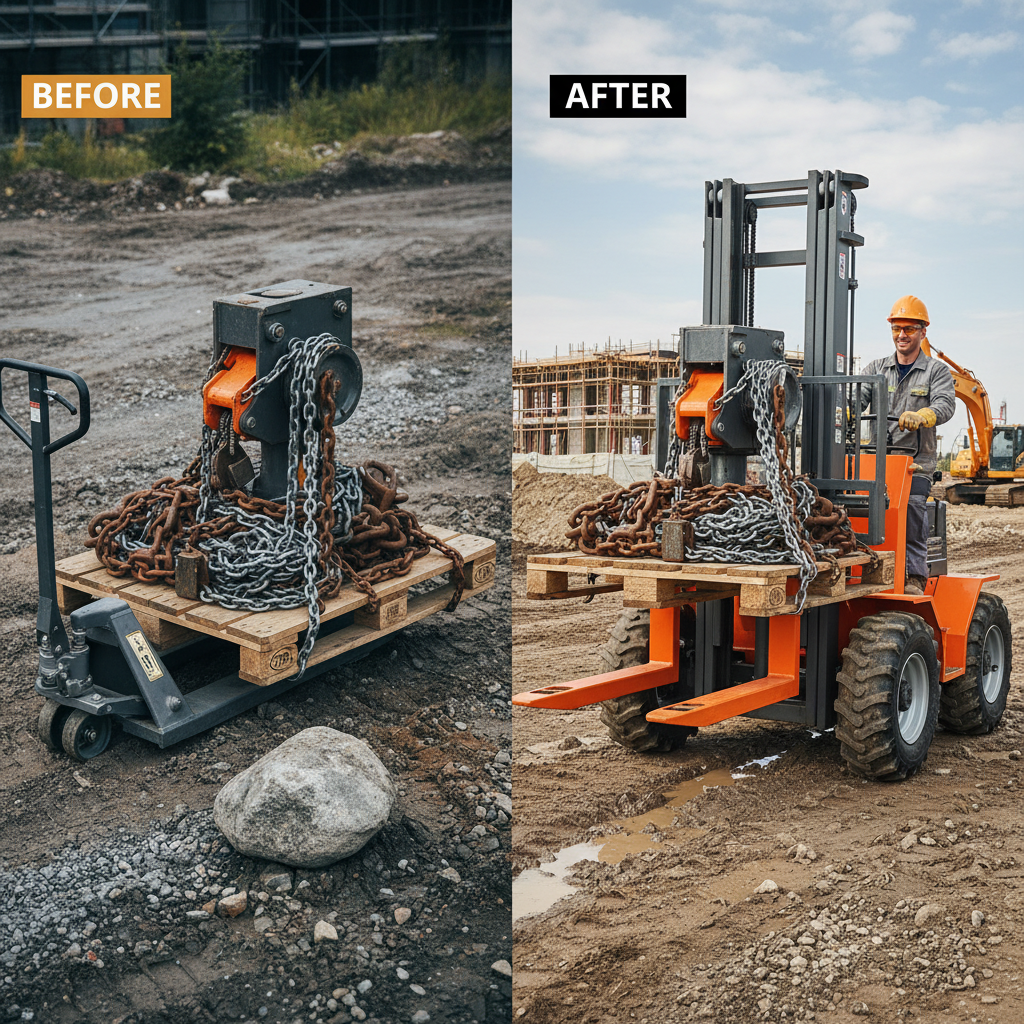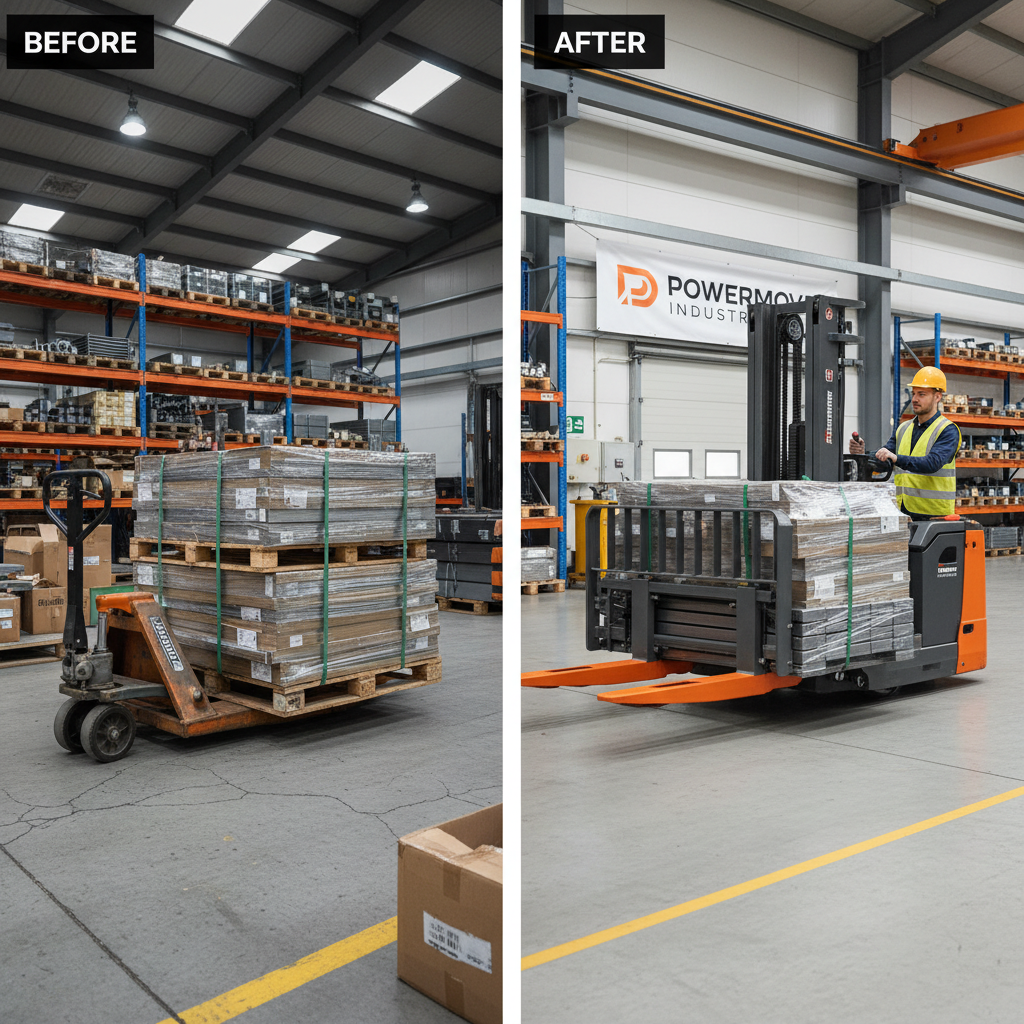


Look, I’ve spent twenty years walking construction sites, breathing dust, and frankly, wrestling with logistics. And one thing’s crystal clear: getting materials where they need to be, when they need to be, is half the battle. That's where understanding a reliable total source pallet truck solution becomes absolutely critical. It's not just about moving pallets; it’s about keeping projects on schedule and budgets intact. We're talking about minimizing downtime, reducing labor costs, and ultimately, delivering a quality job.
For too long, folks have treated material handling as an afterthought. They’ll skimp on equipment, hoping to save a few bucks upfront. But trust me, those savings evaporate quickly when you’re dealing with delays, damaged goods, and overworked crews. A solid total source pallet truck isn’t a cost, it’s an investment—one that pays dividends in efficiency and safety across the entire operation.
We see projects stalled every week because of material bottlenecks. Whether it’s a remote site with limited access or a congested urban job site, having the right equipment to move things efficiently is the difference between success and a costly headache. The core of a good operation isn’t fancy software or cutting-edge designs; it's a dependable system for getting the raw materials in place, and that starts with reliable equipment like a total source pallet truck.
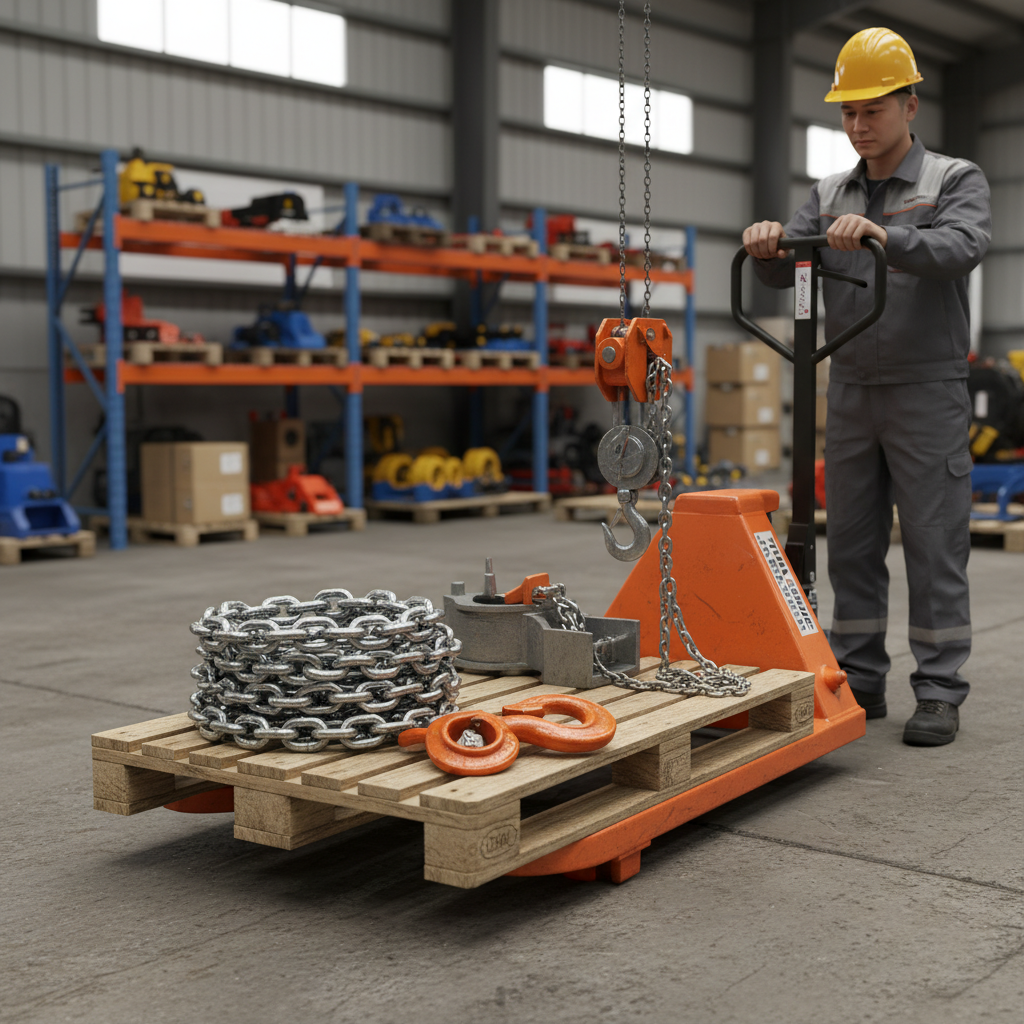
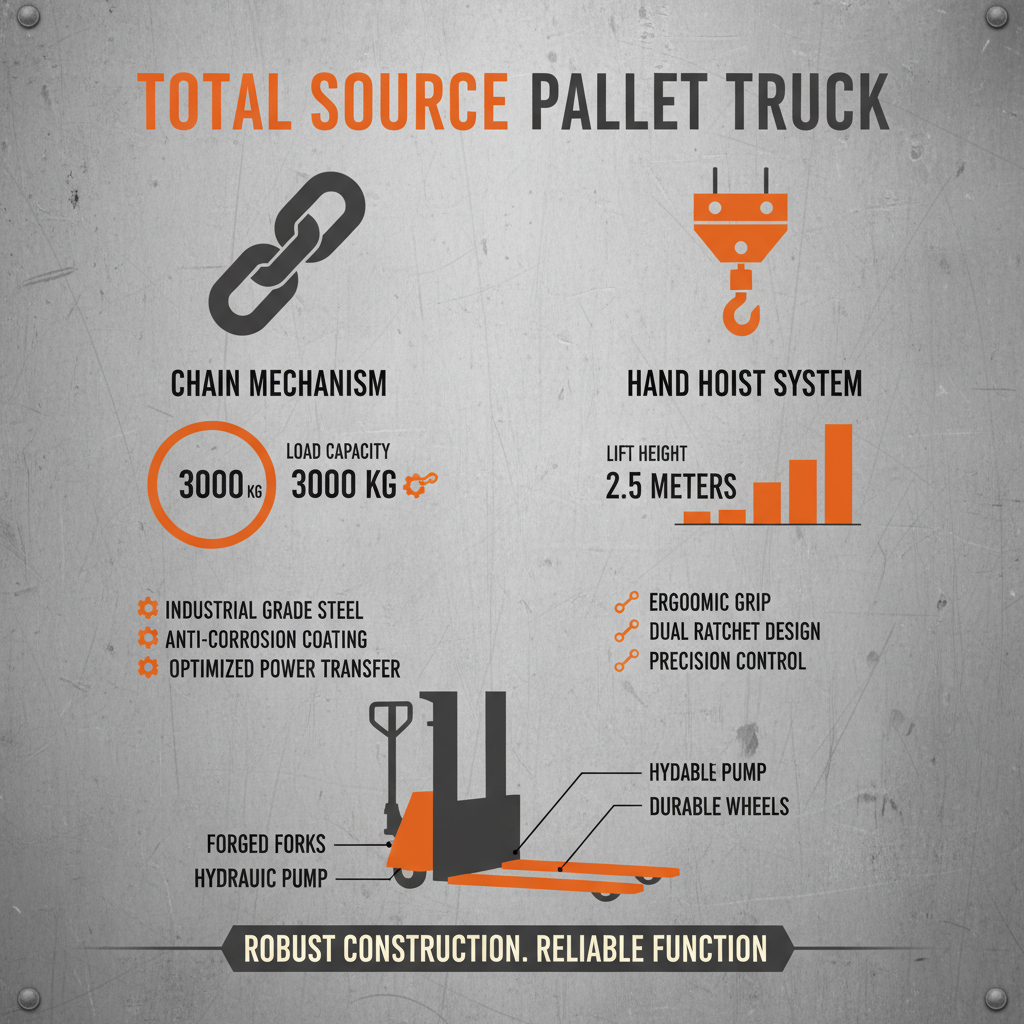
Let me tell you, seeing the global supply chain grind to a halt these past few years really drove home just how vital a solid total source pallet truck system is. We're talking about a network that touches everything – from raw materials sourced halfway around the world to the finished products on store shelves. The UN estimates that global trade volume exceeds $28 trillion annually, and a significant portion of that relies on efficient palletized shipping.
The biggest problem I see is that too many companies are still relying on fragmented systems. They're patching together solutions, using outdated equipment, and generally treating material handling as a secondary concern. This leads to delays, increased costs, and ultimately, a less competitive position in the market. A truly integrated total source pallet truck solution is about streamlining the entire process, from the factory floor to the final destination.
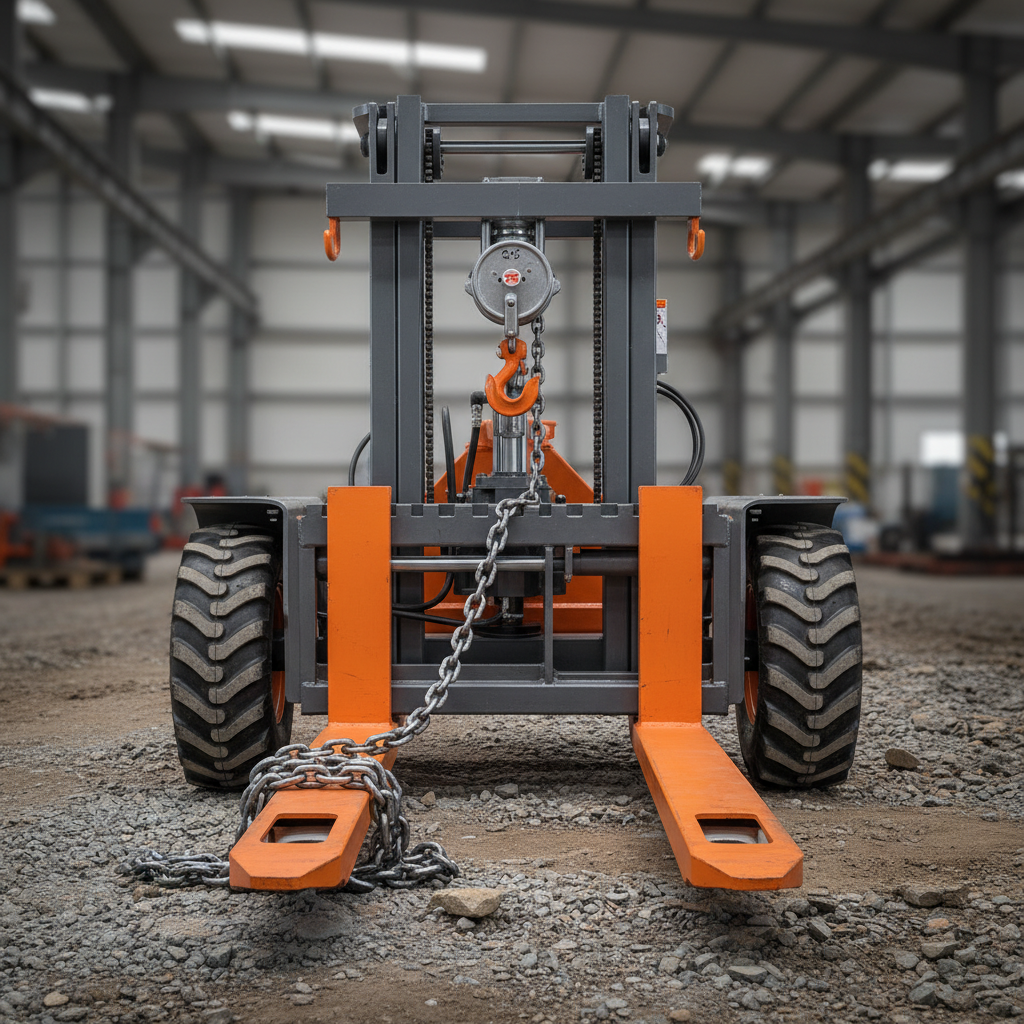
A well-maintained, high-quality total source pallet truck, using durable materials and components, should last anywhere from 5 to 10 years, depending on the intensity of use and the environment it operates in. Regular inspections and preventative maintenance are key to extending its lifespan. We always recommend a proactive maintenance schedule to catch potential issues before they become major problems.
Determining the right size and capacity requires a careful assessment of your load weights, pallet dimensions, and operating environment. You'll need to consider the maximum load weight you'll be handling, the available aisle widths, and any height restrictions. Underestimating capacity can lead to breakdowns, while oversizing can reduce maneuverability. We offer consultations to help you accurately assess your requirements.
Safety should be your top priority. Essential features include a load backrest extension, operator presence system (OPS), speed limit control, and durable forks. Look for models that meet or exceed relevant safety standards, such as ANSI/ITSDF B56.1. Regular operator training is also crucial to ensure safe operation.
Regular maintenance is essential for reliable operation. Common requirements include inspecting and lubricating moving parts, checking tire pressure, inspecting the forks for wear and tear, and maintaining the battery or fuel system. Keeping a maintenance log and following the manufacturer's recommendations will help prevent costly repairs.
Yes, both electric and gas-powered options are available. Electric trucks are quieter, produce zero emissions, and are ideal for indoor use. However, they require regular battery charging. Gas-powered trucks offer greater runtime and refueling is quick, but they produce emissions and can be noisy. The best choice depends on your specific application and operating environment.
The cost comparison depends on your volume and specific needs. Outsourcing can be cost-effective for low volumes, but as your volume increases, the cost of outsourcing can quickly exceed the cost of owning and operating your own total source pallet truck. Consider factors like control, flexibility, and long-term cost savings when making your decision.
In the end, a well-thought-out total source pallet truck solution isn’t just about moving boxes from point A to point B. It’s about streamlining your entire operation, reducing costs, improving safety, and building a more resilient and efficient supply chain. It’s a foundational element of any successful logistics strategy.
Don't treat it as an afterthought. Invest in quality equipment, prioritize training, and embrace new technologies. By doing so, you'll not only solve today's challenges but also position yourself for success in the ever-evolving world of logistics. For a comprehensive assessment of your needs and to explore our range of total source pallet truck solutions, visit our website today: www.qyjuli.com



 Afrikaans
 Albanian
 Amharic
 Arabic
 Armenian
 Azerbaijani
 Basque
 Belarusian
 Bengali
 Bosnian
 Bulgarian
 Catalan
 Cebuano
 China
China
 China (Taiwan)
 Corsican
 Croatian
 Czech
Czech
 Danish
 Dutch
Dutch
 Esperanto
 Estonian
 Finnish
 French
 Frisian
 Galician
 Georgian
 German
 Greek
Greek
 Gujarati
 Haitian Creole
 Hausa
Hausa
 Hawaiian
 Hebrew
 Hindi
Hindi
 Miao
Miao
 Hungarian
 Icelandic
 Igbo
Igbo
 Indonesian
 Irish
Irish
 Italian
 Japanese
 Javanese
 Kannada
 Kazakh
 Khmer
Khmer
 Rwandese
 Korean
 Kurdish
 Kyrgyz
 Lao
Lao
 Latin
Latin
 Latvian
 Lithuanian
 Luxembourgish
 Macedonian
 Malgashi
 Malay
Malay
 Malayalam
 Maltese
 Maori
Maori
 Marathi
 Mongolian
 Myanmar
 Nepali
 Norwegian
 Norwegian
 Occitan
 Pashto
 Persian
 Polish
 Portuguese
 Punjabi
 Romanian
 Russian
 Samoan
 Scottish Gaelic
 Serbian
 Sesotho
 Shona
Shona
 Sindhi
 Sinhala
 Slovak
 Slovenian
 Somali
 Spanish
 Sundanese
 Swahili
 Swedish
 Tagalog
 Tajik
Tajik
 Tamil
Tamil
 Tatar
Tatar
 Telugu
 Thai
Thai
 Turkish
 Turkmen
 Ukrainian
 Urdu
Urdu
 Uighur
 Uzbek
Uzbek
 Vietnamese
 Welsh
Welsh
 Bantu
Bantu
 Yiddish
 Yoruba
 Zulu
Zulu
 English