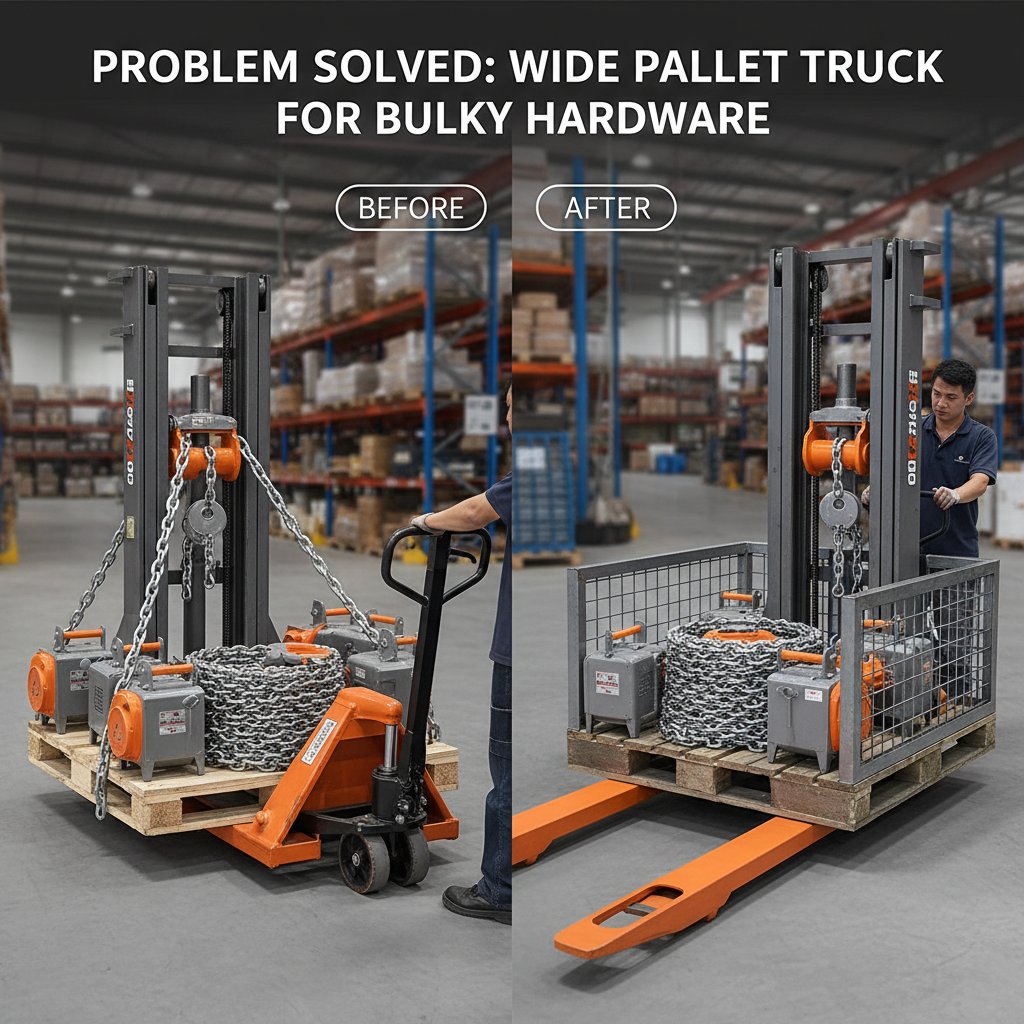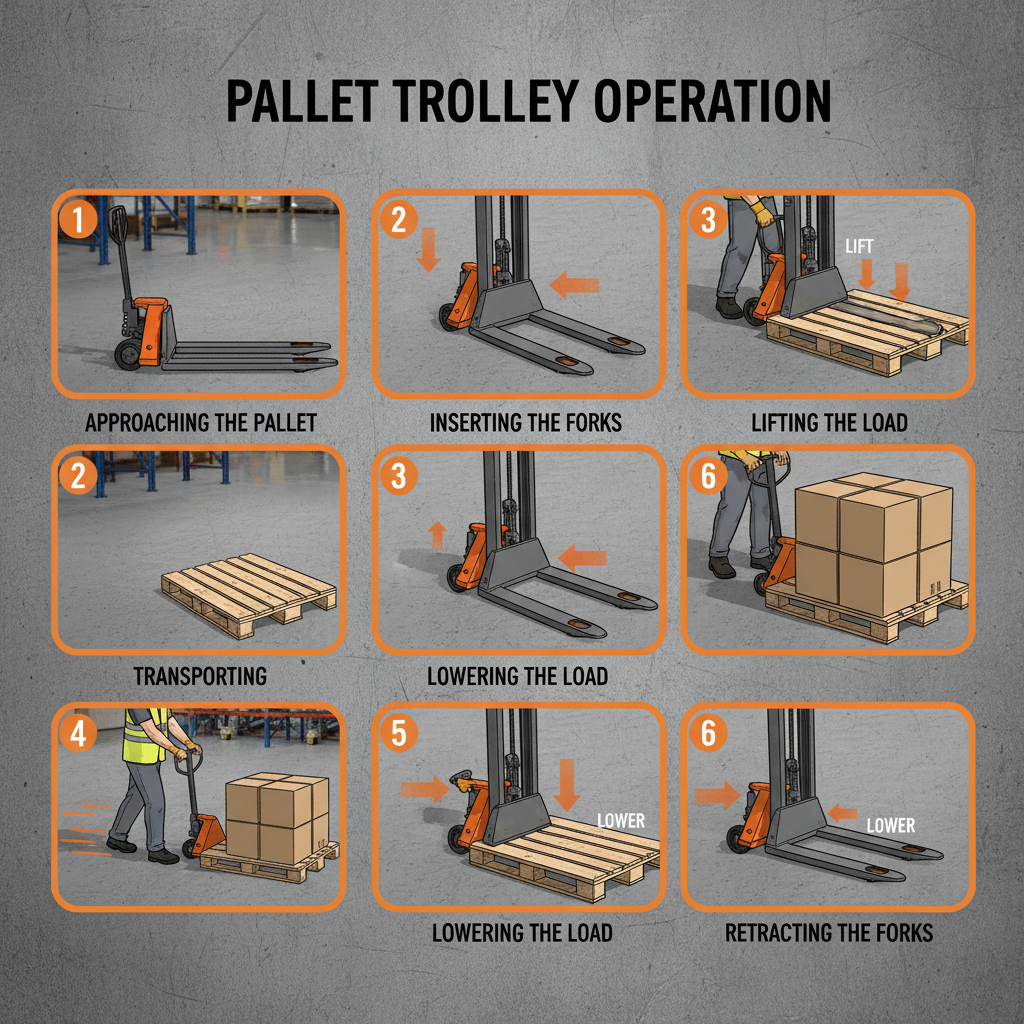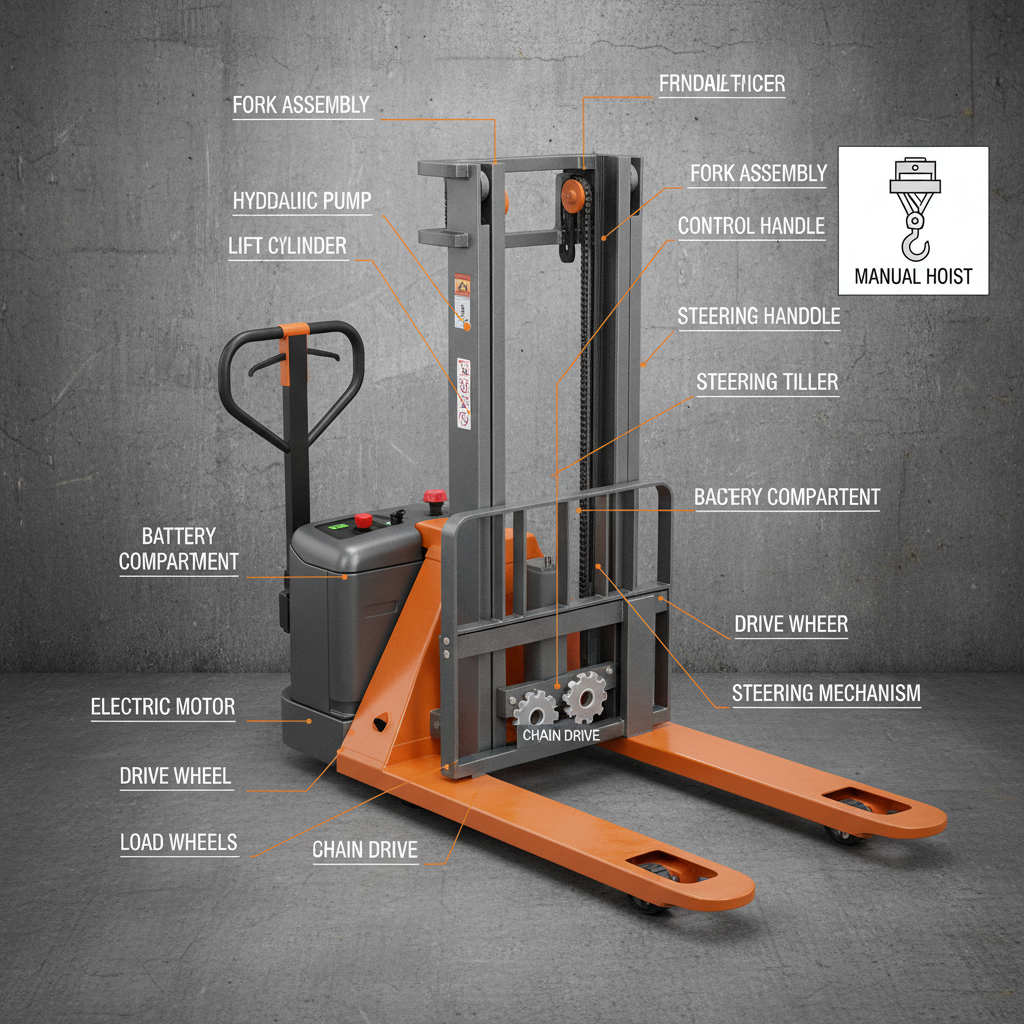


The world demands robust and versatile material handling solutions, and the all terrain pallet truck is rapidly becoming indispensable. From bustling warehouses to challenging outdoor environments, the need to efficiently and safely move goods is paramount. This isn’t merely about convenience; it's about streamlining supply chains, reducing operational costs, and enhancing productivity across diverse industries globally. Understanding the capabilities and applications of these specialized trucks is therefore crucial for businesses striving to remain competitive.
The increasing complexities of modern logistics, coupled with the rise of e-commerce and the demand for faster delivery times, have significantly elevated the importance of reliable and adaptable pallet truck technology. Traditional pallet trucks often struggle in uneven terrain, muddy conditions, or on construction sites. The all terrain pallet truck addresses this critical gap, offering a solution that ensures smooth and secure transport even in the most demanding scenarios. This addresses a key pain point for sectors reliant on outdoor operations and last-mile delivery.
Beyond commercial applications, all terrain pallet trucks are playing an increasingly vital role in humanitarian aid and disaster relief efforts. Their ability to navigate difficult terrain makes them ideal for delivering essential supplies to affected areas where conventional vehicles are unable to access. This dual functionality – commercial viability and humanitarian impact – underscores the growing significance of this technology on a global scale.
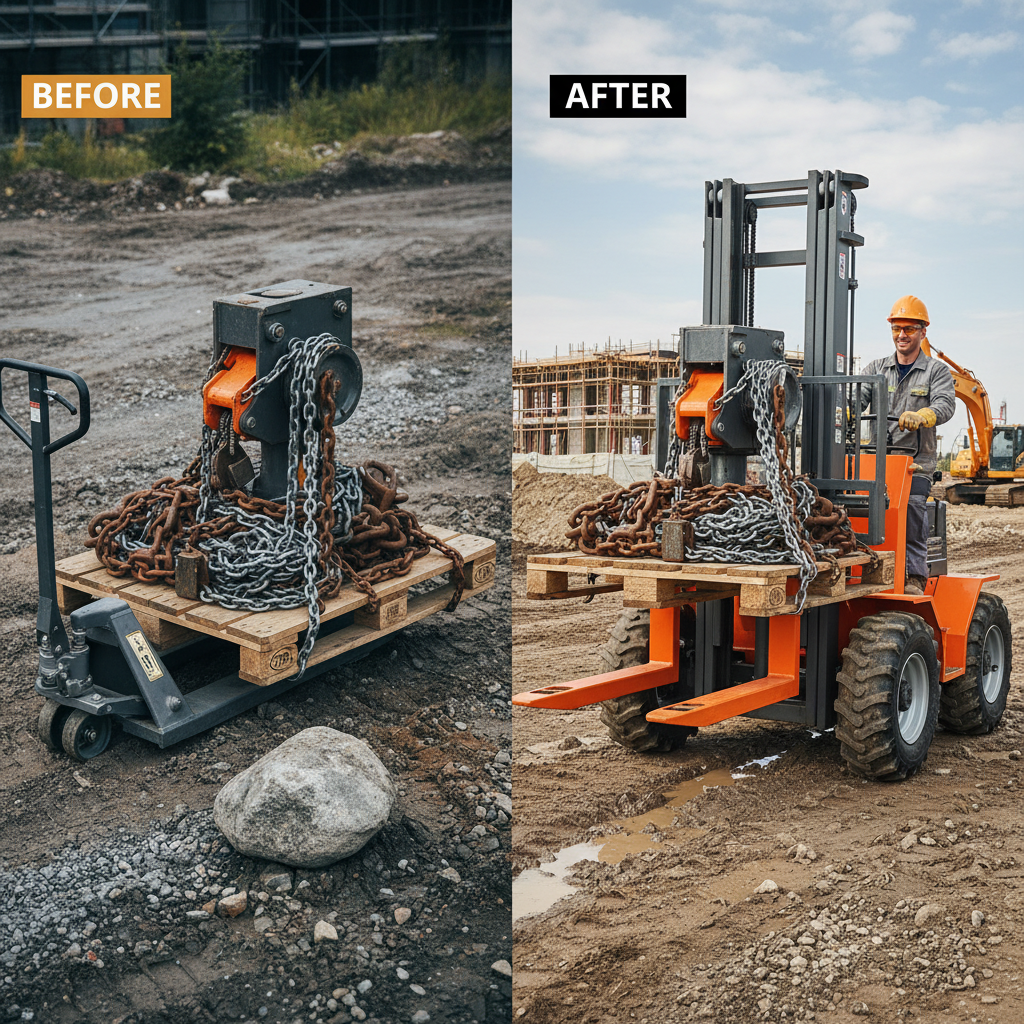
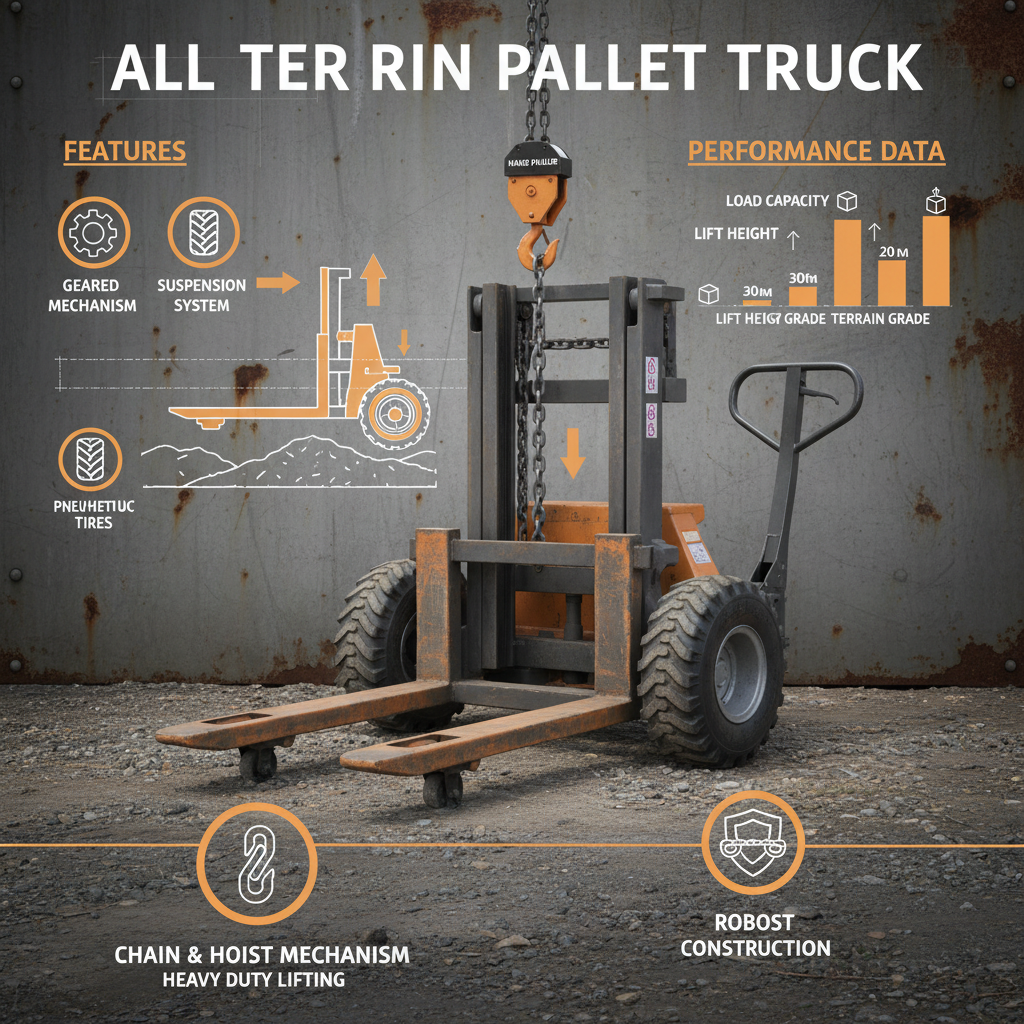
An all terrain pallet truck is a specialized material handling vehicle designed to transport palletized goods across surfaces beyond typical warehouse floors. Unlike standard pallet trucks, which are optimized for smooth, level concrete, these trucks feature robust construction, larger and more aggressive tires, and often higher ground clearance. This allows them to operate effectively on gravel, grass, dirt, uneven pavement, and even moderate inclines.
This capability makes them invaluable in industries where loading and unloading operations frequently occur outdoors, in construction zones, or in environments with challenging terrain. They bridge the gap between the loading dock and the final destination, eliminating the need for manual handling and reducing the risk of damage to goods. They are essentially a mobile extension of the warehouse, enabling seamless transitions between indoor and outdoor logistics.
The primary difference lies in their intended operating environments. Standard pallet trucks are designed for smooth, level surfaces like warehouse floors, while all terrain models feature larger, more aggressive tires, higher ground clearance, and a more robust construction to handle uneven terrain, gravel, grass, and other challenging conditions. This allows for greater versatility and operational efficiency in outdoor or rough environments.
The cost of an all terrain pallet truck varies significantly depending on its capacity, features, and power source. Generally, they are more expensive than standard pallet trucks, ranging from $5,000 to $20,000 or more for high-capacity or specialized models. Factors like battery type (for electric models), engine size (for gas/diesel), and additional options contribute to the overall price.
Regular maintenance is crucial for ensuring the longevity and reliable performance of an all terrain pallet truck. This includes checking tire pressure, lubricating moving parts, inspecting the hydraulic system, and replacing worn components. Electric models require battery maintenance, while gas/diesel models need oil changes and filter replacements. Following the manufacturer’s recommended maintenance schedule is essential.
All terrain pallet trucks are available in a wide range of load capacities, typically ranging from 2,200 lbs (1 ton) to 6,600 lbs (3 tons) or more. The appropriate load capacity depends on the specific application and the weight of the pallets being transported. It’s important to select a truck with a capacity that exceeds the maximum weight it will be handling to ensure safe and efficient operation.
While all terrain pallet trucks can be used indoors, it’s generally not recommended as a primary application. Their larger tires and robust construction can be less maneuverable in tight spaces and may damage indoor flooring. Electric models are more suitable for occasional indoor use, but standard pallet trucks are typically preferred for indoor environments due to their compact size and maneuverability.
Essential safety features include speed limiting, automatic braking systems, ergonomic handles, and a clear line of sight. Some models also offer features like flashing lights and audible alarms to enhance visibility and awareness. Proper operator training is also crucial for ensuring safe operation. Regularly inspecting safety features is vital to maintaining a secure working environment.
In summary, the all terrain pallet truck represents a significant advancement in material handling technology. Its ability to navigate challenging terrain, combined with its durability, versatility, and long-term value, makes it an indispensable asset for a wide range of industries. From streamlining logistics and reducing costs to enhancing safety and supporting humanitarian efforts, these trucks deliver tangible benefits that extend far beyond the loading dock.
Looking ahead, continued innovation in areas like autonomous navigation, sustainable power sources, and smart fleet management will further enhance the capabilities and value of all terrain pallet trucks. Investing in this technology is not just a matter of improving efficiency; it's about building a more resilient, sustainable, and adaptable supply chain for the future. Visit our website at www.qyjuli.com to learn more about our range of all terrain pallet truck solutions.



 Afrikaans
 Albanian
 Amharic
 Arabic
 Armenian
 Azerbaijani
 Basque
 Belarusian
 Bengali
 Bosnian
 Bulgarian
 Catalan
 Cebuano
 China
China
 China (Taiwan)
 Corsican
 Croatian
 Czech
Czech
 Danish
 Dutch
Dutch
 Esperanto
 Estonian
 Finnish
 French
 Frisian
 Galician
 Georgian
 German
 Greek
Greek
 Gujarati
 Haitian Creole
 Hausa
Hausa
 Hawaiian
 Hebrew
 Hindi
Hindi
 Miao
Miao
 Hungarian
 Icelandic
 Igbo
Igbo
 Indonesian
 Irish
Irish
 Italian
 Japanese
 Javanese
 Kannada
 Kazakh
 Khmer
Khmer
 Rwandese
 Korean
 Kurdish
 Kyrgyz
 Lao
Lao
 Latin
Latin
 Latvian
 Lithuanian
 Luxembourgish
 Macedonian
 Malgashi
 Malay
Malay
 Malayalam
 Maltese
 Maori
Maori
 Marathi
 Mongolian
 Myanmar
 Nepali
 Norwegian
 Norwegian
 Occitan
 Pashto
 Persian
 Polish
 Portuguese
 Punjabi
 Romanian
 Russian
 Samoan
 Scottish Gaelic
 Serbian
 Sesotho
 Shona
Shona
 Sindhi
 Sinhala
 Slovak
 Slovenian
 Somali
 Spanish
 Sundanese
 Swahili
 Swedish
 Tagalog
 Tajik
Tajik
 Tamil
Tamil
 Tatar
Tatar
 Telugu
 Thai
Thai
 Turkish
 Turkmen
 Ukrainian
 Urdu
Urdu
 Uighur
 Uzbek
Uzbek
 Vietnamese
 Welsh
Welsh
 Bantu
Bantu
 Yiddish
 Yoruba
 Zulu
Zulu
 English