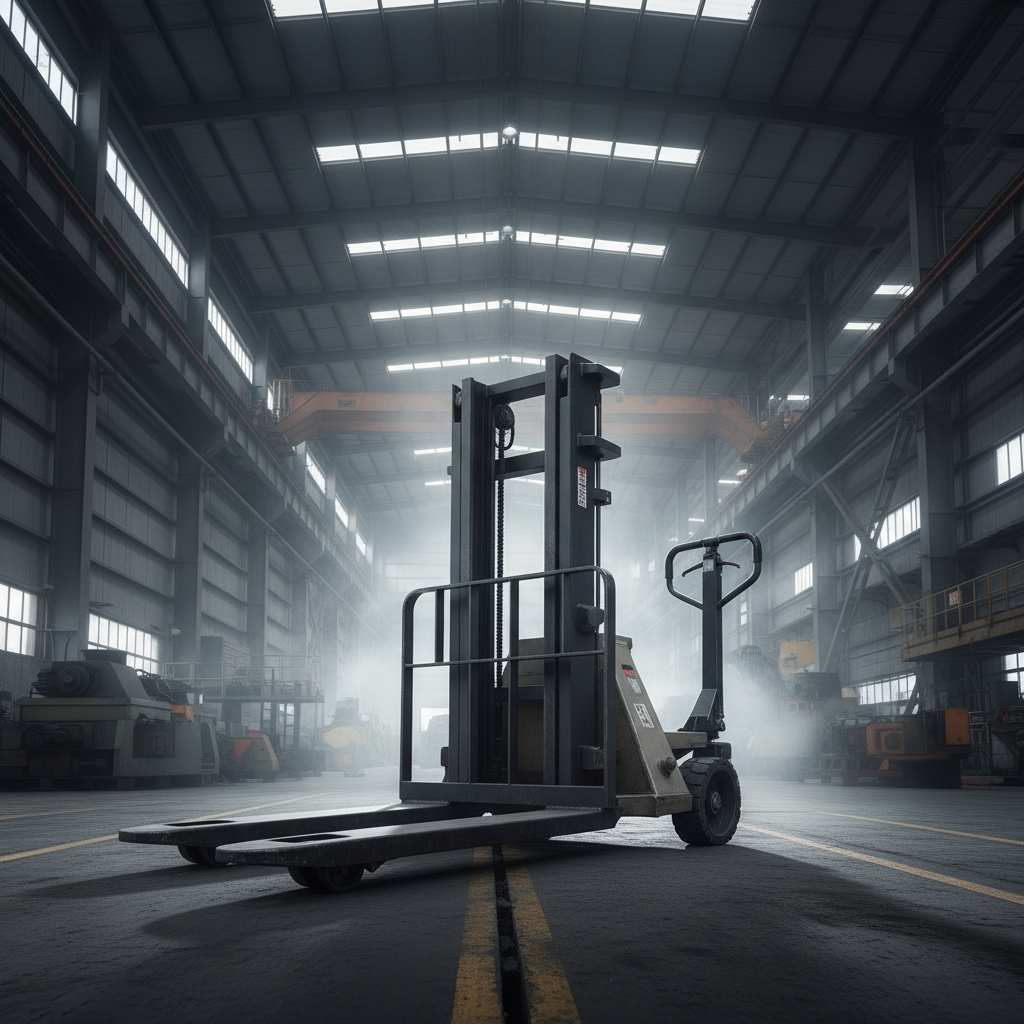


Honestly, the hand pallet truck market’s been buzzing lately. It’s not about fancy tech, you know? People aren’t asking for Bluetooth connectivity on their pallet jacks. It’s about… reliability. Simple as that. Everyone’s looking for something that just works, day in and day out. After years crawling around construction sites and factories, you start to notice what really matters. It’s not the glossiest finish, it's whether it can survive a dropped load and still get the job done. I've seen too many pretty pallet trucks crumble under pressure.
And that’s where things get tricky, because everyone thinks they know what they want, but… the details. Oh, the details! Have you noticed how many manufacturers skimp on the forks? They’ll use a cheaper steel, a thinner gauge… looks okay at first, but bends after six months. Then you're dealing with a warped load and a whole lot of cursing. Or the pump – a lot of them are designed for a lab environment, not a real warehouse floor.
Speaking of materials, we’ve been using a lot of high-strength alloy steel for the forks and frame. Not stainless, mind you – stainless is too soft for this kind of work. This stuff… it's got a slight oily smell, even when it's clean. Feels solid, a little rough to the touch, but you know it can take a beating. For the wheels, polyurethanes are pretty standard, but the durometer matters. Too hard, and they rattle your teeth on concrete. Too soft, and they wear down faster than you can replace them. It's a constant balancing act, I tell ya.
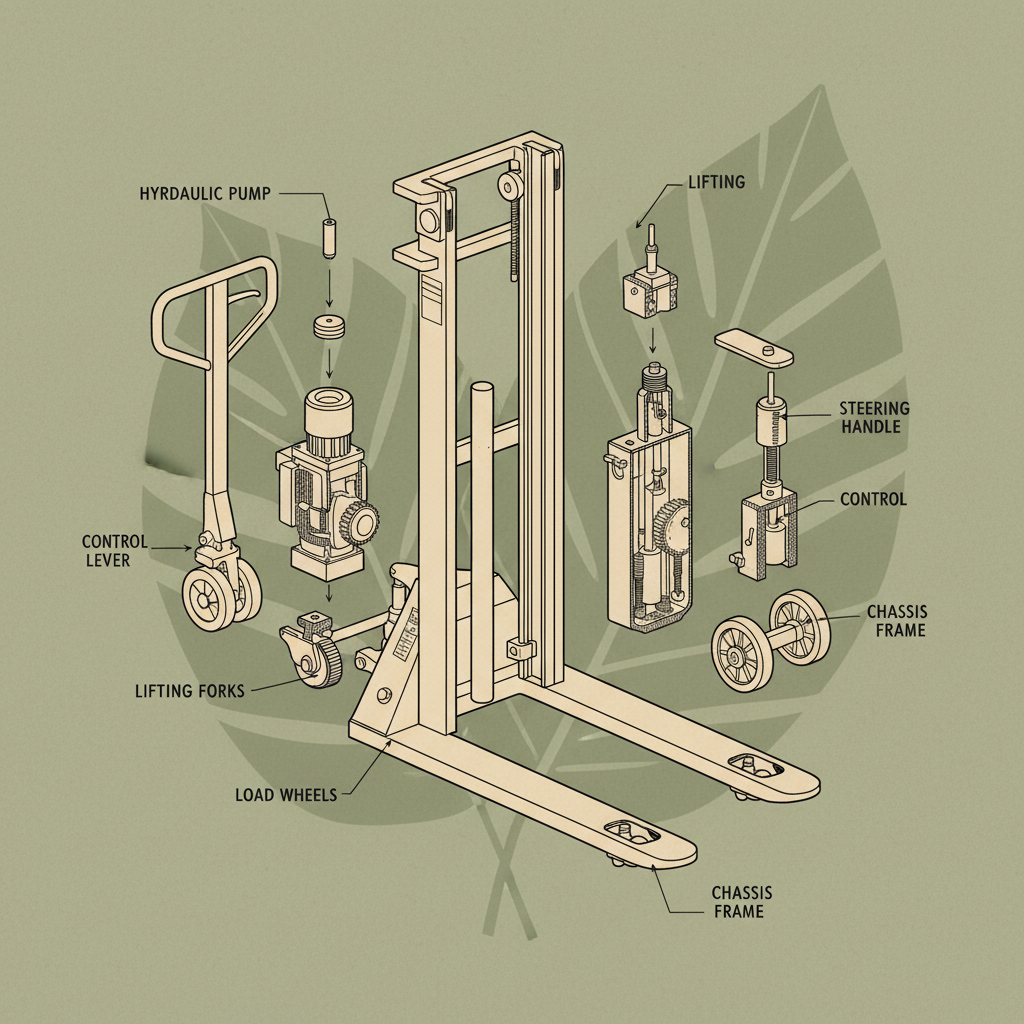
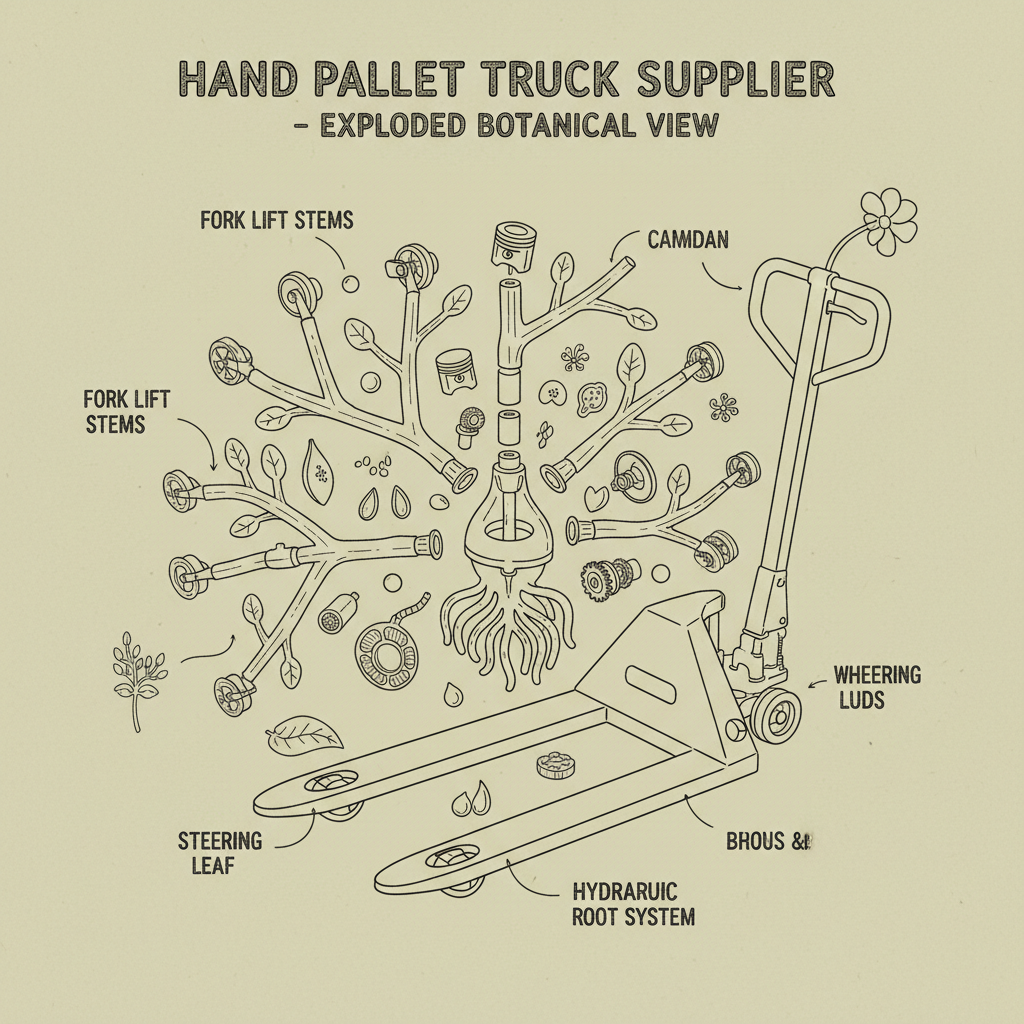
To be honest, everyone is chasing “ergonomics” these days. Fancy grips, adjustable handles… It looks good on paper, but out on the floor, guys just want something they can grab and go. I encountered this at a packaging factory last time; they had these ergonomic models, and the workers kept complaining the handles were too bulky for tight spaces. Strangely enough, they went back to the old, simple ones. It’s about function over form, almost always.
What’s trending now is a move towards shorter fork lengths. Less overhang, better maneuverability in narrow aisles. Makes sense, especially in warehouses that are getting more and more densely packed. But, and this is a big but, shorter forks mean you need to be more careful about load distribution. It’s a trade-off.
Our standard models typically handle up to 2.5 tons (5,500 lbs). But we also offer heavy-duty options that can manage up to 3.5 tons. It really depends on the application. We always recommend staying well within the capacity to ensure safety and longevity. A lot of people try to push it, and it never ends well. You'll bend the forks faster than you can say 'overloaded'.
Yes, but it depends on how rough the surface is. We offer models with larger, more durable wheels designed for uneven terrain. Polyurethane wheels are pretty good, but for really rough surfaces, you'll want to look at models with nylon wheels. Just be prepared for a bit of a bumpy ride. And don’t forget regular maintenance; dirt and debris can really wear things down.
Regular maintenance is key. Primarily, it’s about keeping the hydraulic fluid topped up and checking for leaks. Lubricate the moving parts – wheels, hinges, the pump – every few months. And keep them clean! Dirt and grime are a hydraulic system’s worst enemy. Don't over look the wheel bearings, they get a beating. You'd be surprised how often people neglect that.
Absolutely! We offer customized fork lengths and widths to accommodate specific pallet sizes and load requirements. Just let us know your needs, and we can usually accommodate them. We’ve even done some with specialized coatings for handling delicate materials. The Shenzhen guy with the port, he wanted a custom width, but for the wrong reasons.
It varies wildly depending on usage and maintenance. A well-maintained pallet truck in a light-duty application could easily last 5-10 years. In a harsh environment, with heavy loads and rough handling, it might be more like 3-5 years. The hydraulic system is usually the first thing to go, but replacement parts are readily available. I've seen some that are 20 years old and still going strong! It is all about the conditions.
Yes, we do. We offer a one-year warranty on all our standard models, covering defects in materials and workmanship. The warranty doesn't cover wear and tear, misuse, or neglect, of course. We also offer extended warranties on some models. Frankly, a good warranty is a sign that a manufacturer stands behind their product. And, to be honest, it’s easier to deal with a warranty claim than a disgruntled customer.
So, there you have it. Hand pallet trucks aren't glamorous, but they're essential. They're the workhorses of the material handling world, and they’re not going anywhere anytime soon. It's about finding the right balance between durability, reliability, and cost, and understanding that the details really matter.
Looking ahead, I think we'll see a continued focus on ergonomics and lightweight materials. But ultimately, whether this thing works or not, the worker will know the moment he tightens the screw. And that’s the truth. Now, if you'll excuse me, I need a coffee. And maybe a new pair of boots.



 Afrikaans
 Albanian
 Amharic
 Arabic
 Armenian
 Azerbaijani
 Basque
 Belarusian
 Bengali
 Bosnian
 Bulgarian
 Catalan
 Cebuano
 China
China
 China (Taiwan)
 Corsican
 Croatian
 Czech
Czech
 Danish
 Dutch
Dutch
 Esperanto
 Estonian
 Finnish
 French
 Frisian
 Galician
 Georgian
 German
 Greek
Greek
 Gujarati
 Haitian Creole
 Hausa
Hausa
 Hawaiian
 Hebrew
 Hindi
Hindi
 Miao
Miao
 Hungarian
 Icelandic
 Igbo
Igbo
 Indonesian
 Irish
Irish
 Italian
 Japanese
 Javanese
 Kannada
 Kazakh
 Khmer
Khmer
 Rwandese
 Korean
 Kurdish
 Kyrgyz
 Lao
Lao
 Latin
Latin
 Latvian
 Lithuanian
 Luxembourgish
 Macedonian
 Malgashi
 Malay
Malay
 Malayalam
 Maltese
 Maori
Maori
 Marathi
 Mongolian
 Myanmar
 Nepali
 Norwegian
 Norwegian
 Occitan
 Pashto
 Persian
 Polish
 Portuguese
 Punjabi
 Romanian
 Russian
 Samoan
 Scottish Gaelic
 Serbian
 Sesotho
 Shona
Shona
 Sindhi
 Sinhala
 Slovak
 Slovenian
 Somali
 Spanish
 Sundanese
 Swahili
 Swedish
 Tagalog
 Tajik
Tajik
 Tamil
Tamil
 Tatar
Tatar
 Telugu
 Thai
Thai
 Turkish
 Turkmen
 Ukrainian
 Urdu
Urdu
 Uighur
 Uzbek
Uzbek
 Vietnamese
 Welsh
Welsh
 Bantu
Bantu
 Yiddish
 Yoruba
 Zulu
Zulu
 English