Read More About Qingyuan County Juli Hoisting Machinery Co., Ltd.

Industrial lifting equipment Solutions for Tanzania's Infrastructure

Empowering Tanzanian industries with high-efficiency hoisting and material handling technology designed for rugged African environments.

Industrial lifting equipment Solutions for Tanzania's Infrastructure

From the bustling port of Dar es Salaam to the mining hubs of Lake Victoria, our comprehensive lifting solutions provide the safety and durability required for Tanzania's growing industrial landscape.

Current State of Material Handling in Tanzania

Analyzing the operational challenges and equipment demands in the East African corridor.

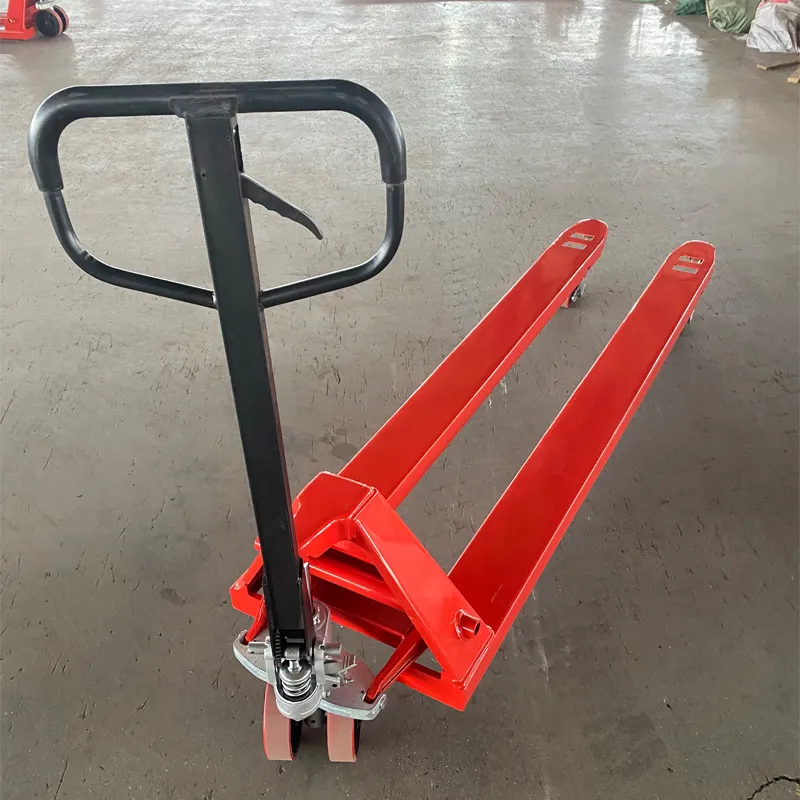
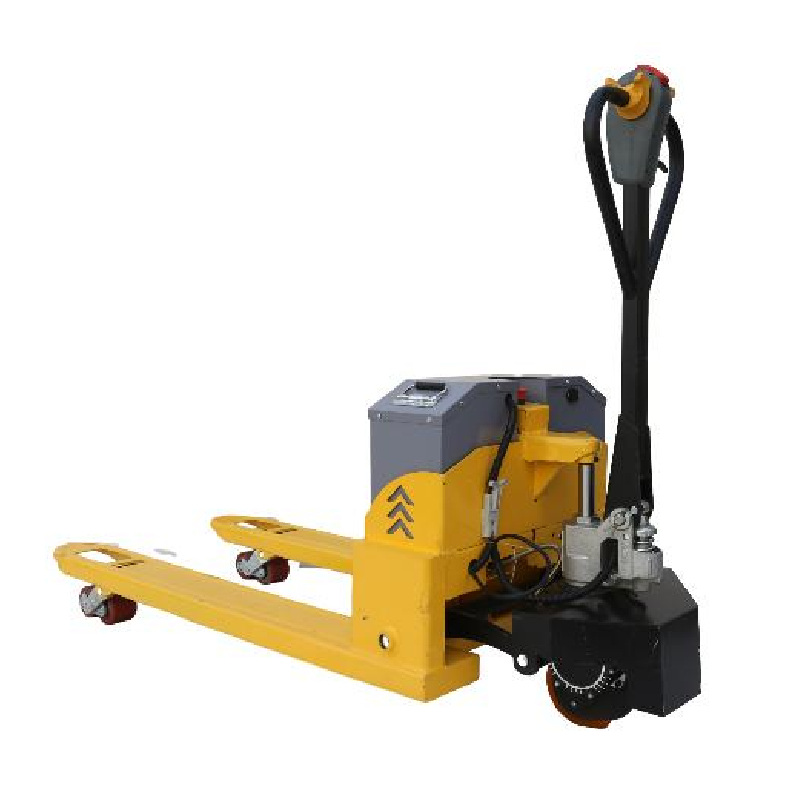
Tanzania's manufacturing and logistics sectors are currently undergoing a rapid transition. In coastal cities like Dar es Salaam, the demand for a reliable pallet truck has surged due to the increase in containerized cargo and warehouse expansion. However, high humidity and saline air near the coast often lead to premature corrosion of standard equipment.

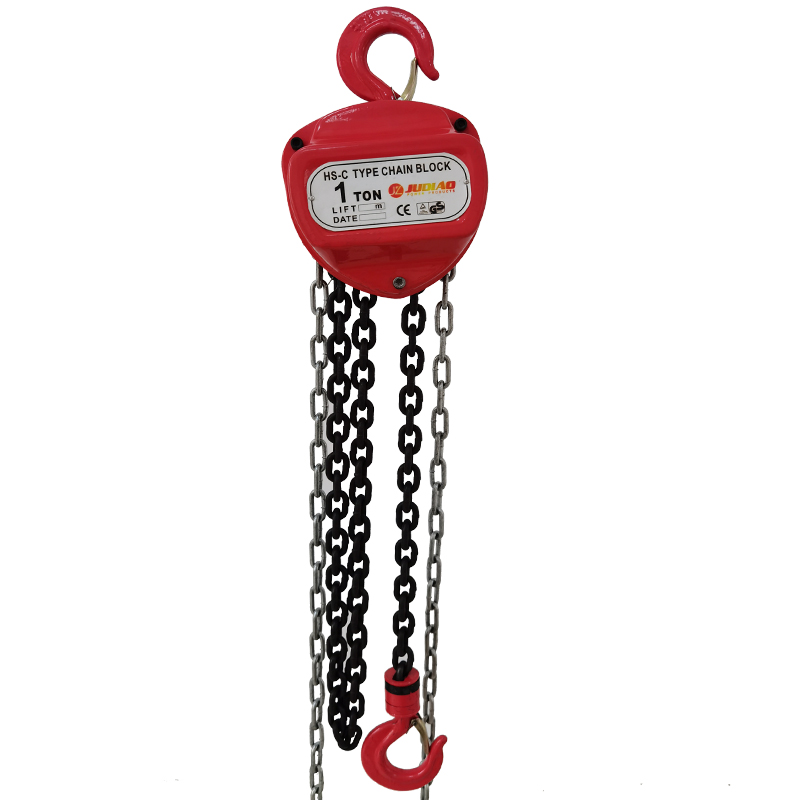
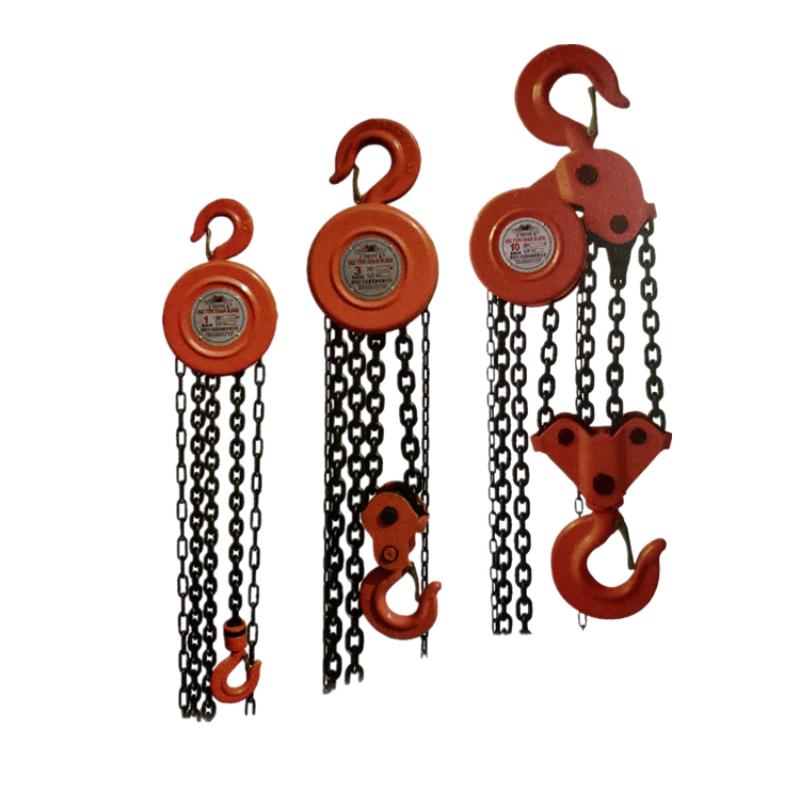
In the interior regions, particularly within the mining and agricultural processing plants, there is a critical reliance on robust mechanical tools. The use of a manual chain hoist remains prevalent because of its independence from the unstable power grids found in rural industrial zones, providing a fail-safe method for heavy lifting.

Despite the growth, many local enterprises still struggle with outdated machinery that lacks modern safety certifications. This creates a significant market gap for certified, high-durability hoisting technology that can withstand the tropical climate and heavy-duty cycles typical of Tanzanian industrial operations.
Evolution of Lifting Technology in Tanzania

From primitive pulleys to automated electrical hoisting systems.

Market Development History

Between 1990 and 2010, the Tanzanian market was dominated by basic manual tools. The chain block was the primary tool for construction and workshop maintenance, valued for its simplicity and lack of power requirements during the early stages of industrialization.

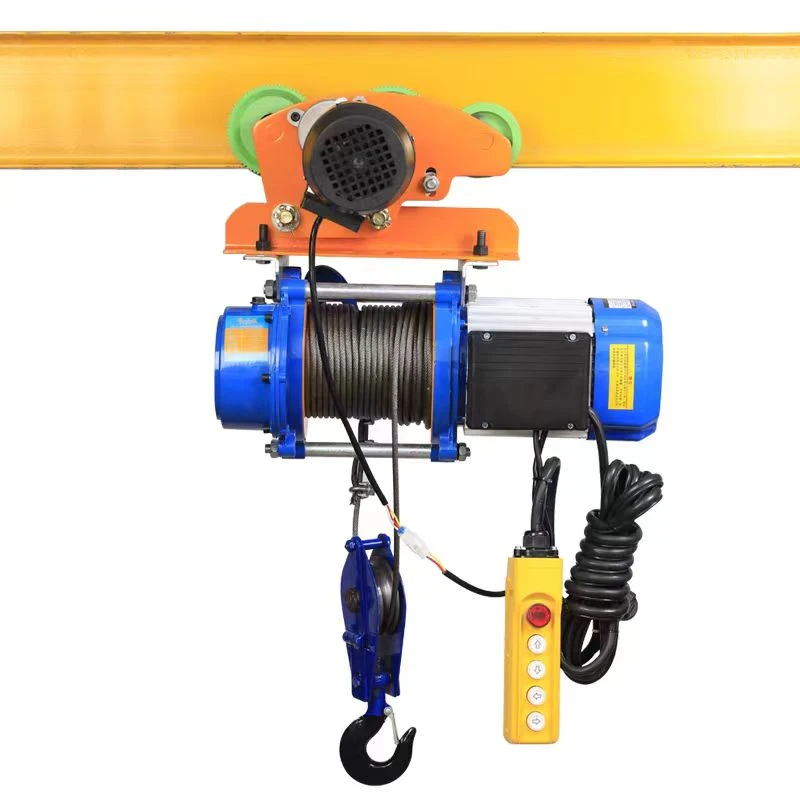
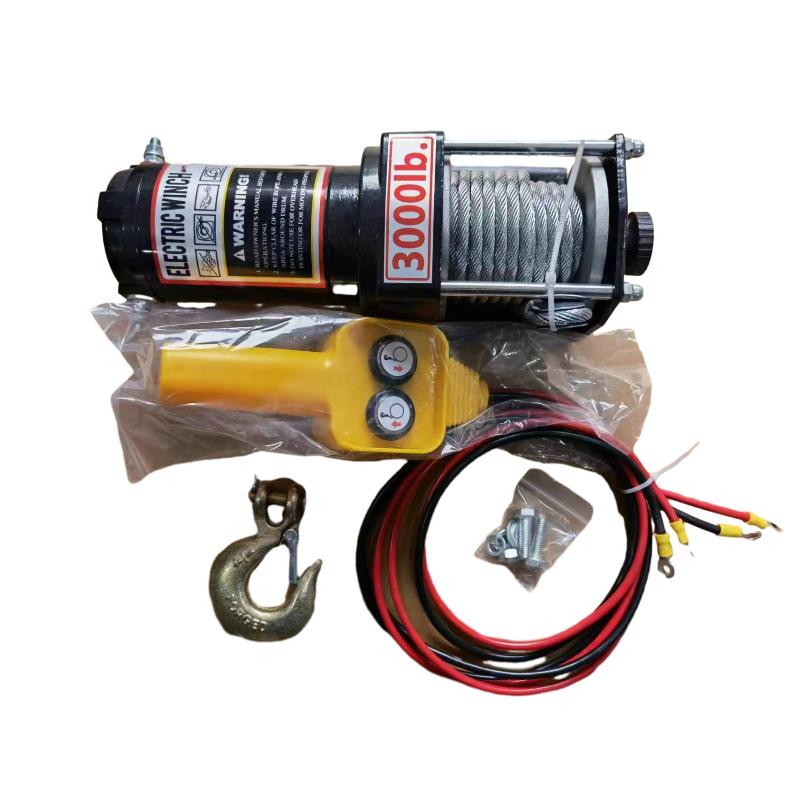
From 2011 to 2020, as foreign investment in infrastructure grew, we saw a shift toward semi-automation. The introduction of the mini electric hoist began to replace manual labor in small-scale workshops, significantly increasing the speed of assembly lines and reducing workplace injuries.

Since 2021, the focus has shifted toward "Smart Lifting." The integration of ergonomic designs and high-grade alloy steels has allowed equipment to survive the harsh Tanzanian environment while meeting international safety standards (ISO/CE), marking a transition to professionalized material handling.

Future Development Trends

Electrification of Last-Mile Handling

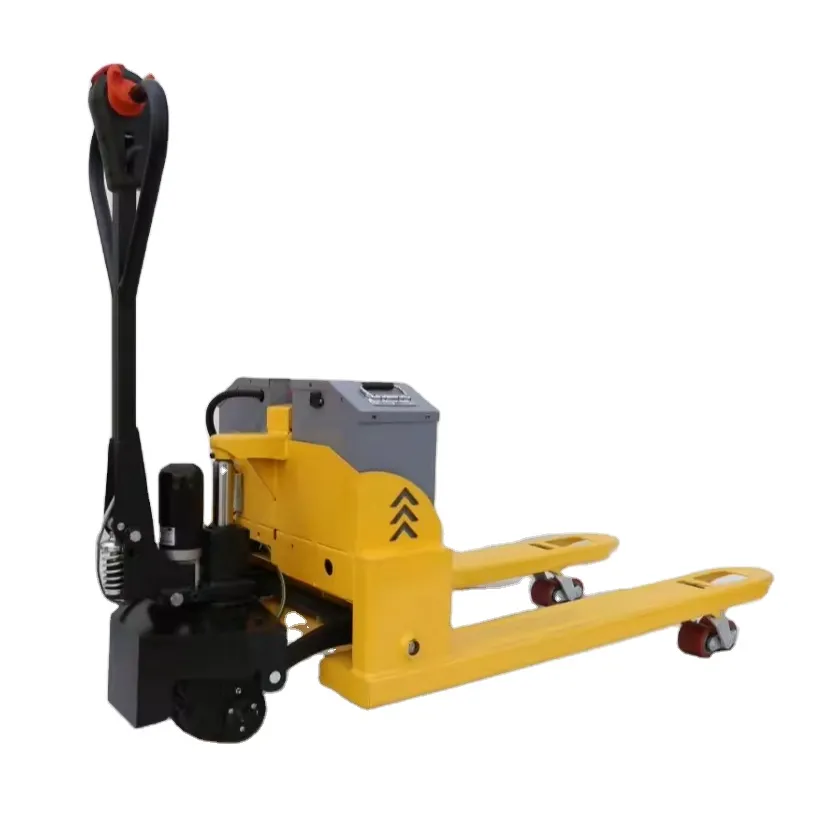
We predict a massive shift from manual to lithium-powered pallet movers to improve warehouse efficiency in logistics hubs.

IoT Integration in Hoists

The adoption of smart sensors for load monitoring and preventive maintenance to reduce downtime in critical mining operations.

Climate-Resistant Engineering

Development of specialized anti-corrosion coatings specifically designed for the high-humidity coastal zones of East Africa.

Industry Trends and Future Outlook

Strategizing for the next decade of Tanzanian industrial growth.

Energy-Efficient Hoisting
Transitioning to low-voltage systems to match Tanzania's energy infrastructure.
Modular Load Systems
Customizable lifting capacities for diverse cargo types from cashew nuts to gold ore.
Safety Standardization
Implementing strict OSHA-aligned safety mechanisms in all lifting equipment.
Localized Maintenance
Developing local technician networks for rapid repair of electric hoists.

Industry Outlook

Based on Google search trends in East Africa, there is a rising query volume for "industrial automation" and "safe lifting practices." This indicates that Tanzanian business owners are moving away from the cheapest possible options toward value-driven, durable investments.

The next 3-5 years will see a convergence of mechanical reliability and digital monitoring. We anticipate that companies adopting integrated lifting systems will see a 20% increase in operational throughput and a significant decrease in workplace liability.

Localized Application Scenarios in Tanzania

Real-world implementations of lifting technology across diverse Tanzanian sectors.

1. Dar es Salaam Port Logistics

Utilizing high-capacity pallet trucks to accelerate the movement of import/export goods from shipping containers to transit warehouses.

2. Arusha Coffee Processing Plants

Implementing mini electric hoists for the vertical movement of processed coffee beans into storage silos, replacing slow manual bagging.

3. Geita Gold Mine Maintenance

Deploying heavy-duty chain blocks for the installation and repair of underground crushing machinery where power is limited.

4. Mwanza Fishing Industry Hubs

Using manual chain hoists for lifting heavy engine components of fishing vessels during seasonal maintenance cycles.

5. Dodoma Government Construction Projects

Applying a full suite of lifting equipment for the rapid assembly of modular office structures in the new capital city.

Brand Story

Global Development Journey of Qingyuan County Juli Lifting Machinery Co., Ltd.

Foundational Engineering

Started with a focus on precision metallurgy to solve the common problem of hook failure in heavy lifting.

Quality Standardization

Achieved international certifications to ensure every hoist produced meets global safety and load-bearing benchmarks.

Global Market Expansion

Successfully entered the African market, adapting designs to withstand extreme tropical heat and humidity.

Technological Innovation

Introduced a new generation of electric hoists with enhanced energy efficiency and fail-safe braking systems.

Customer-Centric Mission

Dedicated to eliminating industrial accidents worldwide by providing affordable, indestructible lifting solutions.

Complete Lifting Portfolio for Tanzania

A comprehensive range of equipment tailored for the Tanzanian industrial environment.

Tanzania Lifting Equipment FAQ

Expert answers to common technical and operational questions from local partners.

How to prevent corrosion on a pallet truck in coastal Dar es Salaam?

We recommend using equipment with galvanized coatings and performing monthly lubrication on all moving joints to block salt-air penetration.

Which is better for rural Tanzanian workshops: mini electric hoist or manual chain hoist?

For areas with unstable electricity, a manual chain hoist is more reliable. However, for high-frequency tasks, a mini electric hoist with a voltage stabilizer is preferred.

What is the load capacity limit for a standard industrial chain block?

Our chain blocks range from 0.5 to 50 tons. Always verify the rated capacity plate before lifting to ensure operational safety.

Are your lifting equipment products compliant with international safety standards?

Yes, all our products are manufactured according to CE and ISO standards, ensuring they meet the safety requirements for Tanzanian industrial sites.

How often should I inspect my manual chain hoist for wear and tear?

We recommend a detailed visual inspection every 3 months and a professional load test once a year to prevent mechanical failure.

Can I customize the lift height for a mini electric hoist?

Yes, we offer customized chain lengths to fit your specific warehouse ceiling height or outdoor gantry requirements.

Get Expert Lifting Advice Today

Our engineers are ready to help you optimize your material handling efficiency in Tanzania.

Contact Us Now

If you are interested in our products, you can choose to leave your information here, and we will be in touch with you shortly.


top