Read More About Qingyuan County Juli Hoisting Machinery Co., Ltd.

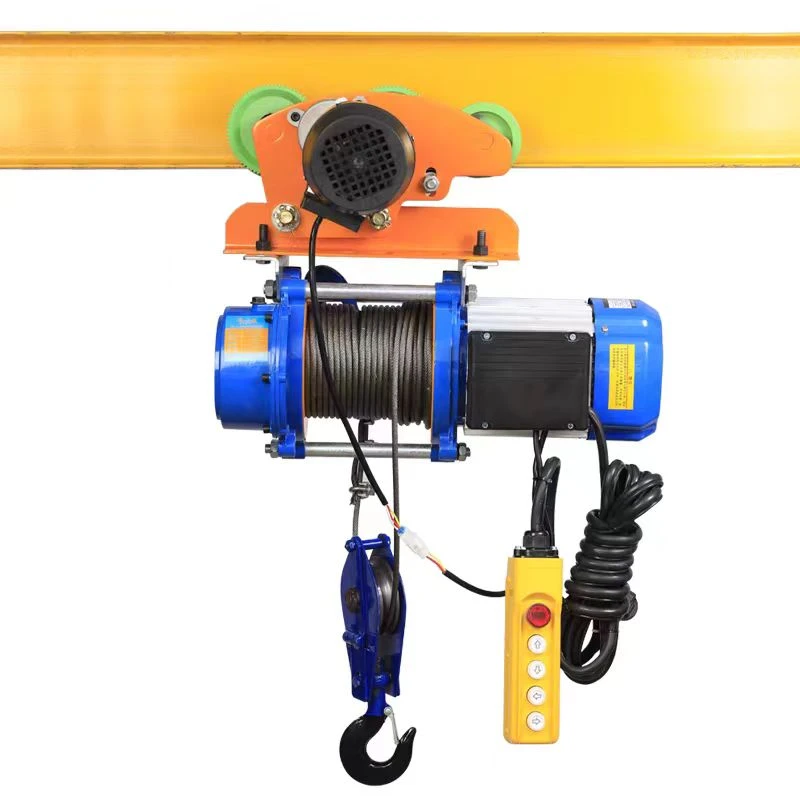
High-Performance mini electric hoist Solutions for Mali

Optimizing industrial material handling in West Africa with durable, precision-engineered lifting technology tailored for the Malian climate.

High-Performance mini electric hoist Solutions for Mali

From urban Bamako warehouses to remote mining sites, we provide a comprehensive range of lifting equipment designed to withstand extreme temperatures and heavy-duty industrial cycles.

The Current State of Material Handling in Mali

Analyzing the intersection of logistical challenges and equipment durability in the Sahel region.

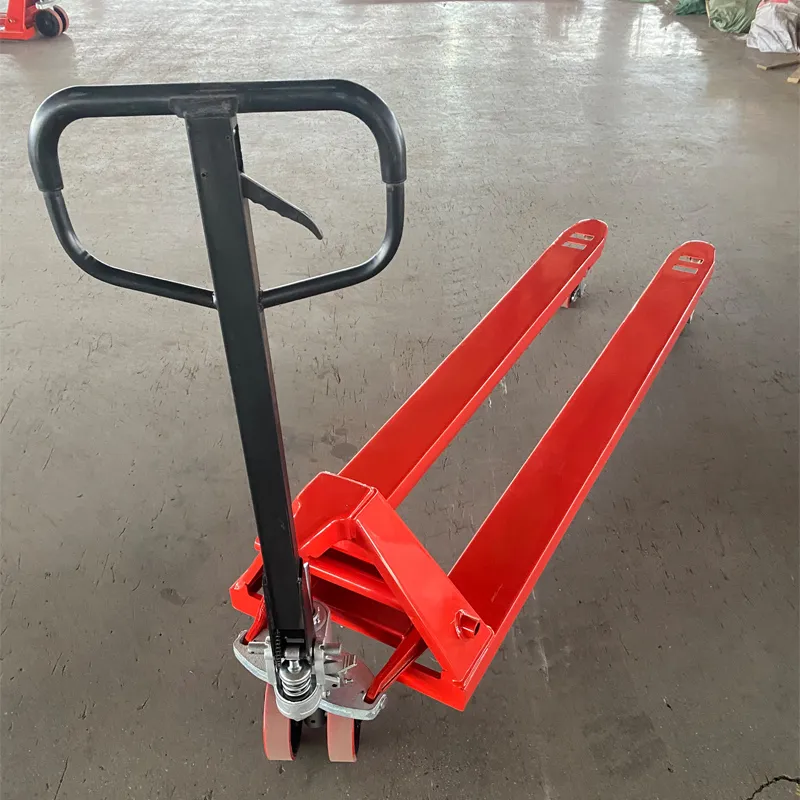
In Mali, the industrial landscape is characterized by a mix of growing urban trade hubs and extensive extractive industries. The high ambient temperatures and dust-heavy environments of the Sahel pose significant challenges to machinery. Many local businesses still rely on rudimentary tools, creating a surging demand for professional-grade pallet truck systems to streamline warehouse logistics.

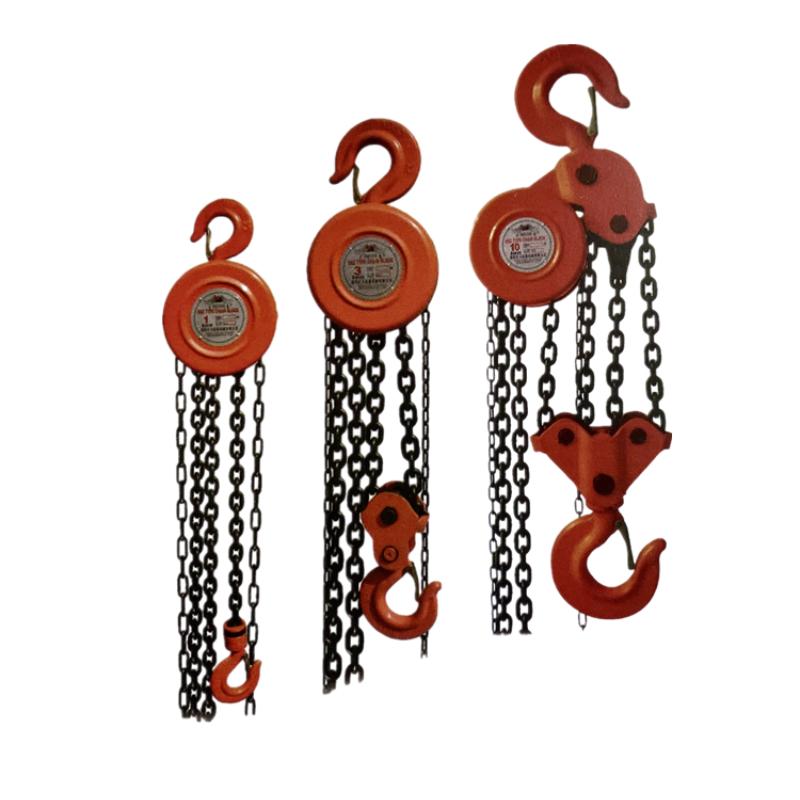
The logistics sector in Bamako and Gao is currently undergoing a transition. There is a visible shift from purely manual labor to mechanized assistance. However, the availability of high-quality chain block units that can resist corrosion and grit is limited, often leading to operational downtime in critical construction projects.

Furthermore, the energy infrastructure in various Malian regions necessitates equipment that is either energy-efficient or capable of manual operation. This has made the manual chain hoist a staple in rural workshops where electricity is intermittent but heavy lifting is non-negotiable.
Evolution and Technical Trajectory of Lifting Systems

Tracing the transition from manual exertion to automated precision in the Malian industrial sector.

Market Development History

During the early 2000s, the Malian market was dominated by basic manual pulleys and improvised lifting frames. The primary focus was on sheer capacity rather than safety or ergonomics, with very limited access to standardized industrial gear.

Between 2010 and 2020, there was a significant influx of standardized lifting equipment. The introduction of hydraulic systems and reinforced steel alloys allowed for safer handling of heavier loads in the mining and agricultural sectors.

From 2021 to the present, the focus has shifted toward "Smart Lifting." The integration of electric motors and ergonomic handles in equipment like the pallet truck has significantly reduced workplace injuries and increased throughput in Malian distribution centers.

Future Development Trends

Solar-Integrated Electric Lifting

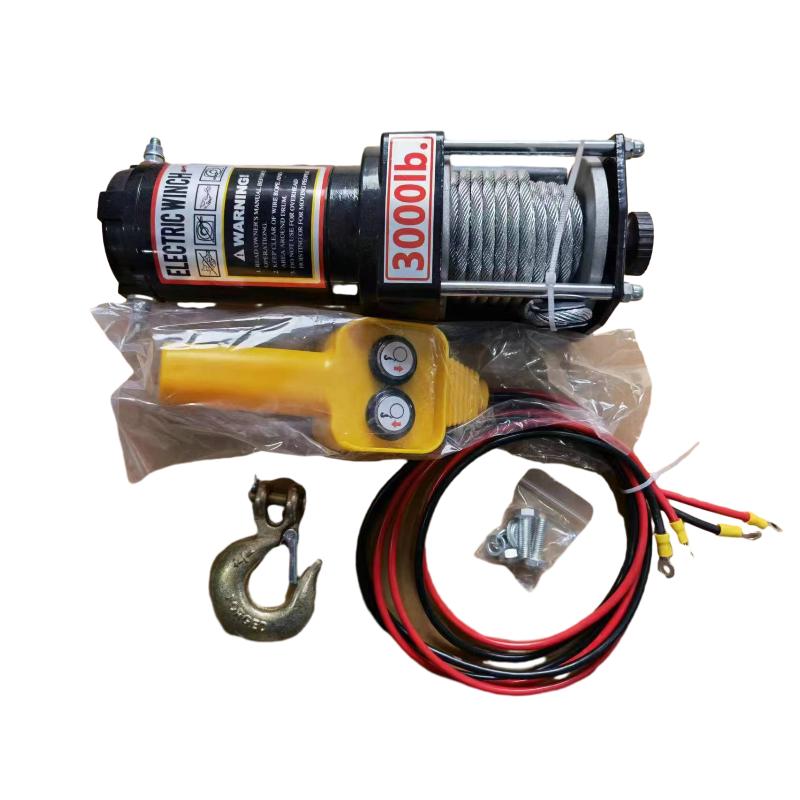
Given Mali's abundant solar resources, we predict a move toward charging stations for electric hoists powered by photovoltaic arrays to ensure 24/7 operational capability.

Modular and Portable Design

Future trends indicate a preference for modular lifting systems that can be easily transported between remote sites and urban centers without losing calibration.

IoT-Based Load Monitoring

Integration of sensors to monitor weight limits and wear-and-tear in real-time will become standard to prevent accidents in high-risk industrial environments.

Industry Trends and Strategic Outlook for Mali

Anticipating the next wave of technical innovation in material handling.

Climate-Resilient Engineering
Developing alloys and coatings specifically designed to resist the extreme heat and abrasive dust of the Malian desert.
Energy Efficiency Optimization
Reducing the power draw of electric lifting systems to accommodate limited local power grids.
Digital Maintenance Logs
Moving toward QR-code based maintenance tracking to ensure safety standards are met in remote sites.
Hybrid Power Systems
Integrating manual overrides into electric hoists to ensure functionality during power outages.

Industry Outlook

Based on current Google search trends for industrial equipment in West Africa, there is a significant uptick in queries for "energy-efficient lifting" and "heavy-duty warehouse tools." This indicates that Malian businesses are prioritizing long-term ROI over low initial cost.

Over the next 3-5 years, we expect the Malian market to standardize around international safety certifications (ISO), forcing a migration from improvised equipment to verified professional lifting solutions.

Localized Application Scenarios in Mali

Practical implementations of lifting technology across various Malian economic sectors.

1. Bamako Logistics Hubs

Utilizing high-capacity pallet truck units to manage the rapid movement of imported consumer goods from the port corridors to city warehouses.

2. Kayes Regional Mining Sites

Deploying heavy-duty chain block systems for the maintenance of ore processing machinery in high-dust gold mining environments.

3. Agricultural Processing Plants

Installing mini electric hoist units for the efficient lifting of cotton bales and grain sacks in regional processing centers.

4. Urban Construction Projects

Implementing versatile lifting equipment for the vertical transport of building materials in Bamako's expanding skyline.

5. Remote Artisan Workshops

Using the manual chain hoist for engine lifting and metal fabrication where electrical infrastructure is unavailable.

Brand Story

Global Development Journey of Qingyuan County Juli Lifting Machinery Co., Ltd.

Founding Vision

Established with a mission to bridge the gap between industrial power and operational safety, focusing on precision-engineered lifting components.

Technical Breakthroughs

Pioneered the use of reinforced heat-treated alloys, ensuring our equipment outperforms standard models in extreme temperatures.

Global Expansion

Expanded our footprint into the African market, tailoring our product line to meet the specific rugged needs of the Sahel region.

Quality Certification

Achieved international safety certifications, ensuring every unit delivered to Mali meets global industrial standards.

Future Commitment

Dedicated to innovating sustainable and energy-efficient lifting solutions for the developing industrial landscapes of West Africa.

Complete Lifting Portfolio for the Malian Market

A curated selection of heavy-duty equipment designed for efficiency and durability in Africa.

Common Questions for Lifting Equipment in Mali

Expert answers to technical and logistical queries from our Malian partners.

How does the heat in Mali affect the lifespan of a mini electric hoist?

Extreme heat can degrade lubricants and stress motors. Our hoists use high-temperature synthetic lubricants and reinforced insulation to ensure stable performance in 40°C+ environments.

Which pallet truck is best for uneven warehouse floors in Bamako?

For uneven surfaces, we recommend our reinforced polyurethane wheel models, which provide better shock absorption and durability compared to standard nylon wheels.

Is a manual chain hoist more reliable than electric versions in remote areas?

Yes, for sites without stable electricity, the manual version is superior as it requires no power source and is easier to maintain in the field.

What maintenance is required for a chain block in dusty environments?

Regular cleaning of the chain and re-application of industrial-grade lubricant every 3 months is recommended to prevent grit from causing premature wear.

Can your lifting equipment be customized for specific mining loads?

Absolutely. We provide custom load capacities and reinforced hook designs specifically for the extractive industry's unique requirements.

What are the shipping lead times for industrial hoists to Mali?

Depending on the order volume and shipping method, we typically deliver to Malian ports within 30-45 days, followed by local transit to your facility.

Request a Technical Consultation

Looking to upgrade your material handling efficiency in Mali? Our engineers are ready to design a custom lifting solution for your business.

Contact Us Now

If you are interested in our products, you can choose to leave your information here, and we will be in touch with you shortly.


top