

Professional Hand Pallet Jack Factory and Lifting Equipment Guide
Efficient material handling is the backbone of modern warehouse operations, where the ability to move heavy loads safely and precisely determines operational throughput. For businesses sourcing lifting solutions, finding a reliable hand pallet jack factory involves evaluating not just the hardware, but the engineering standards and quality control systems behind the production. A high-performance pallet truck must balance structural rigidity with ease of maneuverability to reduce operator fatigue and minimize workplace accidents.
The integration of advanced materials and precise manufacturing processes allows for the creation of equipment that withstands rigorous daily use. From the selection of high-grade steel to the implementation of specialized hydraulic seals, every detail affects the long-term ROI of the equipment. This guide explores the technical benchmarks of professional lifting tools and how specific design choices—such as reinforced frames and ergonomic handles—enhance the efficiency of logistics and manufacturing environments.

Evaluating Engineering Standards in Material Handling Equipment Production
The durability of hoisting and conveying equipment is primarily rooted in the quality of the raw materials and the precision of the fabrication process. Professional manufacturers utilize high-accurate large machine tools and high-speed automated production lines to ensure that every unit meets strict international tolerances. For equipment like pallet trucks and electric hoists, the structural integrity of the chassis and the precision of the load-bearing components are critical to prevent deformation under maximum rated capacity.
Quality assurance in this sector relies on comprehensive certification frameworks. Adherence to ISO9001, CE, and GS standards ensures that the products are not only functional but safe for use in diverse global markets. A robust quality supervision system involves professional inspection equipment at multiple stages of production, from the initial casting of components to the final load-testing of the assembled unit. This systematic approach minimizes the risk of mechanical failure and ensures consistent performance across large batches.
Furthermore, the adoption of advanced manufacturing techniques, including those imported from established industrial hubs like Japan, allows for the optimization of weight-to-strength ratios. By refining the welding process and utilizing reinforced steel alloys, manufacturers can produce equipment that is lighter for the operator to handle yet capable of supporting significant industrial loads without compromising safety.

Technical Innovations in Electric Hoisting and Lifting Systems
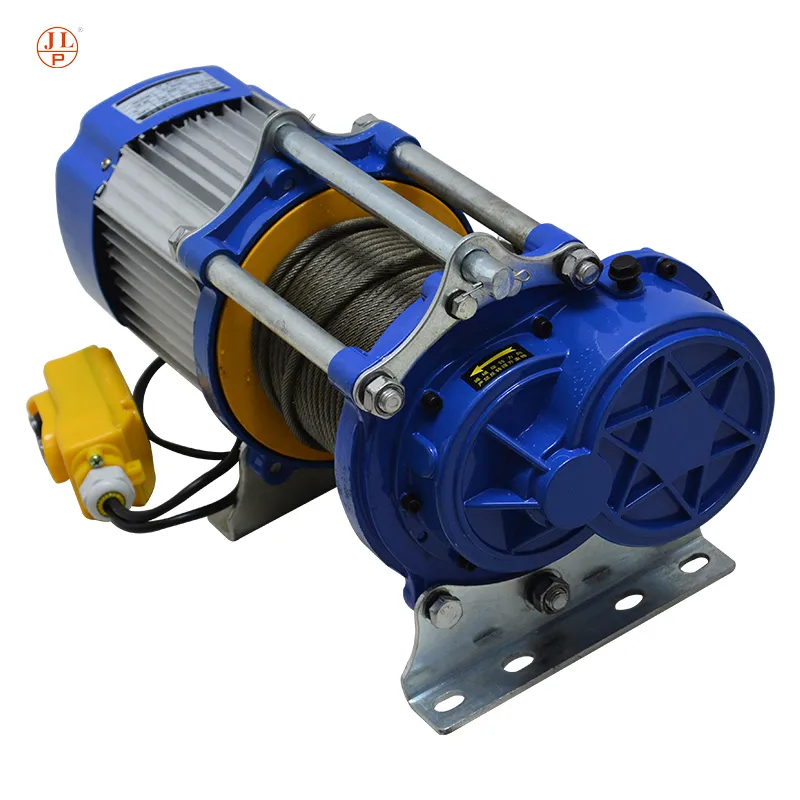
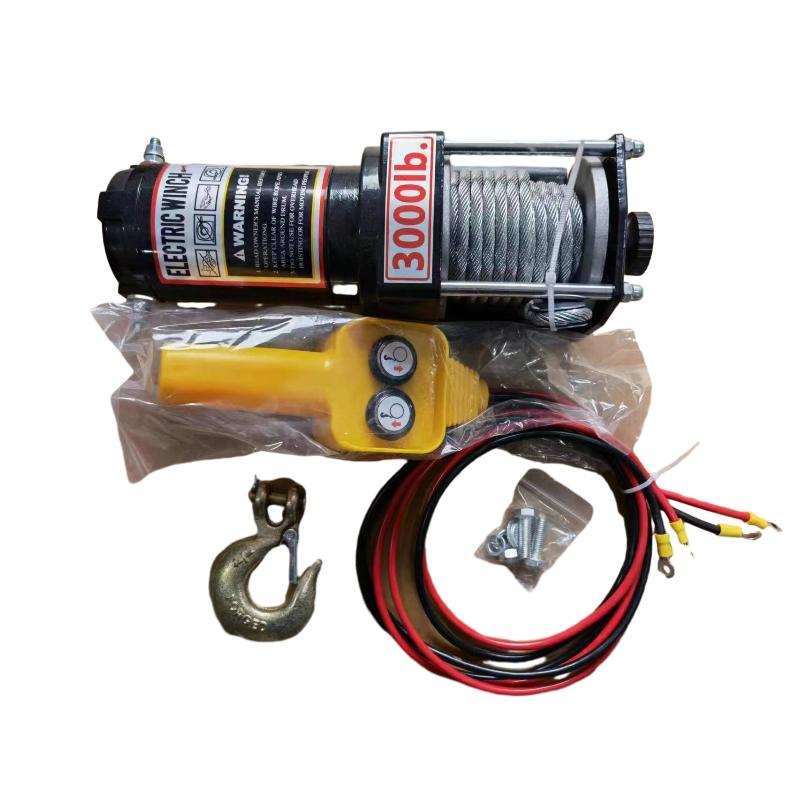
Modern lifting systems, such as mini electric hoists, have evolved to offer greater versatility through customizable specifications. A key technical advantage is the implementation of pure copper wire motors, which significantly reduce heat generation during continuous operation. This prevents motor burnout and extends the service life of the equipment, making it ideal for environments with frequent lifting cycles. Combined with silicon steel extended rotors, these motors achieve higher energy efficiency and smoother lifting speeds.
Safety is integrated into the mechanical design through automatic anti-collision limit devices. These systems automatically halt operation when the limit baffle is triggered, eliminating accidents caused by operator oversight. Additionally, the use of thick galvanized steel wire ropes, spun with a close-winding method, provides essential resistance against rotation and breakage, ensuring the load remains stable during ascent and descent.
Versatility is further enhanced by multifunctional hook designs. By offering both single-rope and double-rope configurations, users can choose between faster lifting speeds (single-rope) or increased loading capacity (double-rope). This adaptability allows a single piece of equipment to serve multiple roles within a facility, from light-duty maintenance to heavy-duty assembly tasks.
Application Scenarios and Load Matching for Industrial Facilities
Selecting the correct lifting tool requires a deep understanding of the specific operational environment. In narrow-aisle warehouses, the priority is maneuverability and a compact turning radius, making high-quality hand pallet trucks indispensable. These tools must be matched to the pallet size and floor type to ensure smooth gliding and efficient load distribution, preventing damage to both the cargo and the facility flooring.
In contrast, workshop environments often require vertical lifting capabilities. Mini electric hoists are frequently deployed in automotive repair shops, small-scale assembly lines, and construction sites. In these scenarios, the waterproof handles and plugs are vital, as they allow the equipment to be used safely in both indoor and semi-outdoor conditions where moisture may be present. The ability to customize wire rope length—standardized at 12 meters but extendable—ensures that the hoist can reach the required height for specific architectural layouts.
For procurement managers, the decision-making process should focus on the Duty Cycle and Rated Capacity. Overloading equipment not only voids warranties but poses significant safety risks. Therefore, implementing a clear load-matching protocol—where the equipment capacity is at least 20% higher than the heaviest typical load—is a recommended industry best practice to ensure long-term reliability.
Technical Specification Comparison for Mini Electric Hoists
| Model Series | Max Capacity (Double Hook) | Motor Power (W) | Lifting Speed (Single) |
|---|---|---|---|
| PA200 - PA400 | 400kg | 510W - 980W | 10 m/min |
| PA500 - PA600 | 600kg | 1020W - 1200W | 10 m/min |
| PA800 - PA1000 | 1000kg | 1300W - 1600W | 10 m/min |
| PA1200 | 1200kg | 1800W | 8 m/min |
| Custom Series | Application-Specific | Customized | Customized |
Strategic Procurement and Supplier Evaluation Criteria
When auditing a potential supplier, procurement professionals should look beyond the unit price and examine the manufacturer's R&D capabilities. A supplier that regularly introduces new products and optimizes existing designs indicates a commitment to innovation and market responsiveness. For instance, the transition from traditional motors to silicon steel rotors demonstrates a technical evolution aimed at improving user efficiency.
Another critical factor is the level of customization available. In B2B procurement, "one size fits all" rarely applies. The ability to customize wire rope lengths, motor power, and lifting heights allows a business to optimize its workflow. A professional partner will provide detailed technical consultations to help the buyer select the exact model that matches their load requirements and environmental constraints.
Finally, post-purchase support and certification validity are non-negotiable. Verify that the CE and RoHS certifications are current and that the manufacturer has a proven track record of exporting to diverse regions (such as Europe, South America, and Southeast Asia). This global footprint is often a proxy for the product's ability to meet varying international safety and quality standards, reducing the risk of regulatory non-compliance in the buyer's local market.
Future Trends in Material Handling and Lifting Automation
The lifting equipment industry is moving toward greater integration of electrification and smart sensing. We are seeing a shift where traditional manual tools are being augmented with electric assistance to reduce physical strain on workers. This trend not only improves safety but also increases the speed of internal logistics, allowing for faster turnover in high-volume distribution centers.
Sustainability is also becoming a primary driver in product development. The use of more efficient motors and recyclable materials in the chassis construction helps companies meet their green initiative goals. Furthermore, the development of more precise limit devices and electronic overload protection is reducing the frequency of equipment failure and the associated downtime.
For businesses planning their equipment upgrades for the next five years, the focus should be on modularity. Investing in systems that can be easily maintained or upgraded—such as hoists with replaceable wear parts and modular hooks—will lower the total cost of ownership. As global supply chains become more complex, the demand for reliable, standardized, and certified lifting tools will only continue to grow.
Common Technical Inquiries Regarding Lifting Equipment
What is the primary difference between single-rope and double-rope lifting?
Single-rope configuration offers a faster lifting speed, which is ideal for lighter loads and time-sensitive tasks. Double-rope configuration doubles the loading capacity by distributing the weight across two lines, though it reduces the lifting speed and the maximum lifting height.
How does a pure copper wire motor benefit the hoist's lifespan?
Pure copper has superior electrical conductivity compared to aluminum or alloy alternatives, which results in lower heat generation. This prevents the insulation from degrading and protects the motor coils from burning out during periods of high-frequency use.
Are these electric hoists suitable for outdoor use?
Yes, provided they are used within their design limits. Our mini electric hoists feature waterproof handles and plugs, making them safe for use in damp environments or outdoor areas, although we recommend avoiding total immersion or extreme weather exposure.
What safety features prevent accidents during lifting?
The most critical feature is the automatic anti-collision limit device, which stops the motor instantly when the hoist reaches its upper limit. Additionally, the use of galvanized, anti-rotation steel wire ropes prevents sudden breakage or load twisting.
Can the lifting height and wire rope length be customized?
Yes, while the standard length is typically 12 meters, we offer customization services to extend or shorten the wire rope to meet the specific height requirements of your facility or project.
What certifications should I verify when sourcing from a manufacturer?
You should ensure the manufacturer holds ISO9001 for quality management, and that the specific products have CE and GS certifications, which confirm compliance with European safety, health, and environmental protection standards.
Industry Technical References
- ISO International Standards for Quality Management
- EU CE Marking Guidelines for Machinery
- OSHA Guidelines for Overhead and Hoisting Equipment
- NIST Technical Standards for Industrial Materials
Selecting the right material handling partner is a strategic decision that impacts both safety and productivity. By focusing on certified engineering and customized technical specifications, businesses can ensure their lifting operations remain efficient and secure.
Related Equipment Solutions